
Discover The Stories StoryTerrace Help Share.
Explore inspiring stories, expert tips, and the latest trends in personal biography creation on our blog.
.webp)
.webp)
The Magic of Sharing Stories This Season
The most meaningful gifts don’t come wrapped; they come remembered.
.webp)
Immigrant Experience-Based Bestseller: A Taiwanese Immigrant’s Journey to Kansas City by Benny “Goodman” Lee
We are proud to celebrate another StoryTerrace bestseller! From a childhood in Taiwan to a thriving life in the heart of America, Benny Lee’s story is a remarkable testament to resilience, entrepreneurship, and the power of giving back.
.webp)
Inside the StoryTerrace Interviews
At StoryTerrace, every book begins with a conversation. Interviews are at the heart of what we do. To give you a peek behind the curtain, we sat down with Stefanie Fox, one of our Premium Writers. Stefanie shared her perspective on what makes an interview not just informative, but transformative.
%20(27).webp)
Is This the Most Meaningful Gift of the Season?
As the holiday season approaches, the quest to find the perfect gift for loved ones without a wish list is just around the corner. But don't worry, we are here to lend a hand with some ideas that are meaningful, memorable, and delightfully unique!
%20(25).webp)
StoryTerrace Spotlight: White Coat, Blue Gown by the late Dr. Barbara Tatham
We’re proud to feature White Coat, Blue Gown by the late Dr. Barbara Tatham, Family and Emergency Room Physician at London Health Centre, Toronto as our September Book of the Month.
Browse all articles

Reunited after 46 years
In her book 'Beauty for Ashes', Pat Wilson chronicles her remarkable quest to find her son. Christmas 1970 - Sean's dad picked him up to go and see Santa Claus. He didn't bring him back. Pat didn't see Sean again for forty six years.
Pat's Remarkable Journey
Pat was born and raised near Seattle. She married young and had a baby boy named Sean. Unfortunately, she found herself in an unhappy marriage and left just before Sean was a year old. That must have been tough—but it wasn't until December 1970 that Pat faced the challenge that would define the rest of her life.
In the days leading up to Christmas, Sean's dad picked him up to go and see Santa Claus. He didn't bring him back.
When they realized Sean was missing, Pat's family did everything they could to get him back. They hired private detectives and searched tirelessly, but they couldn't find him.
"You never get over something like that," Pat says. "You never forget... It was always in the back of my mind."
Pat didn't see Sean again until one fateful day forty-six years later, when she received an unusual message on Facebook.
Watch Pat's video to discover what happened next.
Pat's tale is truly remarkable—it gets right to the heart of why we started Story Terrace. But as Pat says herself, "everybody has an interesting story to tell." We truly believe that.
If you would like to learn more about what we can do for you and your family, subscribe to our newsletter or talk to a member of our team.

How to Write a Book About Your Life: A Guide That Works
Seven honest steps from a team that's helped thousands of people write their life stories. What works, where people stall, and when to get help.
To write a book about your life you need three things: raw material (memories, photos, old journals), a structure to hang it all on, and a writing routine that gets words down before self-doubt turns up. That's the whole recipe. The rest of this guide is about doing those three things in the right order, because most people who stall don't fail at writing. They fail at starting.
We've spent over a decade at StoryTerrace helping people turn their lives into books, some written by them, most written with a ghostwriter. The steps below are the ones that survive contact with real projects.
In short: gather your material first, decide what the book is really about before you outline, write a messy first draft without editing as you go, then rewrite. Feedback comes near the end, not the start. And if the writing itself is the obstacle, you can hire someone to do that part while the story stays yours.
Why write a book about your life?
Because nobody else can. That sounds like a greeting card, but it's also a practical fact: the details of your life exist in exactly one place, and memory is not a stable archive. Every family has a story that died with someone because nobody wrote it down.
There's also what the writing does to the writer. The novelist Jenni Fagan said of her memoir Ootlin, "this book kept me alive." Not every project carries that weight, but almost everyone we've worked with says some version of the same thing: seeing your life laid out in order changes how you understand it.
And no, you don't need to be famous. Readers took to memoirs by teachers, nurses and shopkeepers precisely because they're not celebrity stories. Ordinary lives, told honestly, are the genre.
Step 1: gather your raw material
Start collecting before you start writing. Photo albums are the best memory trigger we know. Old letters, diaries, school reports, even receipts do the same job. Pamela Anderson said rereading her old journals for her memoir was painful, and that pain is usually a sign you've found the real material.
Talk to people too. Your siblings remember a different childhood than you do. That's not a problem to resolve, it's texture. Interview them the way a journalist would: ask what they remember, then shut up and listen.
One warning from experience: gathering can become a way of not writing. Give it two or three weeks, then stop.
Step 2: decide what the book is actually about
"My whole life" is not a book. It's a filing cabinet.
The books that work are about something: surviving a particular decade, building a business from a market stall, the thread of stubbornness that runs from your grandmother to your daughter. When we start a project, our writers spend the first interview hunting for this thread, because it decides what goes in and, more painfully, what stays out.
A useful test. Finish this sentence in one line: "This is a book about ___." If you need three sentences, you have three books. Pick one.
Step 3: build a loose structure
Chronological order works, and there's no shame in it. Born, grew, struggled, changed, arrived. Readers like time.
But you don't have to start at birth. Some of the best openings drop the reader into the moment everything changed, then circle back. Nelson Mandela opens Long Walk to Freedom with the meaning of his name, which tells you about his family, his village and his fate in a single page.
Keep the outline loose. A list of 20 to 30 scenes on index cards (or a spreadsheet, if that's your temperament) is enough. You will rearrange them later, and that's fine. The outline is scaffolding, not architecture.
Step 4: write the messy first draft
Here's the step where most books die, so let's be blunt about how to survive it.
Write badly on purpose. The first draft's only job is to exist. Fix nothing as you go. If you can't remember a name, type NAME and move on. Momentum beats polish at this stage, every time.
Write in scenes, not summaries. "My father was a difficult man" is a summary. Your father silently returning a gift to the shop, still in its wrapping, is a scene. Scenes are what readers remember. Put yourself back in the room: what could you smell, who said what, what were you wearing. Dialogue helps, and it should sound the way people in your family actually talk, accents and all.
Include the failures. A book with no shortcomings in it isn't a life story, it's a LinkedIn profile. The embarrassing parts are usually where readers lean in, because that's where they recognise themselves.
A steady 500 words a day gets you a full draft in about four months. Slower is fine. Stopping is the only real failure mode.
Step 5: rewrite, because this is where the book gets good
Nobody writes a good first draft. Not you, not professional ghostwriters, nobody. The difference between a manuscript and a book is the rewrite.
Let the draft sit for two weeks before you touch it. Then read the whole thing before changing anything, taking notes as a reader rather than a writer. You're looking for repetition, scenes that go nowhere, chapters that start slow, and facts to check (dates and place names drift more than you'd think).
Then rewrite, and expect to cut. Ten to twenty percent usually goes. It hurts less if you keep a "cuttings" file, and about once per book something from that file earns its way back in.
Step 6: get feedback from people who will tell you the truth
Your spouse will say it's wonderful. Ask them anyway, then also ask the friend who has opinions about everything. Two or three readers is plenty.
Ask them specific questions: where were you bored, what confused you, what did you want more of. "Did you like it?" gets you nothing.
One thing we tell every storyteller: feedback on the writing is not a verdict on the life. Keep those separate and the process stops feeling like judgement.
Step 7: publish it, print it, or both
Decide who the book is for, because that decides everything else.
If it's for family, a short print run of beautifully bound copies is the whole job. Ten books at Christmas will outlast any heirloom you could buy.
If you want the public to read it, self-publishing on Amazon gets you a paperback and ebook worldwide, and you keep control. Traditional publishing is possible for memoirs but slow and selective, and for a first-time author over 50 (most of our storytellers), self-publishing is usually the honest recommendation. Choose photos before you finalise the layout either way; a life story without photographs leaves value on the table.
What if you want the book but not the writing?
Then don't write it. Have it written.
That's not defeat. Most of the memoirs on the bestseller lists were written with professional ghostwriters, and the reason is simple: telling your story out loud to a skilled interviewer is easier, faster and often more honest than facing a blank page alone for a year.
The way it works with us: we match you with a writer whose background fits your story, they interview you over a few sessions, and they turn the recordings into a book in your voice. You approve every chapter. The story stays yours; only the typing changes hands. If you're curious what that costs, we've published our prices, which is rarer in this industry than it should be.
Frequently asked questions
How do I start writing a book about my life?
Don't start with chapter one. Start by collecting material (photos, journals, conversations with family) for a couple of weeks, then write the single scene you remember most vividly. Starting with a scene you can see beats starting with "I was born in..."
Can I write a book about my life if I'm not famous?
Yes, and the market agrees. Memoirs by ordinary people sell because readers want recognition, not celebrity. Fame gets a book attention; honesty is what gets it finished and read.
How long does it take to write a book about your life?
Writing it yourself at 500 words a day, expect 9 to 12 months including rewrites. With a ghostwriter doing the writing, a finished printed book typically takes a few months from first interview, since your time commitment drops to the interviews and review.
What's the difference between a memoir and an autobiography?
An autobiography covers the whole life in order. A memoir zooms in on a theme or period. If you finished the sentence in step 2 with something specific, you're probably writing a memoir, and that's usually the more readable choice.
How do I write a book about my life and get it published?
Finish the manuscript first; publishers and platforms both need a complete book. Then either self-publish (fast, you keep control) or query agents with a proposal (slow, selective). For family legacy books, skip both and go straight to a quality print run.
Want the story without the year of writing? See how it works, or start with a Book Taster to test the water.
How Long Does It Take to Write a Book? Real Timelines
How long does it take to write a book? Real timelines: 6–12 months solo, 6–9 months idea-to-print with a ghostwriter. Stage-by-stage breakdown inside.
Most first-time authors take 6–12 months to write a book, and the average across all authors is 4–8 months of drafting. Add editing, design and printing and the realistic idea-to-finished-book timeline is 9–18 months working alone — or around 6–9 months with professional support, because a ghostwriter writes while you simply talk.
Those are the honest numbers. The rest of this guide breaks them down by route, by stage and by book type, using industry benchmarks and the real delivery times we see at StoryTerrace, where we've been turning interviews into finished books since 2014.
Book writing timeline at a glance
| Route | Writing the manuscript | Idea to finished book |
|---|---|---|
| First-time author, solo (evenings/weekends) | 6–12 months | 12–24 months |
| Experienced author, solo | 3–6 months | 9–15 months |
| Fast drafting (e.g. NaNoWriMo pace) | 1–3 months | 8–12 months (revision still takes months) |
| With a ghostwriter — short book (StoryTerrace Swift) | Weeks, not months | ~2–3 months |
| With a ghostwriter — full life story (StoryTerrace Classic) | 3–5 months | ~6–9 months |
| With a ghostwriter — premium/complex book (StoryTerrace PRO) | 6–9 months | 9–18 months |
| Traditional publishing deal | 4–12 months | Add 18–36 months after the manuscript |
How long does it take a first-time author to write a book alone?
Plan on 6–12 months to finish a first draft, then another 3–6 months of revising. That's not slowness — it's arithmetic. A typical nonfiction book or memoir runs 60,000–80,000 words. At 500 words per writing session, five sessions a week, a 75,000-word draft takes about 30 weeks — seven months — and that assumes you never stall.
The real variable isn't writing speed; it's consistency. Fast drafting is possible — NaNoWriMo participants prove every November that 50,000 words in 30 days can be done, and Dickens famously wrote A Christmas Carol in six weeks — but sprint drafts still need months of revision before anyone should read them. In our experience, the projects that fail rarely fail at the writing stage anyway: they fail at the never-quite-starting stage. The average first-time author who tells us "I've been meaning to write this for years" has usually been meaning it for over a decade.
A useful planning rule: estimate 500–800 hours of total work to take a book from idea to publishable manuscript solo. Spread across the five hours a week most working people can genuinely spare, that's two to three years — which is why the with-support column in the table above looks so different.
How long does it take to write a book with professional support?
With a professional ghostwriter, expect 6–12 months for a full-length book across the industry — and the author's own time commitment drops to hours, not hundreds of hours. The writer works from recorded interviews, so your job is remembering and reviewing rather than drafting.
At StoryTerrace the typical shape of a project looks like this:
- Swift — our fastest route: a shorter book built from a focused set of interviews, finished in around two to three months. Designed for a single story, a milestone birthday or a first taste of authorship (from £999/$1,200 — the only price that matters here, because speed is the product).
- Classic — our standard full life story: roughly 6–9 months from first idea to printed book, including interviews, writing, two review rounds, design and printing.
- PRO — senior journalist-level writers, longer manuscripts, more research: typically 9–18 months, comparable to a traditionally published book but with you in control of the schedule.
Clients are consistently surprised by their side of the ledger: most spend the equivalent of a few working days across the whole project — interview sessions plus reading two drafts — while the calendar time is absorbed by writing, editing and production happening on their behalf.
How long does it take to write a memoir specifically?
A memoir typically takes 6–18 months to write solo, or about 6–9 months idea-to-print with a ghostwriter. Memoirs sit at the friendlier end of the range because the research is mostly in your head — no lab studies or archives, just memory, and perhaps some letters and photo albums.
Two things reliably stretch memoir timelines, and neither is craft:
- Emotional pacing. Some chapters are hard to sit with. First-time memoirists often stall for months on the difficult material; a good interviewer gets you through it in an afternoon, because talking is easier than typing when the subject is your own life.
- Scope creep. "The story of my career" quietly becomes "the story of my whole life", and 60,000 words becomes 120,000. Deciding memoir vs autobiography before you start — one theme or the whole life — is the single best schedule protection there is.
For a memoir with historical or business research attached (a company history, a family story crossing three countries), add 2–4 months for verification and source-gathering.
What does a realistic book writing timeline look like, stage by stage?
Writing is only the middle of the timeline. A finished book passes through five stages, and every one of them takes real calendar time:
| Stage | Solo | With professional support |
|---|---|---|
| Planning and outline | 2–4 weeks | 1–2 weeks (structured interview plan) |
| Interviews / research | Varies wildly | 4–8 weeks of scheduled sessions |
| First draft | 4–12 months | 6–12 weeks |
| Editing and review rounds | 2–6 months | 4–8 weeks (two structured review rounds) |
| Design, typesetting and printing | 1–3 months | 4–8 weeks |
Two honest notes on that table. First, the solo "editing" row assumes you hire a professional editor — self-edited books are faster and it shows. Second, if your goal is a traditional publishing deal, add 18–36 months after the manuscript is done: agent submissions, acquisition and the publisher's own production calendar. Self-publishing and private printing compress that final stage to weeks, which is why a privately printed life story can exist in your hands sooner than a traditionally published book that was finished a year earlier.
What slows a book down — and what actually speeds it up?
The four most common delays we've seen across ten-plus years of book projects are missed writing sessions, unlimited revision loops, decision fatigue over structure, and life simply intervening. What speeds a book up is not writing faster — it's removing the stalls:
- A fixed schedule someone else keeps. Interview appointments get kept; private writing time gets surrendered. This is most of the ghostwriting speed advantage.
- A locked outline before drafting. Restructuring at chapter twelve is the most expensive move in book writing.
- Bounded review rounds. Two structured rounds of feedback beat eleven rounds of tinkering. Books are finished, never perfected.
- A deadline with meaning. A 90th birthday, a retirement, a grandchild's arrival. Books with a date attached get finished; books "for someday" often don't.
That last point is worth taking seriously if the book is a parent's or grandparent's story. The manuscript can wait; the interviews sometimes can't. Starting the recording is the part of the timeline you can't buy back later — which is why we always advise families to begin with the conversations, whoever ends up doing the writing. If you'd like the writing handled for you, a StoryTerrace ghostwriter can take a life story from first interview to printed book in well under a year.
Frequently asked questions
Can you really write a book in 30 days?
You can write a 50,000-word first draft in 30 days at NaNoWriMo pace (1,667 words a day), but a draft is not a book. Budget a further 3–6 months for revision, editing and production. A 30-day draft plus honest editing still lands in the 6–9 month range.
How long does it take to write a 200-page book?
A 200-page book is roughly 50,000–60,000 words. Solo, that's typically 4–8 months of drafting plus editing; with a ghostwriter, around 3–5 months of writing within a 6–9 month idea-to-print project.
How long does ghostwriting take from start to finish?
Industry-wide, a ghostwritten full-length book takes 6–12 months. At StoryTerrace, Swift projects finish in around 2–3 months, Classic life stories run about 6–9 months from idea to printed book, and PRO projects with senior writers and deeper research take 9–18 months.
How many hours will I personally spend if a ghostwriter writes my book?
Typically the equivalent of a few working days in total: a series of interview sessions of one to two hours each, plus time to read and comment on two drafts. The hundreds of hours of drafting, structuring and polishing happen on your behalf.
Why do most first books take longer than planned?
Because plans assume writing time that life reclaims: the average author loses far more days to skipped sessions than to slow writing. The fixes are unglamorous — a fixed schedule, a locked outline, limited revision rounds and a real deadline.
Memoir vs Autobiography: 5 Key Differences (With Examples)
Memoir vs autobiography explained in plain English: 5 key differences, a comparison table and famous examples so you know which one to write.
A memoir tells the story of one period, theme or experience in the author's life; an autobiography covers the author's whole life, usually in chronological order. Both are true, first-person accounts, but a memoir prioritises emotional truth and reflection, while an autobiography prioritises completeness and factual record. Think of it this way: a memoir is a slice of the pie, an autobiography is the whole pie.
That single distinction — a slice versus the whole life — drives every other difference between the two genres. Here they are at a glance.
Memoir vs autobiography: comparison table
| Memoir | Autobiography | |
|---|---|---|
| Scope | One theme, period or experience | The whole life, birth to present |
| Structure | Flexible — can jump in time, organised by theme | Mostly chronological |
| Focus | Emotional truth, meaning, reflection | Facts, dates, events, achievements |
| Style | Reads like a novel; scenes and dialogue | Reads like a record; measured and documentary |
| Who writes one | Anyone with a story worth telling | Traditionally public figures — but increasingly anyone |
| Famous example | Wild by Cheryl Strayed | Long Walk to Freedom by Nelson Mandela |
What is a memoir?
A memoir is a first-person, nonfiction book about a specific part of the author's life — a chapter, not the whole story. The word comes from the French mémoire, meaning memory: memoirs are built from remembered experience and, crucially, from what that experience meant.
A memoir doesn't need to start at birth or end in the present day. Cheryl Strayed's Wild (2012) covers a single 1,100-mile hike. Ernest Hemingway's A Moveable Feast (1964) covers a few years in 1920s Paris. Tara Westover's Educated (2018) is about one thing — leaving a survivalist upbringing through education — even though it spans two decades.
Because the scope is narrow, memoirists can go deep. They use novelistic tools — scenes, dialogue, tension, a narrative arc — and they're allowed to reconstruct conversations from memory as long as the account stays honest. The contract with the reader is emotional truth, not courtroom-level accuracy.
What is an autobiography?
An autobiography is a first-person, factual account of the author's entire life, typically told in chronological order from childhood to the time of writing. Where a memoir asks "what did this mean?", an autobiography asks "what happened?"
Autobiographies emphasise verifiable facts: dates, places, names, milestones. They have historically been written by people whose whole lives carry public interest — think The Autobiography of Malcolm X (1965), Nelson Mandela's Long Walk to Freedom (1994) or Helen Keller's The Story of My Life (1903). Benjamin Franklin's autobiography, written between 1771 and 1790, is often credited with shaping the modern form.
That said, you don't need to be famous to write one. In over a decade of helping people record their life stories at StoryTerrace, we've found the most compelling autobiographies are often written for an audience of ten — children and grandchildren who want the whole story, in order, in their relative's own voice.
What are the 5 key differences between a memoir and an autobiography?
The five key differences are scope, structure, focus, style and purpose. Both genres are true stories told in the first person by the person who lived them — everything else diverges.
1. Scope: a slice of life vs the whole life
A memoir covers a defined theme or period; an autobiography aims for the full span. If your book is "my twenty years as a village GP", that's a memoir. If it's "my life, from a farm in Kerala to retirement in Leicester", that's an autobiography.
2. Structure: thematic vs chronological
Autobiographies almost always run birth-to-present. Memoirs are free to move — opening at the dramatic middle, flashing back, organising chapters around ideas rather than years. Educated jumps between mountain and university precisely because the contrast is the point.
3. Focus: emotional truth vs factual record
An autobiography documents what happened; a memoir interprets it. Memoir readers expect reflection — why events mattered, what changed, what was lost or learned. Autobiography readers expect reliability: the account a historian could lean on.
4. Style: novelistic vs documentary
Memoirs borrow fiction's toolkit — scene-setting, dialogue, pacing — which is why the best ones read like novels. Autobiographies tend toward a steadier, documentary register. Neither is "better"; they're different promises to the reader.
5. Purpose and audience: connection vs record
People read memoirs to feel something and to see their own lives reflected in someone else's. People read autobiographies to understand a whole person or an era. That's also the best test for writers: do you want readers to feel your experience, or to know your life?
Memoir vs biography: how is a biography different?
A biography is written by someone else, in the third person. That's the entire distinction. Memoirs and autobiographies are written by the subject ("I grew up in Glasgow"); a biography is written about the subject ("She grew up in Glasgow"), usually with external research, interviews and sources — think Walter Isaacson's Steve Jobs (2011).
One wrinkle worth knowing: many "autobiographies" of public figures are written collaboratively with a professional ghostwriter, and they're still autobiographies — the subject is the author and the story is told in their voice, in the first person. The ghostwriter shapes the telling; the life and the voice belong to the subject.
| Written by | Point of view | Example | |
|---|---|---|---|
| Memoir | The subject | First person | Educated, Tara Westover |
| Autobiography | The subject (sometimes with a ghostwriter) | First person | Long Walk to Freedom, Nelson Mandela |
| Biography | Someone else | Third person | Steve Jobs, Walter Isaacson |
Real examples: famous memoirs and autobiographies
Seeing the genres side by side makes the difference obvious.
Famous memoirs:
- A Moveable Feast — Ernest Hemingway (1964): Paris in the 1920s, nothing before or after
- Eat, Pray, Love — Elizabeth Gilbert (2006): one year, three countries, one question
- Wild — Cheryl Strayed (2012): one hike, one grief
- When Breath Becomes Air — Paul Kalanithi (2016): a surgeon facing terminal illness
- Educated — Tara Westover (2018): one escape, via education
Famous autobiographies:
- The Autobiography of Benjamin Franklin (written 1771–1790): the template for the genre
- The Story of My Life — Helen Keller (1903): a complete life against the odds
- The Autobiography of Malcolm X (1965, with Alex Haley): a full life as social history
- Long Walk to Freedom — Nelson Mandela (1994): 27 years of it written in prison
- The Diary of a Young Girl — Anne Frank (1947): a diary rather than a crafted autobiography, but read as one of the century's defining first-person life records
Which should you write: a memoir or an autobiography?
Write a memoir if one period or theme of your life carries the story; write an autobiography if the whole arc is the point. In practice, three questions settle it:
- Who is it for? Strangers buy memoirs; families treasure autobiographies. A general readership needs the focus of a memoir. Children and grandchildren usually want everything — the full record.
- What's the story? If you can finish the sentence "this is a book about…" with something other than "my life", you have a memoir.
- How do you naturally tell it? If you reach for meaning and feeling, that's memoir instinct. If you reach for dates and sequence, that's autobiography instinct.
The genres also blend. Many of the life story books we help create at StoryTerrace are structured chronologically like an autobiography but written with a memoir's warmth and reflection — because a book your grandchildren will actually read needs both the facts and the feeling.
And if the writing itself is the obstacle rather than the story, you don't have to do it alone: StoryTerrace pairs you with a professional ghostwriter who interviews you and turns your memories into a finished book, memoir or autobiography. Either way, start before the memories fade — the story is the part only you can supply.
Frequently asked questions
Can a memoir cover your whole life?
It can span your whole life, but it still needs a single organising theme — resilience, faith, migration, a career. If the book's only unifying thread is "this all happened to me, in order", it's an autobiography.
Do memoirs have to be 100% factually accurate?
Memoirs must be honest, but readers accept reconstructed dialogue and memory's imperfections; many memoirs carry a note saying exactly that. Autobiographies are held to a stricter documentary standard, which is why authors verify dates and events against records, letters and photographs.
Is an autobiography written by the person themselves?
Yes — by definition the subject is the author. Many are produced with a professional ghostwriter who does the interviewing, structuring and writing, but the book remains the subject's first-person account. A life story written entirely by someone else, in the third person, is a biography.
How long is a typical memoir or autobiography?
Trade memoirs usually run 60,000–90,000 words (roughly 240–360 pages). Autobiographies are often longer because they cover more ground. Private, family-focused life story books are frequently shorter — 20,000–40,000 words is common and perfectly respectable.
Which is easier to write?
Most first-time writers find a memoir's narrow scope easier to control, but an autobiography's chronological structure is easier to plan — you already know the order. The honest answer is that both take sustained months of work, which is why many people choose to tell their story to a ghostwriter instead.
What Is a Ghostwriter? Meaning, Definition & How It Works
A ghostwriter writes books and memoirs credited to someone else — including most celebrity autobiographies. The full meaning, and how it really works.
A ghostwriter is a professional writer who is paid to write books, articles, speeches or other content that is officially credited to another person. The ghostwriter captures the credited author's ideas, stories and voice; the author's name goes on the cover. Most celebrity memoirs — and many business books — are ghostwritten.
That's the short answer. But if you've just discovered that a favourite autobiography wasn't typed by the person on the cover, you probably have follow-up questions: Is that allowed? Who owns the words? What does a ghostwriter actually do all day? This guide answers all of it — drawing on StoryTerrace's 10+ years of matching more than 2,500 people with professional ghostwriters.
TL;DR — Ghostwriting in 30 seconds
- Definition: a ghostwriter writes material published under someone else's name, with that person's knowledge and payment
- The word: coined in 1921 by Christy Walsh, an American agent who hired writers for sports stars like Babe Ruth
- Most common uses: memoirs, autobiographies, business books, speeches, and articles
- Scale: industry insiders estimate roughly half or more of celebrity memoirs on bestseller lists are ghostwritten
- Ownership: the credited author owns the copyright and approves every word; the ghostwriter is paid a fee and usually signs an NDA
- It's legal and long-established — U.S. presidents, CEOs and pop stars have all used ghostwriters
What does "ghostwriter" mean?
The ghostwriter meaning is simple: "ghost" because the writer is invisible, "writer" because they do the writing. By definition, a ghostwriter produces work that another person publishes under their own name — with full consent from both sides. It is a professional service, not deception.
The dictionary definition — "a person whose job is to write material for someone else who is the named author" — misses what makes the role interesting. A good ghostwriter isn't a typist with a thesaurus. They are part interviewer, part biographer, part editor: their craft is disappearing into someone else's voice so completely that readers, and often family members, can't tell the book wasn't written by the author themselves.
The term itself is surprisingly recent. It was coined in 1921 by Christy Walsh, an American agent who built a syndicate of writers producing columns and books for sports heroes like Babe Ruth. Walsh had one iron rule for his writers: never claim the words were the athlete's own idea of literature — but always make them sound like the athlete.
The practice, though, is thousands of years older than the word. Ancient scribes wrote letters and chronicles for kings who couldn't write; speechwriters have existed as long as speeches. The modern twist is scale: today, ghostwriting extends from presidents' memoirs to the life story of a grandmother in Leeds who wants her wartime childhood preserved for her grandchildren.
What does a ghostwriter do?
A ghostwriter interviews the author, researches their story or subject, structures the material into a narrative, writes the manuscript in the author's voice, and revises it until the author approves. The author supplies the life, ideas and approval; the ghostwriter supplies the craft.
In practice, the job breaks into five kinds of work:
- Listening and interviewing. The core skill. A book-length project typically involves hours of structured interviews. The best ghostwriters are the best listeners — they notice the story you skim past because it feels ordinary to you.
- Structuring. Life happens chronologically; good books rarely do. Deciding where a story starts, what its theme is, and what to leave out is where an experienced ghostwriter earns their fee.
- Writing in someone else's voice. The finished text should sound like the author on their most articulate day — their phrases, their humour, their rhythm. In our writers' experience, voice-matching is what separates professional ghostwriting from generic writing services.
- Researching and fact-checking. Dates, names, places, historical context. For family histories this can mean archives and photographs; for business books, market data and case studies.
- Revising. The author reads every draft and requests changes until the book is genuinely theirs. A ghostwritten book the author wouldn't sign is a failed project.
What a ghostwriter does not do: invent your story, take credit, or reveal the collaboration. Confidentiality is standard — most ghostwriters work under non-disclosure agreements, which is exactly why you've heard of so few of them.
What kinds of writing do ghostwriters produce?
Ghostwriters work on almost every kind of text: memoirs and autobiographies, business and thought-leadership books, speeches, articles and columns, blog and social media content, and even song lyrics and fiction series. Books — especially life stories — remain the heartland of the profession.
The most common categories:
- Memoirs and autobiographies — the classic case, from celebrity bestsellers to private family books
- Family histories — multi-generational stories, often preserved as heirloom books
- Business and thought-leadership books — executives and founders who have the ideas but not the year of free evenings
- Speeches — political speechwriting is ghostwriting's most accepted form
- Articles, columns and LinkedIn content — much bylined expert content is ghostwritten
- Fiction — some famous franchises (Nancy Drew, many celebrity novels, parts of James Patterson's output) are written by ghostwriters or credited co-writers
How does working with a ghostwriter actually work?
The process runs in five stages: matching with the right writer, interviews, manuscript drafting, revisions and approval, then editing and production. From first interview to finished book typically takes several months to a year depending on length.
Here's the process as we run it at StoryTerrace, which mirrors industry best practice:
- 1. Matching. You're paired with a writer suited to your story, tone and personality — a journalist for a fast-paced business tale, a novelist's touch for a lyrical family memoir. Chemistry matters; you'll be telling this person your life.
- 2. Interviews. Structured sessions — in person or by video — where the writer draws out your stories. Many authors describe this as the most enjoyable part: it's rare that anyone listens to your whole story with professional attention.
- 3. Writing. The ghostwriter organises the material into a narrative arc and drafts the manuscript in your voice.
- 4. Review and revision. You read everything and change anything. Nothing is final until you approve it — emotionally important as well as legally.
- 5. Editing, design and production. Professional editing, layout and (for a printed book) cover design and printing turn the approved manuscript into a real book.
If you want to see this end-to-end, we've laid out each step on our how it works page.
Is ghostwriting legal — and who owns the book?
Ghostwriting is completely legal, and under a standard agreement the credited author owns the full copyright. The ghostwriter is paid a fee for their work, transfers all rights, and typically signs an NDA. Publishing under your own name something you paid someone to write is a centuries-old, accepted practice.
The ethical line is consent and honesty between the parties, and it's worth knowing where the norms sit:
- Rights: work-for-hire contracts assign copyright to the author. Some ghostwriters negotiate royalties or a "with" credit (e.g. "by [Author] with [Writer]") instead of a higher fee.
- Confidentiality: NDAs are standard, but attitudes are relaxing — Prince Harry's memoir Spare openly credited ghostwriter J.R. Moehringer, and many business authors now thank their collaborator in the acknowledgements.
- The grey areas: academic work is the exception — ghostwritten essays and theses are plagiarism and academic misconduct. Memoirs, speeches and business books are not.
- Authenticity: a ghostwritten memoir is still your book. Every fact, memory and opinion comes from you and is approved by you. The ghostwriter contributes craft, not content.
How common is ghostwriting? (More than you think)
Ghostwriting is pervasive in publishing: industry estimates suggest around half or more of celebrity memoirs and a large share of business bestsellers are ghostwritten or heavily co-written. Several of the most acclaimed memoirs of recent decades were openly the work of professional ghostwriters.
Famous examples make the point:
- Prince Harry — Spare (2023): written with J.R. Moehringer, who also ghostwrote Andre Agassi's Open, widely called one of the best sports memoirs ever
- John F. Kennedy — Profiles in Courage (1956): won the Pulitzer Prize; speechwriter Ted Sorensen later acknowledged doing much of the drafting
- Donald Trump — The Art of the Deal (1987): written by journalist Tony Schwartz
- Hillary Clinton, Richard Branson, and most sitting politicians and CEOs have used collaborators for their books
- Babe Ruth's newspaper columns — the very work that prompted Christy Walsh to coin the term in 1921
The lesson for anyone considering a ghostwriter: you're not cutting a corner. You're doing what most published authors of memoir and business books already do — bringing in a professional so the story is told as well as it deserves.
Ghostwriter vs co-author vs editor: what's the difference?
A ghostwriter writes the book without cover credit; a co-author writes and shares credit; an editor improves writing you've already done. The right choice depends on how much of the writing you want to do yourself.
| Role | Who writes the text? | Whose name is on the cover? | Best when… |
|---|---|---|---|
| Ghostwriter | The ghostwriter, in your voice | Yours only | You have the story but not the time, confidence or craft to write it |
| Co-author | Shared between you | Both ("by X with Y") | You want to write substantially but need a professional partner |
| Editor | You | Yours | You've written a draft and need it strengthened |
| Writing coach | You | Yours | You want to learn to write it yourself, with guidance |
Why do people hire ghostwriters?
People hire ghostwriters for one core reason: they have a story or expertise worth a book, but not the hundreds of hours — or the specialist craft — a good book requires. The most common motivations we hear, after a decade of first conversations:
- Time. A full-length book takes even a professional several hundred hours. Most people with book-worthy lives are busy living them.
- Craft. Being interesting and writing interestingly are different skills. Structure, pacing and voice are learned over years.
- Distance. You're too close to your own life to see which parts are remarkable. One of our writers spent two sessions on a customer's "boring" commute stories — they became the best chapter in the book.
- Stalled attempts. The most common opening line we hear: "I started writing this myself five years ago." A ghostwriter turns a guilty folder of notes into a finished book with a schedule.
- Legacy. For many families the deadline is real: parents and grandparents won't be here forever, and neither will their stories.
If that last reason is yours, that's exactly the work StoryTerrace was built for: we match you with a professional writer who interviews you (or a loved one) and turns those conversations into a beautifully made book. You can see how it works here.
Frequently asked questions about ghostwriters
What is a ghostwriter in simple terms?
A ghostwriter is a writer you hire to write something — usually a book — that's published under your name. You provide the stories and ideas in interviews; they do the writing in your voice; you own the finished work and take the credit.
What does a ghostwriter do exactly?
They interview you, research your story, plan the book's structure, write the manuscript in your voice, and revise it until you're happy. On a typical memoir that means hours of recorded conversations followed by months of writing and revision.
Is using a ghostwriter cheating?
No. Ghostwriting is a legal, centuries-old professional service — the memoir equivalent of hiring an architect to design a house you'll own. The story, memories and opinions are entirely yours; the ghostwriter contributes writing craft. The only true no-go area is academic work.
Do ghostwriters get credit or royalties?
Usually neither — they're paid a flat fee, transfer copyright, and stay confidential under an NDA. Some negotiate a cover credit ("with…") or royalties instead of a higher fee. It's agreed in the contract before writing begins.
How much does a ghostwriter cost?
Full-length books range from around £1,000/$1,200 for concise life-story packages to £80,000+/$100,000+ for elite ghostwriters. Length and the writer's experience drive the price. We've published a complete breakdown of 2026 rates in our guide: how much does a ghostwriter cost?
Who was the first ghostwriter?
The word was coined in 1921 by Christy Walsh, whose agency wrote columns and books for sports stars like Babe Ruth. The practice is far older — ancient scribes and royal letter-writers were ghostwriting millennia before the term existed.
Are most celebrity memoirs ghostwritten?
Most are ghostwritten or co-written — industry estimates put it at half or more of bestselling celebrity memoirs. Prince Harry's Spare, Andre Agassi's Open and The Art of the Deal are all famous examples with known ghostwriters.
How Much Does a Ghostwriter Cost in 2026? Real Prices
How much does a ghostwriter cost? From £999/$1,200 for a short book to £60K+ for a premium memoir — real 2026 prices, not vague ranges.
A ghostwriter costs between £4,000 and £80,000+ ($5,000–$100,000+) for a full-length book in 2026, with most professionally ghostwritten nonfiction books landing at £16,000–£40,000 ($20,000–$50,000). At StoryTerrace, complete book packages start at £999/$1,200, with our most popular Classic packages at £2,600–£6,900 ($3,250–$8,350).
Most "ghostwriter cost" guides give you a range so wide it's useless, then hide their own prices behind a sales call. We'll do the opposite: below you'll find the real market rates for 2026 — per word, per hour, and per project — followed by StoryTerrace's actual published prices, and a clear breakdown of what makes the number go up or down.
TL;DR — Ghostwriter costs at a glance (2026)
- Per word: £0.08–£2.40 ($0.10–$3.00); experienced book ghostwriters typically £0.30–£1.20 ($0.40–$1.50)
- Per hour: £28–£280 ($35–$350)
- Freelance marketplace average: ~£26,000 ($32,800) for an 80,000-word book (Reedsy data)
- Premium agencies: £23,000–£110,000+ ($29,000–$135,000+) — Scribe Media's elite tier starts at $135,000
- StoryTerrace: £999/$1,200 (Swift) to £6,900/$8,350 (Classic Plus); PRO thought-leadership books from £16,000–£18,500, up to £60,000+
- Cheapest way to start: a £125 Book Taster — a professionally written chapter before you commit to a full book
How much does a ghostwriter cost in 2026?
Across the market, hiring a ghostwriter for a book costs anywhere from £4,000 ($5,000) at the budget end to well over £80,000 ($100,000) for elite, traditionally published names. The average professionally ghostwritten nonfiction book (40,000–60,000 words) costs £16,000–£40,000 ($20,000–$50,000).
Here's how 2026 rates break down by pricing model, based on published data from Reedsy, Scribe Media and other major industry sources:
| Pricing model | Typical 2026 range (£) | Typical 2026 range ($) | Best for |
|---|---|---|---|
| Per word | £0.08–£2.40/word | $0.10–$3.00/word | Articles, short projects, comparing freelancers |
| Per hour | £28–£280/hr | $35–$350/hr | Editing, coaching, open-ended work |
| Per project (freelance) | £8,000–£80,000 | $10,000–$100,000 | Full books with an independent ghostwriter |
| Per project (premium agency) | £23,000–£110,000+ | $29,000–$135,000+ | Executives wanting white-glove service |
| Fixed packages (StoryTerrace) | £999–£6,900 (PRO from £16,000) | $1,200–$8,350 (PRO from $20,000) | Memoirs, biographies, family and business books |
A few reference points behind those numbers:
- Reedsy (the largest freelance marketplace for book professionals) reports its ghostwriters charge an average of $0.35 per word, rising to $0.40 for biography and memoir and $0.60 for business and self-help nonfiction. The average 80,000-word ghostwritten book on Reedsy costs $32,800 (~£26,000).
- Scribe Media prices its packages at $29,000 to $135,000+, with its flagship Elite Ghostwriting service starting at $135,000.
- Top-tier independent ghostwriters — those with bestsellers to their name — typically quote $50,000–$100,000+ for a full manuscript.
How much do ghostwriters charge per word, per hour, or per project?
Ghostwriters use three pricing models: per word (£0.08–£2.40 / $0.10–$3.00), per hour (£28–£280 / $35–$350), or a flat project fee — the model most professionals prefer for books, because a book's value isn't measured in hours.
Per-word rates scale with experience. In 2026, beginners charge roughly $0.10–$0.30 per word, mid-level writers $0.30–$0.75, and experienced ghostwriters with published credits $0.75–$1.50 or more. At $0.50 per word, a 50,000-word memoir costs $25,000 (~£20,000) — before editing, design or printing.
Hourly rates run $35–$200+ on freelance platforms, while established ghostwriting consultants charge $100–$350 per hour. Hourly billing is risky for full books: a 50,000-word manuscript typically takes 300–500 hours including interviews and revisions, so costs are unpredictable.
Project fees are the industry standard for books. The fee should specify word count, number of interviews, rounds of revisions, and who owns the copyright. If a quote doesn't spell those out, that's a red flag.
One more caveat: most freelance quotes cover the manuscript only. Editing (£1,500–£5,000), cover design, typesetting, printing and publishing support are usually extra — which is why comparing a freelancer's quote with an all-inclusive package price is misleading.
What does StoryTerrace actually charge?
StoryTerrace publishes its prices — rare in this industry. Complete book packages start at £999/$1,200, and every package includes a professionally matched ghostwriter, structured interviews, editing, design, and printed hardback copies.
In 10+ years of matching over 2,500 people with professional ghostwriters, we've learned that hidden pricing is the single biggest source of anxiety for first-time authors. So here is the full 2026 price list:
| Package | Price (£) | Price ($) | What you get |
|---|---|---|---|
| Book Taster | £125 | $150 | One professionally written chapter from a real interview — try before you commit |
| Swift | £999 | $1,200 | A concise life story book: interview, professional writing, editing, design, printed copies |
| Classic (most popular) | £2,600–£6,900 | $3,250–$8,350 | A full memoir or biography: multiple in-depth interviews, matched ghostwriter, editing, design, hardback books |
| Children's book | From £4,500 | From $5,500 | Your family story retold as an illustrated children's book |
| PRO (thought leadership) | From £16,000–£18,500 (up to £60,000+) | From $20,000 (up to $75,000+) | Business books and executive memoirs with senior ghostwriters, positioning and publishing strategy |
| Publishing add-ons | £950–£4,800 | $1,200–$6,000 | ISBN, distribution, retail-ready publishing support |
Two things make these prices possible at a fraction of typical agency fees. First, a structured interview-based process (supported by our Bookmaker platform) removes hundreds of hours of inefficiency without touching the craft — the writing is done by vetted professional writers and journalists, not templates. Second, packages are scoped by book length and interview depth, so you only pay for the size of book you actually want.
You can compare every package in detail on our pricing page or see how the process works step by step.
What drives the cost of hiring a ghostwriter?
Six factors determine ghostwriting fees: book length, the writer's experience, research and interview time, revisions, rights, and what's included beyond the manuscript. Understanding them lets you read any quote intelligently.
- Word count. The single biggest driver. A 25,000-word legacy memoir is a fundamentally different project from an 80,000-word business book.
- Writer experience. A ghostwriter with bestsellers or major journalism credits can charge 3–10x more than a newcomer. You're paying for judgement, not just prose.
- Research and interviews. A book built from 20 hours of interviews plus archive research costs more than one written from your existing notes. In-person interviews add travel costs.
- Revisions and approvals. More included revision rounds means a higher fee — but unlimited-feeling revisions on a cheap quote usually means the writer has priced in doing them badly.
- Rights and confidentiality. Standard ghostwriting transfers full copyright to you, with an NDA. Some ghostwriters discount their fee in exchange for royalties or a cover credit.
- What's included. Manuscript-only vs. finished book. Editing, proofreading, book design, printing and publishing can add £3,000–£10,000 ($4,000–$12,000) on top of a freelance writing quote.
Is a cheap ghostwriter worth it?
Usually not for a book. Sub-£1,500 ($2,000) "full book" offers from content mills typically mean rushed, templated writing — increasingly AI-generated with light human editing — and you often discover the problems only after paying. A better low-cost strategy is a smaller scope, not a cheaper writer.
The economics are simple: at even $0.10 per word — the very bottom of the professional market — a 50,000-word manuscript is $5,000 of labour. Anyone quoting $800 for the same book is either not writing 50,000 words, not writing them personally, or not writing them well. The horror stories we hear from customers who came to us second are remarkably consistent: generic prose that sounds nothing like them, missed deadlines, and surprise fees for "extra" revisions.
If budget is the constraint, shrink the book instead. A tightly written 12,000–20,000-word life story by a professional (this is exactly what our £999/$1,200 Swift package is) will be read and treasured; a padded 60,000-word manuscript by the cheapest bidder will not. And if you're not sure a ghostwriter can capture your voice at all, a £125 Book Taster settles the question with a real chapter before you spend serious money.
How can you keep ghostwriting costs down?
Five levers reliably reduce the cost of hiring a ghostwriter without gutting quality: fix your scope, come prepared, choose package pricing, interview efficiently, and skip services you don't need.
- Fix the word count first. Decide whether this is a 15,000-word legacy book or an 80,000-word commercial title before requesting quotes — vague scope is priced defensively.
- Bring your raw material. Organised photos, letters, diaries and a rough timeline can cut interview and research hours significantly.
- Prefer fixed packages over open-ended rates. A flat fee with defined deliverables protects you from hourly overruns.
- Batch your interviews. Focused 60–90 minute sessions scheduled close together keep the story fresh and the process short.
- Only buy the publishing you need. A family memoir for 30 relatives doesn't need retail distribution; a business book does. StoryTerrace publishing support runs £950–£4,800 — add it only if you want your book on sale.
Frequently asked questions about ghostwriter costs
How much does it cost to hire a ghostwriter for a memoir?
A professionally ghostwritten memoir typically costs £2,600–£40,000 ($3,250–$50,000) in 2026 depending on length and writer seniority. StoryTerrace Classic packages — the most popular choice for memoirs — run £2,600–£6,900 ($3,250–$8,350) including interviews, writing, editing, design and printed hardbacks.
How much does a ghostwriter cost per word in 2026?
Between $0.10 and $3.00 per word (£0.08–£2.40). Beginners charge $0.10–$0.30, mid-level writers $0.30–$0.75, and experienced book ghostwriters $0.75–$1.50+. Reedsy reports a $0.40 per-word average for biography and memoir projects.
Why do ghostwriters cost so much?
A full-length book takes a professional 300–500 hours across interviews, research, drafting and revisions — months of skilled labour. You're also paying for structure, voice-matching and editorial judgement, which is what separates a book people finish from a transcript with chapters.
Does the ghostwriter own any rights to my book?
No — under a standard ghostwriting agreement you own the full copyright, and the ghostwriter signs an NDA. At StoryTerrace, you own your story and approve every word before your book is printed. Always confirm rights transfer in writing before hiring anyone.
Is there a cheap way to test a ghostwriter before committing?
Yes. StoryTerrace's Book Taster costs £125: a professional writer interviews you and writes a real chapter of your story. It's the lowest-risk way to judge fit and voice before investing in a full book.
How long does a ghostwritten book take?
Most StoryTerrace books are completed in 3–6 months from first interview to printed copies. Freelance projects commonly take 6–12 months, and premium agency timelines run 12–15 months (Scribe Media's mid-tier packages are scheduled over 12–15 months).
Ready to find out what your book would cost?
If you've been asking "how much does a ghostwriter cost?", the honest answer is: less than the agencies charging $50,000+, and more than the content mills promising miracles for $800. StoryTerrace sits deliberately in between — real professional ghostwriters, real published prices, from £999/$1,200 for a complete book.
Browse our book packages and prices, or start with a £125 Book Taster and read a chapter of your own story before you decide. And if you're still working out what a ghostwriter actually does, start with our guide: What is a ghostwriter?
Sources: Reedsy — Cost to Hire a Ghostwriter, Reedsy — How Much Do Ghostwriters Make, Scribe Media — How Much Does Ghostwriting Cost in 2026, Ghostwriting LLC — Per-Word Pricing Guide 2026, Chapter — Ghostwriter Cost Guide 2026.

Press Release: StoryTerrace Launches Unsung Heroes of the pandemic campaign
Launched in May, StoryTerrace is running a national campaign to nominate your community’s unsung heroes of the pandemic.
Memoir-writing service StoryTerrace honors the unsung heroes of the COVID-19 pandemicShowcasing the incredible stories of the nation’s everyday heroes during lockdownWith just two weeks remaining in the 'Unsung Heroes' campaign, leading biography StoryTerrace encourages communities to highlight local acts of kindnessTo view all the Unsung Heroes submissions, visit the microsite: storyterrace.com/unsung-heroesIn the past two months, countless stories of everyday heroism and unselfish acts have not only lifted the spirits of the nation but kept communities going through some extraordinarily tough times. Unsung Heroes aims to bring to light the everyday acts of kindness that have characterized this lockdown, from saving lives to feeding a neighbor’s cat while communities recover.Over 400 nominations have revealed some truly inspiring stories from every facet of society; countless frontline workers, a professional chef feeding teachers and children at a local elementary school, and small business owners that have shifted production to masks and scrubs for medical workers.The national biography-writing service will be creating a book, compiling the nation’s everyday heroes and their unique stories of selflessness, and creating a website to showcase all those nominated at storyterrace.com/unsung-heroes.Of the submissions, 25 amazing Unsung Heroes will be gifted with the final book, within which, their stories will be captured as part of a national keepsake.The submissions will use an image of the nominee alongside a small paragraph of text explaining their story posted to social media, accompanied by the hashtag #UnsungHeroes and collated by StoryTerrace. The campaign allows anyone to nominate someone in their life who has gone above and beyond to help others– these could be nurses, doctors or even simply good samaritans.How it WorksAnyone can nominate a hero on StoryTerrace’s website: storyterrace.com/unsung-heroesAlternatively, entrants can post on their Instagram, Facebook, or Twitter by using the #UnsungHeroes hashtag and @StoryTerrace handle. The campaign is open for entries until June 30th, and StoryTerrace will announce the selected nominees before the end of July. All the entries can be found on the website.StoryTerrace's ‘Unsung Heroes’ campaign has helped motivate community members to share the stories of heroes of the COVID-19 crisis.Rutger Bruining, CEO and Founder of StoryTerrace comments:“As millions around the globe are currently stuck at home, many of us are feeling nostalgic and reminiscing – and at StoryTerrace, we believe that sharing stories can be one of the most therapeutic ways for us to connect in this difficult time. Through StoryTerrace, I have learned that above all, a sense of community is vital for our mental health and well-being—and preserving and reminiscing on our own life stories is so important to our happiness. Documenting memories and the emotions attached to them allow us to share and reminisce on our personal tales – and everyone has a story worth sharing.”About StoryTerraceStoryTerrace is a company which connects everyday people with professional ghost-writers, meaning that everyone can have their life story, or the life stories of their loved ones, documented in a professionally curated autobiography, biography or series of memoirs. They have a network of 600 professional writers worldwide, many of whom are critically acclaimed, and provide a range of packages to suit each individual life story. StoryTerrace's BookMaker platform - which includes a questionnaire - helps turn stories into booksStoryTerrace has previously made the first part of their service (a tailored questionnaire) available for anyone stuck at home who would like to get started on their life story for free. But having been overwhelmed by the acts of kindness and selflessness from around the country during this time, they have decided to pay tribute to these heroes through the ‘Unsung Heroes’ campaign.If you would like to hear more about our Unsung Heroes campaign, please don't hesitate to contact us: press@storyterrace.com
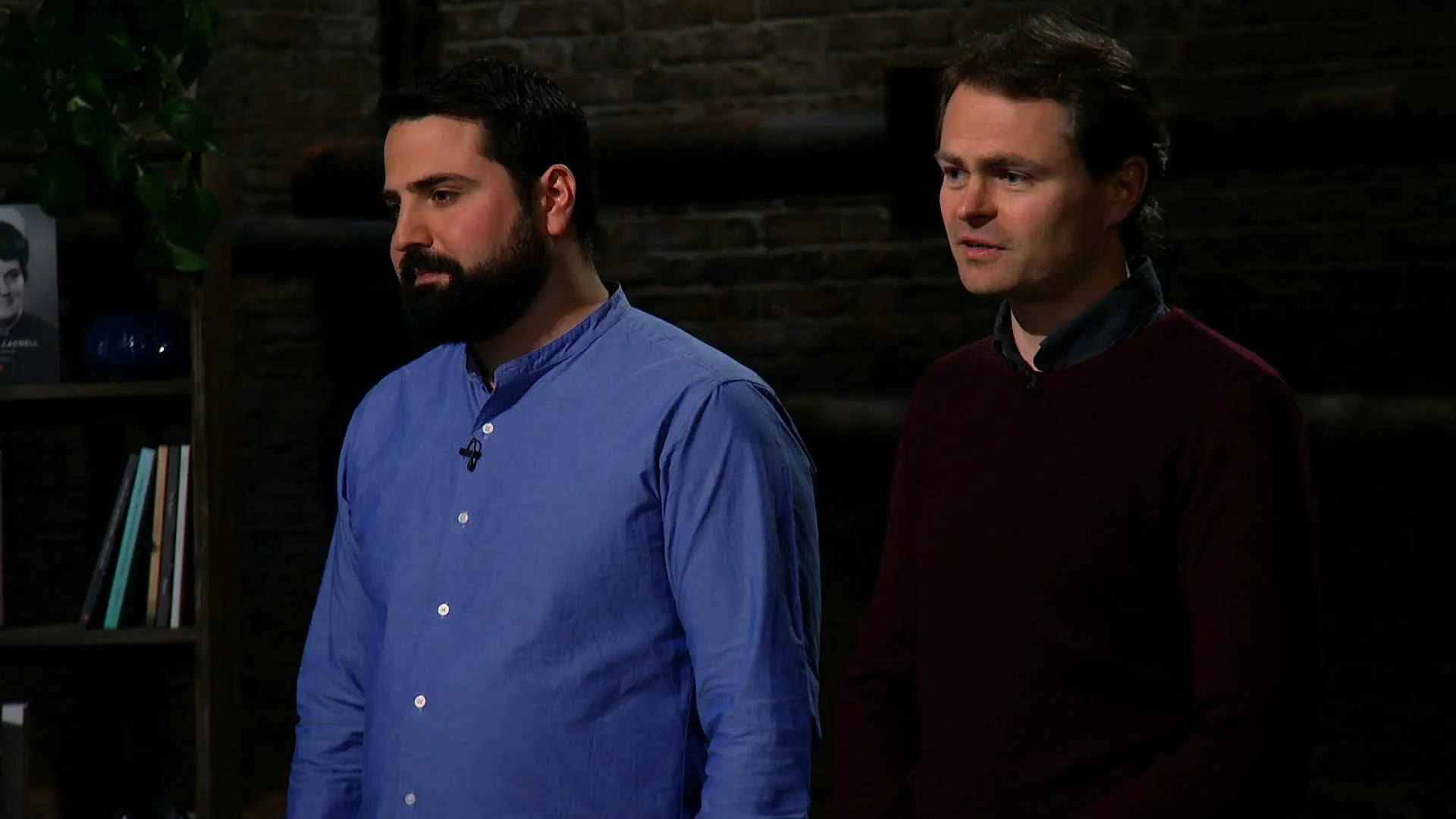
Press Release: StoryTerrace Appears on BBC Dragons' Den
Official press release for StoryTerrace's appearance on Dragons' Den, the UK version of television program Shark Tank.
US-based memoir-writing service StoryTerrace dominates UK’s version of Shark Tank with two offers of investment- Scaling at speed across the US and UK by turning life stories into books- CEO Story: Founder Rutger Bruining left behind a career in private equity to help everyday people tell their life storiesThe world’s leading biography writing service, StoryTerrace, appeared on last night’s episode of Dragons’ Den – the UK’s version of Shark Tank. The unique service received an emotional response from the ‘Dragons’ and offers from investors Touker Suleyman and Tej Lalvani.StoryTerrace ultimately went their own way for investment – and in the time since filming the episode, went on to secure an impressive 15 times the investments that they were offered on the show.Founded in 2015 by Rutger Bruining, StoryTerrace has scaled rapidly, making significant inroads into the US and UK markets simultaneously with offices in Los Angeles and London. The company now boasts a stable of over 600 professional writers across the globe and has sold book projects worth over $5 million. Since recording Dragons’ Den, it has doubled its sales. Given StoryTerrace’s impressive growth thus far, CEO Rutger Bruining has demonstrated how to turn an artistic process into a scalable commercial proposition.Much in the same way that celebrities work with ghost-writers to curate their autobiographies, StoryTerrace’s service matches professional ghost-writers to everyday people, who are often gifted the opportunity to immortalize their life story by their children. Given that a third of people say that they’ve learned more about their parents’ lives from overhearing conversations, than from speaking to them directly, it’s not surprising that StoryTerrace has proven to be so popular.In a world of tech startups, StoryTerrace is a company with a very human storyIn a scale-up arena saturated with tech startups, StoryTerrace sets itself apart as one of the few companies with a truly emotive, human value proposition. With the rise of impact investing, more investors are now taking a keener interest in the emotive impact of the businesses they invest in – in StoryTerrace’s case, the preservation of family histories for future generations. While these motivations do not replace the focus on returns, StoryTerrace represents a unique combination of a high-growth scale-up and a business which puts genuine human experience at the centre of its proposition.Plans for scale2019 proved to be a wildly successful year for StoryTerrace. The past 12 months have seen the company double its sales and grow its in-house team to 20 people. By the end of the year, StoryTerrace plans on growing its current pool of writers to a thousand-strong international roster of biography and memoir-writing professionals, as well as making several new hires in Los Angeles and London to accommodate the rapid growth of the company.StoryTerrace’s unique service is inherently scalable, both as a result of the appealing service and their proprietary software. StoryTerrace records the specific requirements and desires of each client and matches them to the perfect writer for the project, ensuring a high level of customer satisfaction.StoryTerrace has also developed its own online portal, via which customers, writers, and editors can seamlessly interact, share creative ideas and media material, and collaborate on the content of the book until the hard-cover, full-colour copies are delivered to their homes.Rutger Bruining – CEO and Founder of StoryTerrace discusses his appearance on Dragons’ Den:“We are all hugely proud to appear, and be successful, on a platform as prestigious and well known as Dragons’ Den. The feedback from the investors demonstrates both the significant consumer value and interest in our proposition while the two offers from such well-respected business-people show the financial viability of the idea which as a founder is incredibly gratifying.After helping to record more life stories than ever before in 2019, we are really excited to see what the future holds. Our ambition is no less than to completely change how society captures and passes on stories. And that over the next 10 years it becomes the norm, not the exception, to have documented the life journeys of our grandparents and great-grandparents in their own words.”CEO story: Founder of StoryTerrace, Rutger BruiningAs the Founder and CEO of StoryTerrace, Rutger Bruining has a rather incredible story of his own. Born in the Netherlands, Rutger spent a lot of time with his grandfather, who was a member of the Dutch resistance in World War II. As a young boy, Rutger adored listening to tales of his grandfather’s experiences, but he passed away before Rutger was able to record any of his stories. The passing of Rutger’s grandfather proved a pivotal moment in his life which would come back to change the course of his career forever.Rutger went on to build an impressive academic and professional resume, earning a degree in Business Economics from the University of Amsterdam and an MBA at Columbia University with Honors, after which he became Investment Director at Arle Capital in London. Despite his budding career in private equity, he could not shake the regret of neglecting to record his grandfather’s life stories. In 2014, Rutger could not ignore it any longer and left behind his private equity career to create a platform for people to chronicle their life stories, and those of their loved ones.Rutger credits his grandfather’s memory and the regret of his stories being lost to history as the motivation to begin what is now the world’s leading biography writing service and finds catharsis in his work, helping thousands of people to immortalize their family’s greatest stories, forever.(Left to right) Theo Brainin and Rutger Bruining following their successful pitch on Dragons' DenIf you would like any further information on StoryTerrace or would like to speak with Founder and CEO Rutger Bruining, please don't hesitate to contact us: press@storyterrace.comGet in touch with us to find out how you can write your memoirs with our help and sign up for our newsletter for more exciting news and content.

How To Write Your Biography: 5 Approaches to Structure your Life Story
5 great ways to structure your life story for future generations of your family.
So you've gathered everything you need to write your life story - if you need some more help, download our Memory Prompt Cheat Sheet to uncover forgotten memories. But what comes next?
There are many ways to structure your life story. There is no right or wrong way to do it - but it’s one of the biggest choices you will make about your book. Structure is crucial to the readability of your book. You might write beautifully - but without any kind of structure, your words will be scattered and disorganized.
So how do you structure your life story? We’ve outlined five of the best approaches to help you choose.
1. The chronological approach
One of the simplest ways to structure your life story and develop a narrative is chronologically - in the order that it happened. In this case, you’ll start at the beginning of your timeline and work your way through from birth to present day. Writing chronologically facilitates fluid and realistic character development, and as a result, allows events to mirror the way your book will be read.
A surprising example of a chronological structure: Time’s Arrow by Martin Amis
Shortlisted for the Booker Prize in 1991, Martin Amis’ book is written in reverse chronological order. It follows the story of a doctor getting younger and younger as time passes in reverse. This disorienting narrative makes for an unsettling and irrational read and emphasizes the importance of deliberate structure within a book.
2. The Basic Three Act structure
The Basic Three Act structure splits the narrative into, unsurprisingly, three parts: the setup, confrontation and resolution. It is one of the easiest ways to structure your life story.
The setup introduces the characters, their relationships and the environment they live in. It also presents a strong hook - an exciting incident that provokes a change in the protagonist's routine.
The second act - the confrontation - makes up the main bulk of your story. The stakes are raised throughout the act, until a major twist, usually a moment of crisis, initiates the start of act three - the resolution.
The resolution presents the final showdown and draws together and explains all the different strands of the plot.
If your timeline can be split into three clear sections along the lines of these themes, then this could be the structure for you. Often, a ‘Three Act’ book will be written chronologically - but it doesn’t have to be...

The setup introduces Rose, an unhappy woman engaged to a man she detests. Jack rescues her, following her attempt to commit suicide. The confrontation sees the stakes raised when Rose’s fiance begins to suspect their affair. In a moment of crisis, the famously unsinkable ship hits an iceberg. The resolution follows Rose and Jack as they try to escape the sinking Titanic, ultimately ending in Jack’s death and Rose’s survival. Rose recounts the series of events as an old woman as the story ends.
3. Freytag’s Pyramid
Freytag’s Pyramid is a more complex version of the Basic Three Act structure, with five parts rather than three. These are: exposition, rising action, climax, falling action and resolution.
The exposition, similarly to the Basic Three Acts’ setup, introduces the characters and backdrop of the story.
The rising action follows the series of events that occur straight after the exposition and leads up to the climax.
The climax is the turning point that changes the protagonist’s fate.
The falling action is the consequence of the climax, where the conflict between protagonist and antagonist unravels in a final moment of suspense.
The resolution is the same as in the Basic Three Acts, creating a sense of catharsis in conclusion to the story.

A great example of Freytag’s Pyramid: Little Red Riding Hood by Charles Perrault
The exposition introduces Little Red Riding Hood as she takes a basket of food to her grandmother’s house. Before she gets there, the wolf eats and takes on the identity of her grandmother. This is the rising action. The wolf convinces Little Red that he is her grandmother, and eats her in the climax. In the falling action, the wolf falls asleep. The huntsman finds the wolf and cuts open his stomach. The resolution sees Little Red and her grandmother freed, and the wolf killed.
4. In Media Res
Latin for ‘into the middle of things’, it’s unsurprising that this structure starts your book right in the middle of the story. This is usually in the midst of a crisis, or at a crucial point of action. This structure gives the reader a sense of what’s to come before reverting to the beginning of the story to find out how they got there. It’s also a great way to hook the reader from the first page.
If there’s a specific event in your life that was a turning point, shaping who you are today, this might be an interesting place for you to start.

The famous poem opens in media res, with most of Odysseus’ journey already traveled. Flashbacks and storytelling describe the events and characters met along the way.
5. The Hero’s Journey
One of the most popular methods used to structure your life story is the Hero's Journey. It was first conceptualized by Joseph Campbell in his book, The Hero With A Thousand Faces, and has since been adapted by Hollywood executive, Christopher Vogler. There are 12 stages to the Hero's Journey.
The ordinary world introduces the hero, closely followed by the call to adventure - a challenge or problem. The hero, probably scared of dangers ahead, is reluctant to accept the adventure in the refusal of the call. Meeting a mentor gives the hero confidence to cross the threshold, committing wholeheartedly to the adventure of the special world.
The hero faces tests, allies and enemies as they draw closer to the “elixir” in the approach to the innermost cave. The ordeal sees the hero pushed to their limits in pursuit of reward, before the road back. Consequently, in the resurrection, the now-changed hero returns with the elixir, commonly knowledge, back to the ordinary world.
.webp)
In the ordinary world, Luke Skywalker lives on moisture farm on Tatooine. R2:D2 gives Luke a message from Princess Leia, asking Obi-Wan Kenobi to help her as the call to adventure. Obi-Wan gives Luke his father's lightsaber, but at first, Luke is reluctant to accept his offer in the refusal to call. In addition, Obi-Wan, the mentor, offers to train Luke to become a Jedi (this actually happens before the refusal to call in Star Wars). Crossing the first threshold, Luke finally agrees to go with Obi-Wan to Alderaan to deliver the plans for the Death Star to Leia's father.
Han Solo and Chewbacca, their allies, agree to take Luke and Obi-Wan to Alderaan. In the approach to the innermost cave, the Death Star destroys Alderaan. They invade the Death Star and rescue Princess Leia, but Darth Vader kills Obi-Wan Kenobi in the ordeal. The reward sees Luke join the Rebels to destroy the Death Star, who also refuses Han Solo's offer to leave. Luke chooses to help overcome the Galactic Empire in the road back.
Luke remembers Obi-Wan's advice and destroys the Death Star using the Force in the resurrection, and wins a medal, finally taking his first steps towards becoming a Jedi in the return with the elixir.
At the end of the day, your story can be as structurally unpredictable as life itself. It’s your life and your story. We hope these methods have opened your minds to the vast possibilities and different forms your life story can take. But remember, there’s no right or wrong way to structure your life story: it’s up to you.
Now Is The Time To Share Your Story
StoryTerrace is your book production partner, including all ancillary activities from high-quality professional writing and editing to design, printing and publishing.


