Discover The Stories StoryTerrace Help Share.
Explore inspiring stories, expert tips, and the latest trends in personal biography creation on our blog.
.webp)
.webp)
The Magic of Sharing Stories This Season
The most meaningful gifts don’t come wrapped; they come remembered.
.webp)
Immigrant Experience-Based Bestseller: A Taiwanese Immigrant’s Journey to Kansas City by Benny “Goodman” Lee
We are proud to celebrate another StoryTerrace bestseller! From a childhood in Taiwan to a thriving life in the heart of America, Benny Lee’s story is a remarkable testament to resilience, entrepreneurship, and the power of giving back.
.webp)
Inside the StoryTerrace Interviews
At StoryTerrace, every book begins with a conversation. Interviews are at the heart of what we do. To give you a peek behind the curtain, we sat down with Stefanie Fox, one of our Premium Writers. Stefanie shared her perspective on what makes an interview not just informative, but transformative.
%20(27).webp)
Is This the Most Meaningful Gift of the Season?
As the holiday season approaches, the quest to find the perfect gift for loved ones without a wish list is just around the corner. But don't worry, we are here to lend a hand with some ideas that are meaningful, memorable, and delightfully unique!
%20(25).webp)
StoryTerrace Spotlight: White Coat, Blue Gown by the late Dr. Barbara Tatham
We’re proud to feature White Coat, Blue Gown by the late Dr. Barbara Tatham, Family and Emergency Room Physician at London Health Centre, Toronto as our September Book of the Month.
Browse all articles

How To Digitize Your Photos
Your book needs some images to break up the writing. But how will you digitize your photos from those old albums? Find out how to get the best results here.
This is the sixth part of our 'Ultimate Guide to Writing a Memoir.'
To access the rest of the guide, click here.
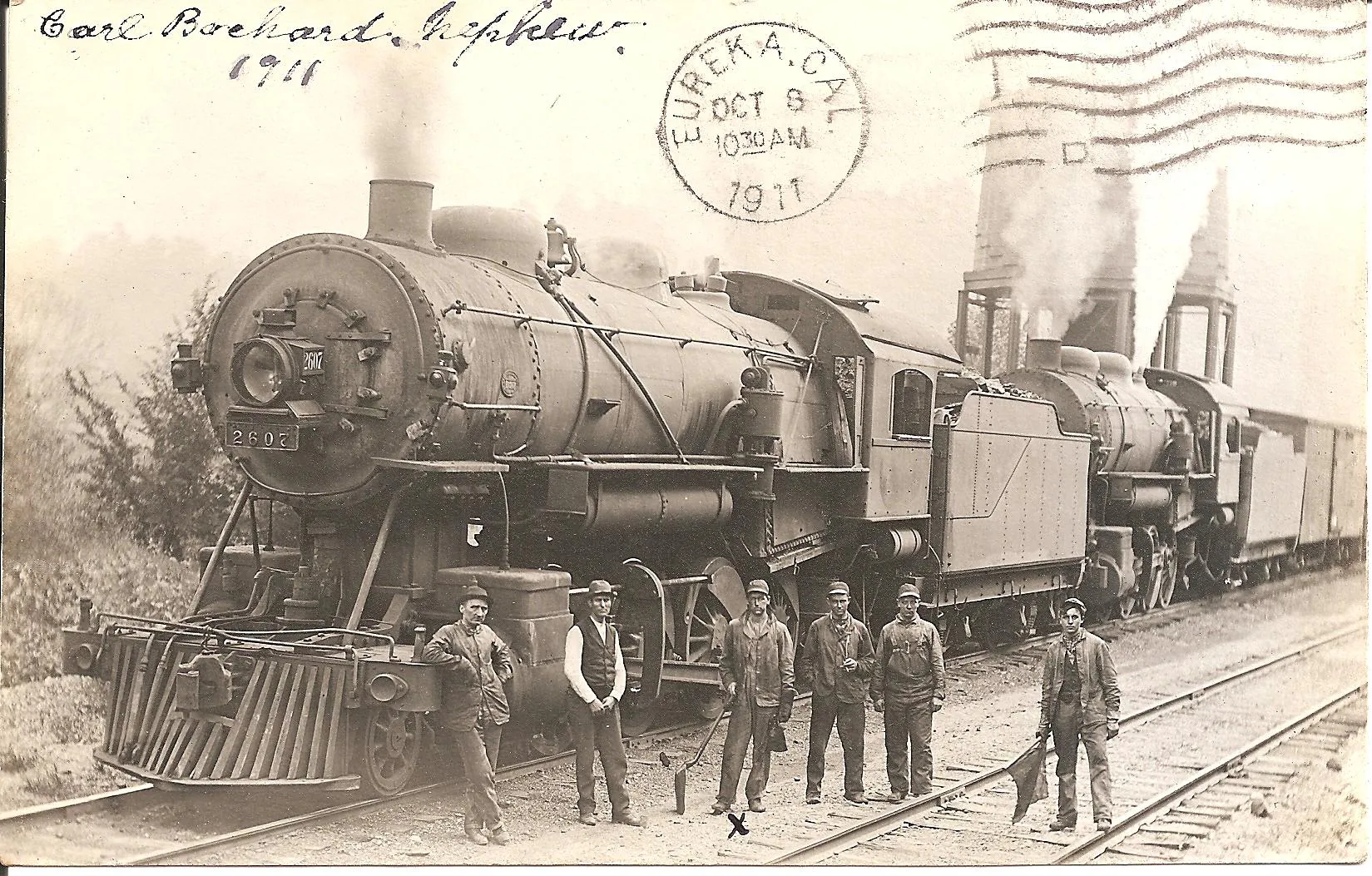
Want to break up your writing and add an element of visual context with old photographs? Here’s where you’ll learn how to successfully scan your images onto your computer in a quality you’ll be happy to include in your book.
There are a few different ways you can digitize your photos, each with their own set of pros and cons.
1. Don't just use your smartphone camera
The quickest and easiest method of digitizing photos is to snap your prints using your smartphone. This may be efficient, but results will be mediocre at best. Most smartphones use flash, and most photographs are glossy. This doesn’t make for a perfect match, and your images will capture the glare of the flash, or – even worse – your reflection. Even if you can work around this problem, your images will not be properly cropped, may be distorted, and are likely to be low-resolution and poor quality.
2. Use a dedicated scanning app
You can do slightly better with your smartphone, if you use an app dedicated to scanning prints. One app that stands out from the rest is Google’s free PhotoScan app. All you need to do is position your smartphone over the photograph, and the app does the rest.
You’ll see four dots appear on the image, which will inform where you position the camera for the scan. With almost as little effort as using your smartphone’s camera, this app eliminates glare and automatically crops your image to the borders of the photograph.
Each scan takes roughly 10 seconds. However, the quality still leaves a lot to be desired, when compared to a purpose-built scanner.
3. Use a scanner
If you have your own scanner, or you can source one from a friend or family member – great! Simply put the photographs you want to digitize through the scanner (depending on whether you’re using an auto feed or flatbed scanner) and wait while the images are processed. Using a scanner can be time-consuming and fiddly. Make sure there’s no dust on your photographs or the scanner bed – you don’t want that in your book!
If you want to reproduce your photographs at the same size as the original prints, you’ll need to scan at a minimum of 300 dpi. Your photos will need to be scanned at 600 dpi to print double the size, and so on. 600 dpi is recommended, otherwise the photos are going to look pixelated and blurry. No matter how high quality the scan, if the image itself is blurry or lacking in detail, you may still be disappointed by the results. It’s also a good idea to caption your images, so readers know who is in them, and when and where they were taken.
4. Get professional help (recommended)!
If you’re pressed for time and short on patience, or if none of the alternatives are an option, there are several companies that provide photo scanning services. All you need to do is send your photos, and they’ll do the work for you – for a fee, of course!
Read Chapter 7: Designing and Printing Your Book

Our Favorite "Who Do You Think You Are?" Moments
How much do you know about your ancestors? We take a look at the famous faces who have uncovered amazing stories about their family history - and why you should do the same!
Discover Your Roots: The Fascinating World of Family HistoriesHow much do you know about your ancestors? For many people, the answer to that question is not much! Even people who have thought about writing their memoirs often haven’t gotten around to investigating their roots.However, taking the time to research your ancestors and the lives they lived can often provide a wealth of surprises. You might learn the answers to family mysteries or discover more about your own life in the process.Perhaps that’s why we love Who Do You Think You Are? so much. Each episode of the show takes a famous face and helps them uncover their past. The results are often astonishing, emotional, or downright unbelievable. Here are a few of our favorite episodes — no big spoilers, of course!Daniel RadcliffeDaniel Radcliffe is best known as the star of the Harry Potter films. In these, he played a boy wizard whose past held some extraordinary secrets. Surely his own family history couldn’t be nearly as exciting?As it turns out, the lives of Daniel’s ancestors are peppered with drama — not least a fake bank robbery, staged to try and collect on an insurance policy!The highlight of this episode, though, is the cache of love letters exchanged by Daniel’s great-great-uncle Ernie and his sweetheart Genie. Hearing Daniel read the actual words of his descendants really brings their heartfelt relationship to life. Indeed, even decades after they were written, Genie’s words still have the power to make Daniel smile.Smokey RobinsonIconic Motown musician Smokey Robinson didn’t know much about his family history — at least, not until an appearance on series nine of Who Do You Think You Are? The show sees him travel to the Los Angeles Public Library, where archival documents reveal some truly astonishing secrets about his grandfather.During his travels, Smokey also discovers a lot more about his grandmother’s side of the family. It’s clearly an emotional journey for him — all the more so as the influence of his family, and his mother in particular, has been a big factor throughout his musical career.We love this episode because Smokey is so obviously intrigued, and often uplifted, by the lives of his ancestors. It goes to show that there’s a lot to learn from the people who came before us, and that they can still be hugely inspiring even if we can’t meet them face to face.Courteney CoxSeries nine of the show sees Courteney Cox (also known as Monica from Friends) travel to the UK to investigate evidence of a royal connection in her past. Her research takes her to Berkeley Castle, where her family was once caught up in an incredible royal scandal. There’s murder, mystery, and an imprisoned king.Uncovering the exact details of what took place requires the translation of a slew of Old English documents. These letters, diaries, and records open a window into a long-distant past — one that is clearly as mind-blowing to Courteney as it is to the genealogist who helps her along the way.This episode shows that it’s all too easy to forget that past generations lived lives that were complicated, intense, and full of drama. Indeed, it’s only due to carefully kept records that all of the excitement of long-gone decades hasn’t faded from memory altogether.Sarah Jessica ParkerAt the beginning of her episode, Sarah Jessica Parker (star of Sex and the City) admits to being wary about exploring her family history. It’s not that she thinks she might find it overwhelming. Instead, she’s mostly worried that there won’t be anything interesting to uncover!Sarah’s research, however, unearths some truly amazing stories, including the tale of her great-great-great-grandfather's 2,000-mile odyssey across America during the California gold rush. Sarah follows in his footsteps when her research takes her to California to continue her investigation, although her journey there is considerably easier than the one her ancestor took!Sarah’s ancestors were also among the first immigrants to follow the Mayflower across the ocean in the early 1600s and were caught up in the Salem Witch Trials not long after that. Far from being boring, Sarah’s ancestors were intimately involved in several of the biggest moments in American history.We think this episode demonstrates something important: You never know what you might reveal about your ancestors until you look. When reading memoirs or paging through archives, surprises wait around every corner.So Who Do You Think YOU Are?The one thing that all these stories have in common is that they wouldn’t be possible without written records of the past. These records might be in the form of books, photographs, census data, letters, or personal diaries.Whatever shape they take, these records matter a great deal. Unless someone took the time to put their experiences down on paper, it would be impossible to know about their life today. All of their most important moments and memories would be lost to the ages.That’s one reason why we think it’s so important to write your memoirs. After all, you’re the only one who has experienced your life, so (with some help from a talented ghostwriter) you’re the person who can tell your story best.And if you do tell your story? Then perhaps one day it’ll be one of your descendants who is awestruck, humbled, amazed, or thrilled by the things they discover about you and the life you lived.Ready to get started with writing your memoirs? Or do you want a little more guidance and advice about how to begin? Get in touch for a chat with one of our friendly advisors, or sign up for our newsletter to learn more about the importance of writing your memoirs.

Organizing Your Memories
Organizing your memories is the first step towards writing a memoir. Use our memory prompts and timeline to kick-start writing your memoir.
This is the first part of our 'Ultimate Guide to Writing a Memoir.'
To access the rest of the guide, click here.
Welcome to Story Terrace's ultimate guide to writing your memoir. We've helped hundreds of people capture their life stories in beautiful books written by our professional ghostwriters. Now we're sharing some of our expertise to help you along your journey.
You may be halfway through writing your memoir — or right at the beginning. Either way, you've probably found it a challenge to recall and organize all the memories that make up your life story.
In this chapter we are sharing two resources to help you: a set of 65 Memory Prompts we use with our customers to kick-start the process, and a Timeline Template you can then use to organize all the information.
You can access these two resources by following the link below:
Email Memory Prompts + Timeline template
We'll email you the memory prompts right away and send you the timeline template once you've had some time to do the first exercise. If you want to access the timeline immediately, you can find it here.
Using these resources
Memory prompts
Whether you are writing yourself, or working with a ghostwriter, it can be hard to know where to start and what to include. At Story Terrace, we often use memory prompts to kick-start the process — easy and fun questions designed to jog your memory and bring back moments you haven't thought about in years.
It's the perfect first step, and something you can later assemble into a timeline or structure for your story. We’ve hand-picked 65 of our favorite memory prompts to share with you.
Remember — you don't need to answer every question. Just scan through the list and think about which of these prompts speak to you the most. You’ll soon find you have more than enough to talk about.
Timeline
If you’re writing a book about your life, creating a timeline is an essential step. While your story is based on your own experiences, it’s easy to forget important moments — unless it is all laid out clearly in front of you. A timeline provides clarity and structure for your life story.
Once you’ve gathered all the information you need, it’s time to start organizing your memories by filling in your timeline.
Our timeline template is separated into 'key events' on the left and 'connecting stories' on the right. Key events are the major tentpoles of your life story — so brainstorm those first (using our memory prompts as a starting point). Once you've filled those in, start fleshing out memorable stories and anecdotes from these periods in your life, in the 'connecting stories' section.
What you’ll come away with is a complete overview — making it easier to identify themes and get creative with your structure, which you can learn more about in the next chapter.
All done?
Congratulations! You’ve taken a big step towards writing your memoir. Your key events will help you to inform your decisions regarding chapters and structure, potentially becoming your chapter titles, with the details becoming your chapter content.
Want to take it to the next level?
If so — ask yourself, how do you feel about what’s in front of you? Are any themes starting to emerge? Try labeling or highlighting your timeline to bring out the common threads.
Read Chapter Two: Structure Your Story
Life stories: finding love at a parents without partners dance
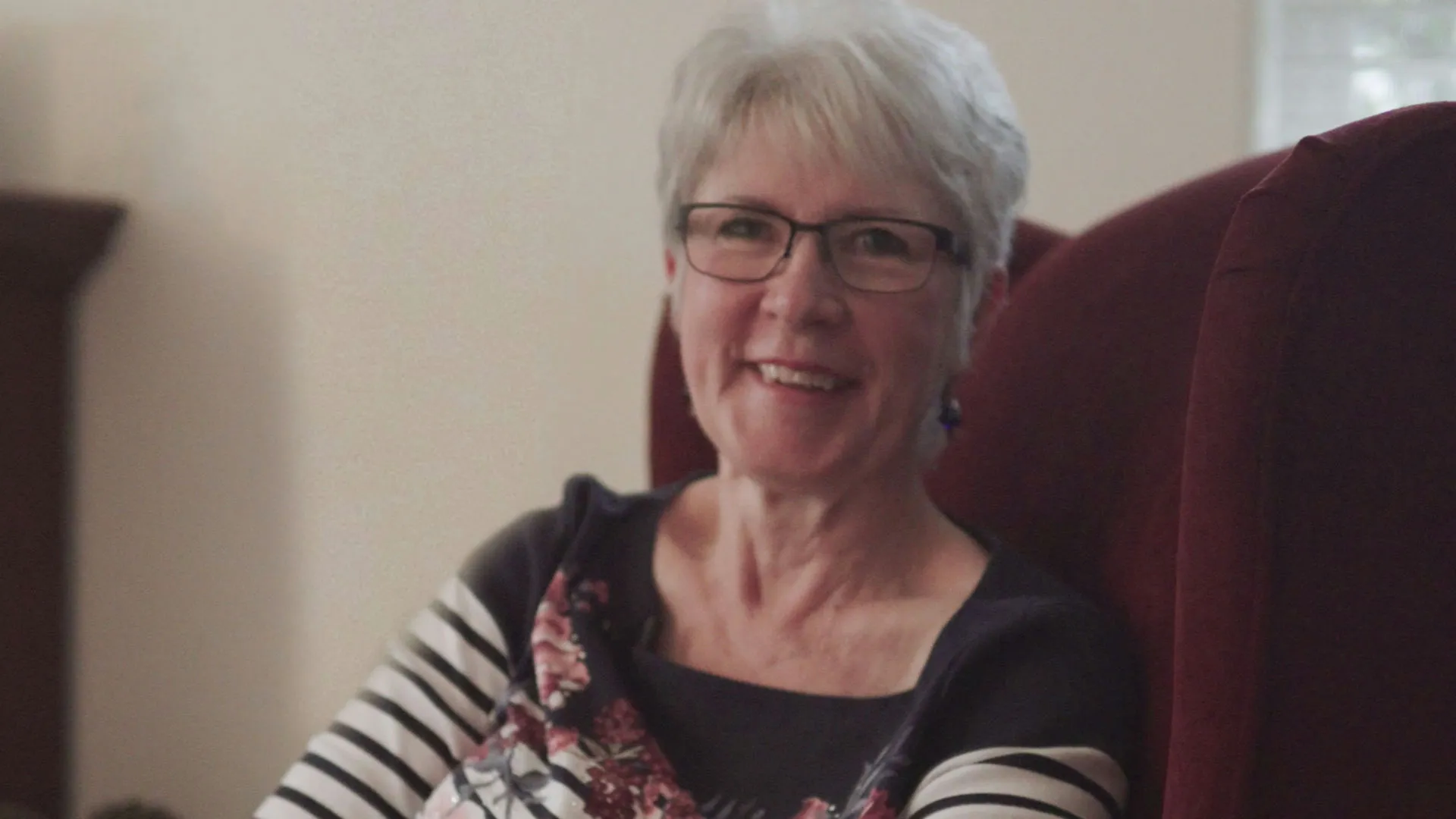
Story Terrace writer Celeste Hamilton Dennis on the experience of capturing Deborah Schroeder's life story, "My Boys, My Life". Plus, Celeste's video interview of what it's like to write for Story Terrace.
Deborah Schroeder told me she met her second husband at a PWP dance. Did I know what that was?I nodded. "Parents Without Partners."She went on to tell me about the first time she met Ronin, the charismatic President of the local PWP chapter. Her friend naturally thought they should meet. Their first dance was awkward and ended with Deborah twirling into someone else's arms. They clicked at their second dance a few months later, gliding on the dancefloor like Fred Astaire and Ginger Rogers. They've now been married for over three decades.Watch: Celeste on the experience of writing biographies with Story TerraceI loved hearing Deborah talk about PWP. I'd grown up going to various PWP events as a kid in the 80s and 90s, whether picnics at Eisenhower Park or a long summer weekend camp on a lake in the Catskills. Like Deborah, my mom was a single parent. But I hadn't heard the name PWP mentioned in years, and in fact, never really talked to my mom about it other than laughing about that one year on the lake when a bunch of brace-faced misfits (myself included) did a rendition of The Who's Tommy."I always leave my StoryTerrace interviews feeling lucky."Talking with Deborah felt like talking with a friend. Even before I'd met Deborah, I'd felt like I'd known her. Out of the few bullets on information I received beforehand, the one that stuck out was “she likes to go out with her girlfriends.” She valued having a community of women. So did I.At her kitchen table over the course of two days, I was privy to all sorts of interesting things about her rich and varied life. I learned more about Portland’s Rose Parade, an annual tradition in my adopted city, and how she was in the running for Rose City princess in high school. I got an intimate glimpse of what life was like as a single mom of three boys for many years, and admired her unwavering devotion to them. I heard about the women’s fashion shop she managed alongside her mother before taking over herself—and that Seattle has great fabric markets. We laughed easily together.I always leave my StoryTerrace interviews feeling lucky. In this case, I felt lucky to have another viewpoint of Portland history. As a mother myself, I also felt lucky to absorb her wisdom about love and motherhood—especially from a single mom perspective. “My boys were my life,” she told me. Whether making sure they got the best education or showing up for every sporting event, she did everything she could to ensure they thrived.My mom, a single mother who worked as a bowling alley waitress, did the same.It doesn't happen all the time, but every now and then I really click with my interviewees. Deborah and I really clicked. Just when I wished I’d had more time with her, she casually mentioned she'd like to have our family over for dinner as I was walking out the door. I wasn’t surprised. That was Deborah—warm, inviting, and ever so generous.First, though, I had a call to make. “Mom, I realized I never asked you much about PWP," I said when she picked up the phone. “Tell me more.”You can learn more about Deborah's experience of making her book, on our blog. To find out more about working with us, subscribe to our newsletter, or get in touch via our contact page.

6 Tips From Marie Kondo to Declutter Your Past
“To put your things in order means to put your past in order, too.” according to Marie Kondo.
How Writing Your Biography Can Help You Declutter Your Past“To put your things in order means to put your past in order, too.” We couldn’t agree more, Marie Kondo. The Japanese author and organization wizard sparked a tidying phenomenon of decluttering and organizing through her infamous book, The Life Changing Magic of Tidying Up. But the organization virtuoso’s lessons go far past simplifying your belongings. It’s about decluttering your life in all aspects, learning to let go, and simplifying. And sparking joy doesn’t just happen in your home space.There’s a fascinating correlation between organizing your physical belongings and the drastic impact it has on your mental well-being. The KonMari Method is actually applicable to decluttering your past. Writing your biography helps you discover lost memories, categorize your experiences, and as a result, celebrate your life. By weeding through your past adventures, you’re Kondo-ing your way to a decluttered, fresh slate.A’la Marie Kondo, here are the six ways writing your biography can clean up your emotional baggage.1. Make Sense of Your Life NarrativeYour life story might feel like a huge jumble of the good, the bad, and the life-changing. When you start to declutter your past, your life story can unravel into a really, really good story. Everyone has their unique story—you just have to sit down and make sense of yours.2. Discover Lost Memories and Past ExperiencesAs Marie Kondo says, “From the moment you start tidying, you will be compelled to reset your life. As a result, your life will start to change.” Sifting through your past is no small feat. Like going through old books, taking a trip down memory lane might just make you discover memories you’ve hidden away for years. When you start writing your biography, experiences you’ve had buried away come to the forefront. And trust us, it’s worth writing about.3. Categorize Your MemoriesDebatably the most important element to tidying up is categorizing your items. Like identifying your miscellaneous belongings, categorizing memories can bring absolute harmony to your life. By fine-tooth-combing your adventures and experiences, you’ll be able to compartmentalize each section of your life—and your book.4. Declutter Your Past“The process of facing and selecting our possessions can be quite painful. It forces us to confront our imperfections and inadequacies and the foolish choices we made in the past.” Marie Kondo emphasizes that going through our baggage—literal and emotional—can be a difficult thing to confront. When you write your story, every incredible and foolish experience can come up. Sifting through these experiences can help you make sense of your life, for good.5. Connect Your Past with Your Present and Future“Attachment to the past and fears concerning the future not only govern the way you select the things you own but also represent the criteria by which you make choices in every aspect of your life, including your relationships with people and your job.” The KonMari Method focuses on attachment and letting go in order to make room for your present belongings. Letting go and accepting your past can make way for your present and future self.6. Celebrate Your Life“Not only you, but your things as well, will feel clear and refreshed when you are done tidying.” Marie Kondo couldn’t be more right. Going through your life and writing it out can be therapeutic. By talking to someone about everything you’ve gone through, sorting it out, and letting go of the not-so-fun stuff, you’ll feel recharged. Your mental well-being will seriously thank you.The Life-Changing Magic of Tidying Up can help us declutter our entire lives. Ready to get deeper? Schedule a free consultation for you or a loved one to start decluttering your past and writing a biography!For more details, sign up for our newsletter, or contact us today.

What Stories Do Americans Most Want to Tell?
Everyone Has a Story to Tell
Do you wish you knew more about your family history? Not just the facts, but the experiences and stories that made your ancestors who they were. When you know your past, you can appreciate the present moment even more. That's why for our latest research, we decided to delve into how Americans feel about writing their memoirs and documenting the past — both for themselves and for others.
We discovered a rich array of information, from how the pandemic has changed our ability to learn about our family to what people believe makes a good memoir — we even found out which type of celebrity memoirs they'd like to read!
Everyone Has a Story to Tell
By writing a memoir and sharing your story, you can inspire others, make sense of your past, preserve your heritage, and grow closer to your family. Do you know someone whose life story would make for incredible reading, or have you ever thought about documenting your own? Our research found that 72% of respondents know someone whose personal story would make an interesting book. A full 58% have also been told they should write a book about their lives someday, while 68% have already dreamed about writing their own memoir.
Preserving your personal history or family history is a powerful way to leave a legacy and ensure that the stories that matter are passed down and preserved forever.

Our Founder Rutger (bottom left as a kid) with his grandfather Gerard (bottom right)
Keeping the Stories That Matter Alive
StoryTerrace exists because its founder, Rutger Bruining, regretted not capturing the stories his grandfather told about his time as part of the Dutch resistance during World War II. Our research reveals that this regret is an incredibly common experience: nearly three-quarters of people have a family member who died before they could have their stories written down.
Whose stories did you cherish as a child? We discovered that the top three family members respondents looked forward to hearing stories from were their mothers (54%), grandmothers (51%), and fathers (48%). Out of all those we asked, three in four Black respondents choose their mothers as the family member with the best stories.
Forgetting stories passed down from family members or close friends was also a common concern: 67% of people surveyed told us this was one of their fears. We also discovered that military members felt this the most strongly (43% of those asked), and those aged 25-40 years were worried about this the most.
When it comes to whose biographies Americans would most like to read, grandparents came in first place, while military members very much wanted to tell their own stories.
If you are worried about forgetting family stories, we can help you to capture them by pairing you with your ideal ghostwriter and creating a beautiful biography for you.
Are You Connected to Your Family's Past?
Despite the extreme challenges of 2020, we were happy to learn that 63% of people found that the pandemic increased their ability to learn more about their family's history. As the world locked down, the dramatic rise in the use of technology created the perfect conditions to have meaningful conversations with family and friends. Interestingly, our research found that children of first-generation immigrants felt this the most, while men felt this more than women.
Were you able to connect to your family history more over the past twelve months?

Famous Last Words
Now that we have a better understanding of what stories Americans most want to capture, we had to wonder: What makes a great memoir? Our research found that overcoming adversity, an interesting adventure, and a dash of humor were the top three elements people wanted in a great personal story.
We also found that men favored reading about a life of adventure, while women prioritized humor. Our research also revealed that 41% of Americans have a particular famous person’s memoir they are interested in reading. Favorite celebrity memoir categories include entertainment (55%), activism (53%), and history (53%).
It's clear from our research that Americans have a healthy appetite for learning about the lives of both their family members and celebrities. Stories are vital to human connection and our understanding of both the past and the present, so it’s important to write them down before the chance is lost.
If you are looking to write your own memoirs or to capture a loved one’s story, contact StoryTerrace or sign up for our newsletter. We look forward to helping you!
Writing Your Life Story? Our 7 Must Reads!
These blogs will inspire your storyYou’re writing your life story. So far so good - but writer’s block can get in the way of reaching your potential. In this article, we’re focusing on the creative solution to writer's block: Inspiration. Therefore, we’ve rounded up 7 of the most inspirational blogs to help write your memoir, autobiography, or life story. Check them out!1. Positive WriterPositive Writer is a blog for writers and all creative people. Created by writer, Bryan Hutchinson, it provides tips on overcoming fear and doubt. So if you find yourself stuck in doubt or uncertain of your abilities, then this blog will truly get you inspired.Quick tip: this article will certainly help you to get started with writing your life story.
2. Marion Roach SmithMarion Smith believes everyone has a story to tell, so she created this website to provide useful tips to write yours. The website offers everything you could possibly need to write your life story, such as online classes, blog posts, books, and much more!
3. Scan Your Entire LifeWriting isn’t the only stumbling block when it comes to creating your autobiography. Digitizing your photos can be difficult, too. Founded by Curtis Bisel, this website provides useful tips and articles: from organizing your memories to restoring and scanning your photos.
4. Memory Writers NetworkJerry Waxler founded the MWA with the idea that the act of writing about your life can be considered a tool of change to develop a more interesting future. On the website, you'll find useful blog posts to inspire you to write your life story, autobiography, or memoir.
(www.memorywritersnetwork.com/blog)
5. Shirley Hershey ShowalterThis blog started when Shirley Showalter wrote her first memoir about her childhood ‘Blush: A Mennonite Girl Meets a Glittering World’. You can sign up for the weekly Magical Memoir Moments which include photos, writing prompts, and the ‘Write a Memoir’ eBook for free!
6. Memories and MemoirsMeet Linda Joy Myers, president and founder of the National Association of Memoir Writers and Memories and Memoirs. This blog will help you find all kinds of information about writing your life story. In addition, the site provides information on upcoming events and coaching classes such as ‘Write your Memoir in Six Months’!
7. Memoir Writer’s JourneyFounder of this website, Kathy Pooler, believes that we can all benefit from the stories that we share with each other. This is why she is currently working on her second memoir. On the website, you'll find inspiring blogs that encourage conversation, writing tips, workshops, and events.
Feeling inspired yet?Make sure to read through these helpful blogs and start writing! You can also check out our article: 7 Amazing Apps that Will Help You to Write Your Autobiography.
Writing your life story? Four more book covers to inspire you
We have so many incredible book covers and 'life quotes', we had to share some more. Behind each of these covers is a remarkable story.
You have a story that needs to be told as well - whether it's your own, or that of a loved one. We hope these covers inspire you to tell it!
Alan Robbins
Reflections at 80

"Over the course of my life, I have found that, even after achieving material and professional success, your family and the wonderful friends you make along the way are ultimately the things you will value most. My wish for you is that you cherish the people most important to you, as these relationships are what will sustain you for the rest of your days."
Angela Belli-Infante
Left-Handed Scissors

"Many times over, I could have let myself drown beneath the pain striking my body, but I forced myself to shake it off and climb ... there have been many small victories that make the mounds of dirt worthwhile: my wedding day, graduating from college, hearing the news that I was officially cancer-free, enjoying beautiful meal after beautiful meal with my family. I have learned how to shake off the dust and grow stronger with each and every obstacle."
Bud McJunkin
In God's Hand

"I have been very blessed throughout my life with the hand of God reaching for me, even when I didn’t recognize it. Many times, God’s hand has protected me. He has watched over me as a child, as a young man, as a professional, a newlywed, a father, and now as a grandfather. His hand has blessed me in work and been upon me in relationships. His hand has certainly led me. His hand has saved me, and despite all of me, His hand has wrapped itself around me and loved me."
Nina and Martin Rosenzweig
B'Yachad

"Our lives have been dedicated to surrounding ourselves with children and grandchildren that would carry on the traditions we believe in so strongly. First and foremost is our faith in the teachings of the Torah. We cannot survive without integrity, selflessness, and honesty.We conveyed to all of you the importance of a good education and the ethic of working hard to achieve your goals. Above all we hope we were able to make you all feel loved, protected, and cared for, because then we will have succeeded in accomplishing what we set out to do."
Writing a Memoir? Avoid These 4 Mistakes
What is the best way to share your memories with your loved ones?Writing a memoir is not an easy task, with memories and emotions all trying to make their way out of your head and onto the paper. Thoughts can get jumbled and memories distorted. Getting it just right might seem like a daunting task, requiring you to dig deep into your memory bank to drudge up old and occasionally even painful memories.However, the importance of documenting your story cannot be overstated. Writing about your life can be transformative, helping you put things into perspective. Creating your memoir may help to connect the dots, identify themes in your life, and, of course, document your legacy for your family. It provides the means for you to share your experiences and wisdom with future generations.Everyone has a memory to share, and yours is waiting for you to take that first step to begin.As exciting as it may be to get started on this journey, it’s natural to be stopped short by one big question: “What if I get it wrong?”The simple answer is that these are your memories, and there is no wrong or right to it. But while the memories are yours, you still want to tell the story in a way that will keep your readers engaged.When writing your memoirs, avoid these common problems to make sure your book is one that readers will enjoy for years to come.!

Photo Credit: Monkey Business Images1. Memoir Versus BiographyProblem: Most people want to begin their memoirs with the day that they were born. While your life story certainly has a beginning, your memoir is not an autobiography of your entire life, documenting every detail and life event. It is more important to share the specifics of the most important memories and events rather than every minor detail of your life. A memoir is a snapshot in time capturing a more personal, focused view of a memory.Solution: Keep your reader engaged by sharing the important parts of the story or event, allowing emotion and vulnerability to shine through. Use this time to document the details of an event or memory instead of worrying about sharing a chronological history of your life.2. Stream of Consciousness WritingProblem: You may be so eager to document the event that your writing is disorganized and fragmented. Writers often share events as a stream of consciousness, divulging random memories and thoughts as they pop into their heads. Unfortunately, this does not make for an interesting read and may even confuse the reader — especially if it leads to long, run-on sentences that are hard to follow.Solution: Use an outline to lay out the story and details in an organized fashion. Following a step-by-step process will also trigger unexpected memories, helping you to enhance and improve the story as you go. Resist the urge to share facts, figures, and dates that are not related to the specific memory to avoid confusing the reader.

Photo Credit: Getty Images3.
Will Others Be Offended?Problem: Many writers have avoided writing their memoirs for years or even decades in fear of hurting others’ feelings. A memoir is a personal recollection of an event from your perspective. Not everyone who reads your story may like it or agree, but these are your memories. Censoring your thoughts will lead to a much weaker story.Solution: Do not allow fear of persecution or disagreement to prevent you from sharing your story as you recall it. Ignore the haters and naysayers and tell your truth. Your recollection is unique and should not be tainted or skewed by the opinions of others.4. Avoid Giving AdviceProblem: Readers pick up a book or a memoir for entertainment. It is usually not meant to teach, inspire, or motivate, although these are possible outcomes of good writing. As you write your memoir, resist the urge to tell the reader how to overcome something in their own life and focus on what your journey means to you.Solution: Think about the telling of your story as a novel. What will keep the reader entertained and motivated to continue reading? Share words of wisdom as lessons that you have learned, rather than writing a “how-to” manual. Avoid giving the reader unsolicited advice!Writing your memoir should be fun and rewarding as you retrieve possibly long-forgotten memories and share your feelings and emotions with an audience. Remember that this is your story. In the end, the most successful memoirs are the ones that remain true to their writer’s vision.Story Terrace Can HelpAt Story Terrace, we understand the importance of sharing your memories exactly as you recall them. Our experienced writers and streamlined editing process eliminate many of the common pitfalls and roadblocks you may encounter in writing your memoir. Through in-person, video, or telephone interviews, one of our writers will help you share your story in your voice, guiding you through each step of the journey.We also make the process enjoyable! Writing your memoirs shouldn’t be stressful. Whether you tackle the task on your own or with professional help, make sure to take the time to enjoy the process of reliving your most important memories and sharing them with your future readers.If you're interested in sharing your memories with family and friends, we can pair you with a Story Terrace writer near you to streamline the process. You can also sign up for our newsletter for more helpful writing advice.
Now Is The Time To Share Your Story
StoryTerrace is your book production partner, including all ancillary activities from high-quality professional writing and editing to design, printing and publishing.


