
Discover The Stories StoryTerrace Help Share.
Explore inspiring stories, expert tips, and the latest trends in personal biography creation on our blog.

How to Write a Book About Your Life: A Guide That Works
Seven honest steps from a team that's helped thousands of people write their life stories. What works, where people stall, and when to get help.
What Is a Ghostwriter? Meaning, Definition & How It Works
A ghostwriter writes books and memoirs credited to someone else — including most celebrity autobiographies. The full meaning, and how it really works.
How Much Does a Ghostwriter Cost in 2026? Real Prices
How much does a ghostwriter cost? From £999/$1,200 for a short book to £60K+ for a premium memoir — real 2026 prices, not vague ranges.
How Long Does It Take to Write a Book? Real Timelines
How long does it take to write a book? Real timelines: 6–12 months solo, 6–9 months idea-to-print with a ghostwriter. Stage-by-stage breakdown inside.
Memoir vs Autobiography: 5 Key Differences (With Examples)
Memoir vs autobiography explained in plain English: 5 key differences, a comparison table and famous examples so you know which one to write.
.webp)
Browse all articles

Tips For finding and working with a ghostwriter
Everyone has a unique story to tell, but sometimes it’s hard to know how to tell it. A ghostwriter takes someone else’s thoughts or ideas and turns them into written words, usually staying anonymous on the final, published product. You can even use a ghostwriter to write your biography.
Everyone has a unique story to tell, but sometimes it’s hard to know how to tell it.
A ghostwriter takes someone else’s thoughts or ideas and turns them into written words, usually staying anonymous on the final, published product. There are ghostwriters for just about everything, including articles, technical manuals, and even memoirs.
Stories are the backbone of most family history. They make up much of the conversation around the kitchen table. They’re brought up at weddings, at births, and at funerals. We learn who we are by the lives of those who came before us. We identify ourselves as the Millers clan, the Jones clan, the Smith clan. Working with a ghostwriter can help you preserve this unique history for present and future generations.
Oftentimes, family stories are even more important than the physical objects that get passed down from generation to generation. When you hire a ghostwriter to tell your story, you’re able to pass down both. But, where to start?
How to Find a Ghostwriter
While the internet possesses a wealth of options, sometimes the sheer number can feel overwhelming. Just about anyone can claim the ability to tell someone else’s stories. In reality, ghostwriting requires a particular skill set even within writing itself. Just because someone is a good fiction writer doesn’t mean they would make a good ghostwriter. In fact, even a memoirist isn’t automatically able to tell others’ stories.
Perform a Focused Search
There are a few things you can do to narrow down your search options for working with a ghostwriter. Asking for recommendations from those you know is a great way to start. You can also search profiles on LinkedIn, or check out pages or groups on Facebook. It can also be beneficial to check out ghostwriting companies. These companies have a number of ghostwriters on hand who have passed screening and training, and they have successful books under their belt. Such companies also have a hand in the project from beginning to end, so you’re not left to micromanage or guess which step should come next.
Find a Ghostwriter Whose Style You Like
A good ghostwriter should be able to impersonate you while also possessing a personal writing style you admire. Ghostwriters can’t always say who their clients are, due to non-disclosure agreements. However, most can show you examples of their work in other forms. If you find a ghostwriter you like but can’t find an example of their voice, you can always ask for a paid sample on a particular topic.
Make a Personal Connection
One of the most important aspects of a quality collaboration is trust. You will no doubt be sharing very personal information when you hire a ghostwriter. For this reason, it is imperative that you are comfortable with him or her. Speaking in person, over the phone, or on Skype can help you determine your level of comfort. Using these methods for the interviews is also a good idea. StoryTerrace has ghostwriters who conduct interviews in the comfort of the customer’s home. Teresa Samuel says of working with her ghostwriter: "Sara really took the time to help me to find the structure in the story of my life.” Many times, some of the most important nuggets in a book come out of conversations that digressed from the main question, and these are more easily obtained in face-to-face interactions.
Collaborate on the Scope and Process
Before any work takes place, you and the ghostwriter should be clear on what type of book you want to write and how it will be written. You don’t need to know your exact themes, because the ghostwriter often comes to these on their own off the interview notes. But you will want to know your intended audience. Are you creating the book for your family? For marketing purposes? For yourself? Once this has been determined, make a plan for the next steps. Most ghostwriters will provide some combination of handing over a rough outline for approval, writing a first draft for approval, and then writing a third or final draft for completion.
Use an Editor and/or Designer
Working with a ghostwriter is just one of the steps to creating a finished project. Your book will also need to be looked over by an experienced editor. The format of the book, and the placement of pictures, etc., will be the job of a designer. Lastly, you need someone to print the book. These added necessities are another benefit of going with a ghostwriting company. Most companies, like Story Terrace, have staff on hand who each play their part in the final product. It is like buying in bulk instead of paying for each item individually.
Whether you want to tell your own story or help a family member tell theirs, there are individuals and organizations out there who can make this wish come to life. Imagine your children, grandchildren, nieces, or nephews having ready access to your life’s journey. The text and any pictures you include can be right there within the pages, ready to be opened at any and all times. Your voice will stay with those you love, and your stories will be told your way. As Peter Handke says, “If a nation loses its storytellers, it loses its childhood.”
If you’re ready to start working with a ghostwriter or just want more information, sign up for the Story Terrace newsletter or contact us for a free consultation.

4 Inspirational Reasons to Write Your Biography
There’s this idea that biographies only exist for celebrities, but that’s the furthest thing from the truth. If you’ve ever wondered whether or not your life story is worth telling, then think about this: in your own unique way, you’ve made a meaningful impact on the world around you and touched the lives of those in your orbit. It's worth to write your biography.
There’s this idea that biographies only exist for celebrities, heads of state, or the founders of Fortune 500 companies. But that’s the furthest thing from the truth.
If you’ve ever wondered whether your life story is worth telling, then think about this: in your own unique way, you’ve made a meaningful impact on the world around you and touched the lives of those in your orbit.
No matter how small we perceive our actions, their impact on others—and the future—is often much bigger than we can see or understand. Yes, your story is one worth telling. Writing your biography is a powerful experience with benefits that go beyond preserving memories for the next generation (although that’s definitely a compelling reason to put some ink to paper!).
But what exactly are those benefits? We talked to several people who chose to write their life story and found four compelling reasons to start writing yours today.
1. It allows you to leave a written legacy for future generations
Chuck often wished he had a recorded history of his family. After some thought, he decided to do something about it and opted to have his biography written. “I wish my mother and father had done it. I wish my grandfather had done it. We have lots of things we talk about doing. And we never do. And this was one of them.”
Putting your memoirs and life story into words leaves a legacy for generations to come. It becomes a sacred family heirloom that can be passed down for years, helping to strengthen the bond between family members through shared stories, meaningful anecdotes, and a narrative rich in details that might have otherwise been forgotten.
It’s also a way of preserving a moment in time, giving future family members a glimpse of what life was like during a particular era.
Chuck, who opted to have his biography ghostwritten, had this to say: “Obviously, one can write [a biography] themselves. But it’s a pretty big task. And you need help—well, at least I did. Seeing this little [Story Terrace] ad prompted me to get going on something that I had thought about. Whether it was a book or recording, I wanted to start as young as I could and remember the things from when I was a young boy right through the end of my life. Their writer Eric did a wonderful job of putting it all together. I think they did a really wonderful job. The quality, the cover, the pages—I’m very impressed with what it is.”
Much like Chuck, many of our customers note how much they enjoy the interview process with a professional writer and that the opportunity to reflect on their life path is a beautiful experience.
2. It helps you connect with your family and friends
The Pepper family wanted to commemorate their patriarch’s 80th birthday in a way that would help them feel closer to him while preserving a piece of family history. “Our oldest son Rick, his wife Patty and their son Rich were talking about my husband’s birthday coming up. And they wanted something special. Our grandson Rich said ‘maybe we can have a book written about Chichi and Pa’s life.’ They researched and found Story Terrace.”
Working on a biography as a family unit can reinforce memories and strengthen bonds—especially when multiple generations are involved. It can be a beautiful shared experience and a powerful way to pass down the family’s legacy from grandparent to grandchild. As the Pepper family recounts: “Things [came] up [during the process] that were very important but kind of got lost in the background. Putting, in many cases, smiles on our faces and laughter in the room.”
3. It gives you an opportunity to reconstruct the narrative of your life
One important benefit of biography writing is the ability to put a traditional story structure on the events of your life by giving them a beginning, middle, and end. These events may appear random and unconnected, but thinking about it from that perspective isn’t always beneficial. Psychology Today notes that “it helps to think about how the various events—even the bad ones—have been part of a journey toward the person you want to become. Writing it down or telling it to someone else can help you impose that organization on it, help you identify key events, and even help you just rehearse and remember the details in a way that helps you become the author of your own life.”
Writing a biography about yourself gives you a moment to reflect on your life, soaking in the nostalgia and reminiscing on the good times you’ve shared with family and friends.
4. It can be therapeutic
Turns out, writing about yourself is a wonderful form of self-care! Various scientific studies have documented the psychological benefits of journaling. Putting pen to paper serves as an effective form of therapy that can reduce stress, boost cognition, and increase creativity. In fact, a study conducted by social psychologist James W. Pennebaker at the University of Texas at Austin found that labeling emotions through writing helps make sense of them and produces a positive outcome.
As Psychology Today notes, “emotional, autobiographical storytelling can be a path to truly owning your story.” And by sharing that story, you can use your experience as a way to help others in a similar situation.
“But wait a second, —I’m no Hemingway.
I don’t even know where to start.”
Most people are intimidated by the prospect of writing a report, much less a lengthy biography. Reaching out to a ghostwriting service can help you kick start the process with a qualified writer who will help you manage the entire process for you.
Ready to enjoy the benefits of writing your biography? Contact us for a free consultation, or you can sign up for the Story Terrace newsletter for more information.

5 incredible book covers that will inspire you to create your own
When you write over 500 life stories, you learn quite a lot about life. That wisdom is captured in an incredible way through the life quotes our customers have chosen to feature on the back covers of their books. Have a look at these amazing covers and 'blurbs'. What quote would you choose for your own back cover?
When you write over 500 life stories, you learn quite a lot about life. That wisdom is captured in an incredible way through the quotes our customers have chosen to feature on the back covers of their books. Have a look at these amazing covers and 'blurbs'. What quote would you choose for your own back cover?
Olden B. "Jay" JohnsonNavigating Through the C's of Life
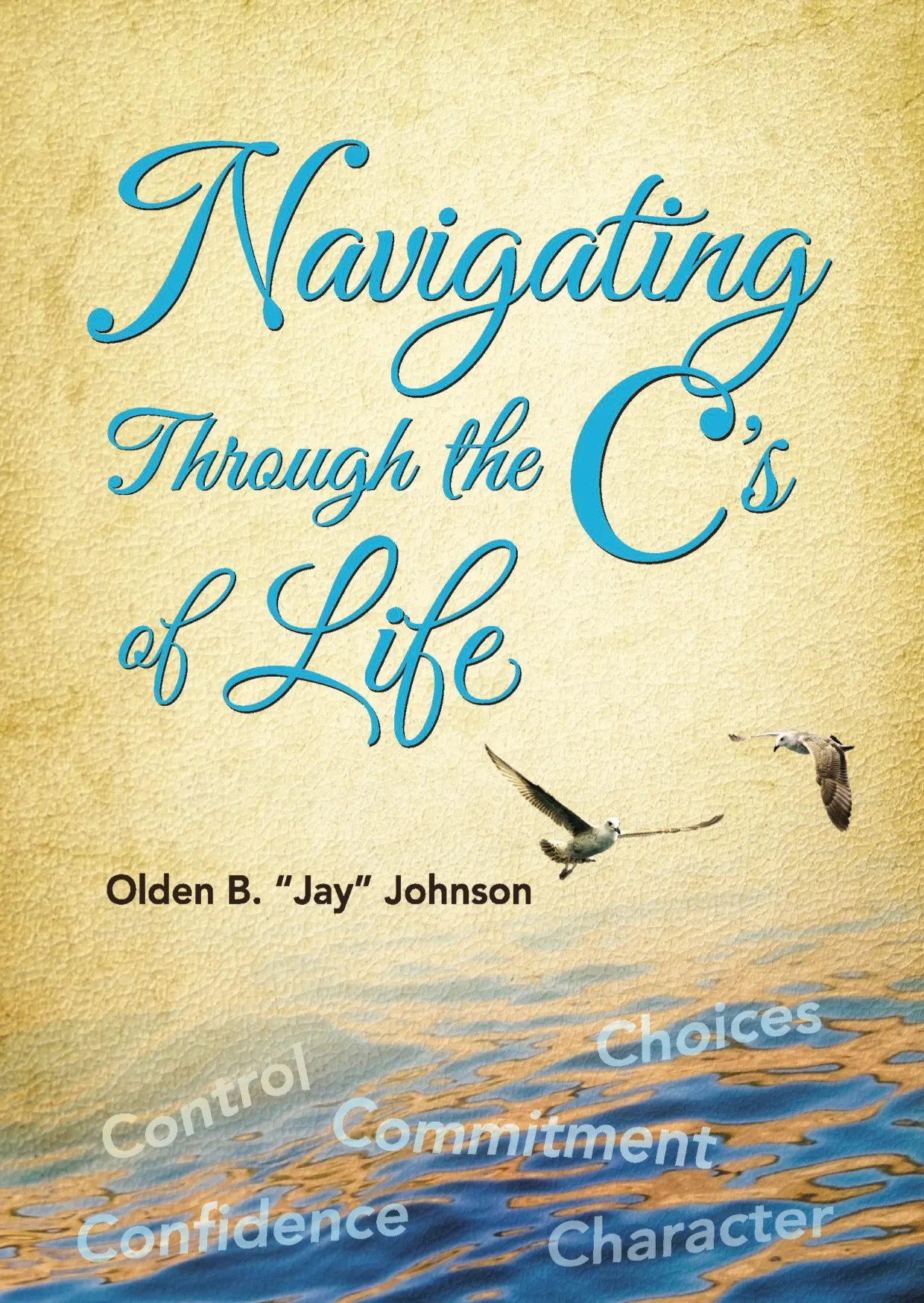
"Let’s be frank: no one says to someone they want to encourage, “Be average!” Nor should they. Throughout history, people the world over are told and retold stories of the greats that have gone above and beyond, challenging the status quo along the way, and as a result, have made a tremendous difference. And while there’s no one-size- fits-all model for how to go big, it is also true that you won’t get there by striving to be average or settling for the bare minimum. You have to reach higher. You have to go big or go home!"Jo DaveyLife is an Adventure, Not a List

"When I was young, the attitude to life was “Get on with it” and I try.I live by the motto, “Do unto others as you would have them do unto you,” and I feel very strongly about equality – especially equal work for equal pay, because for years I didn’t get it.I also try not to be good! "
German LamThe Dragon Turns to Water

"I was born in the Chinese year of the dragon. Dragons are fierce and hard; they are the king of the Chinese Astrological signs. But you cannot be a dragon all of the time. Sometimes you have to be soft and flow like fluid. To know when to be which is the key to my own personal philosophy called the freestyle lifestyle."
Haroon Omar Mahdi
A Boy's Journey
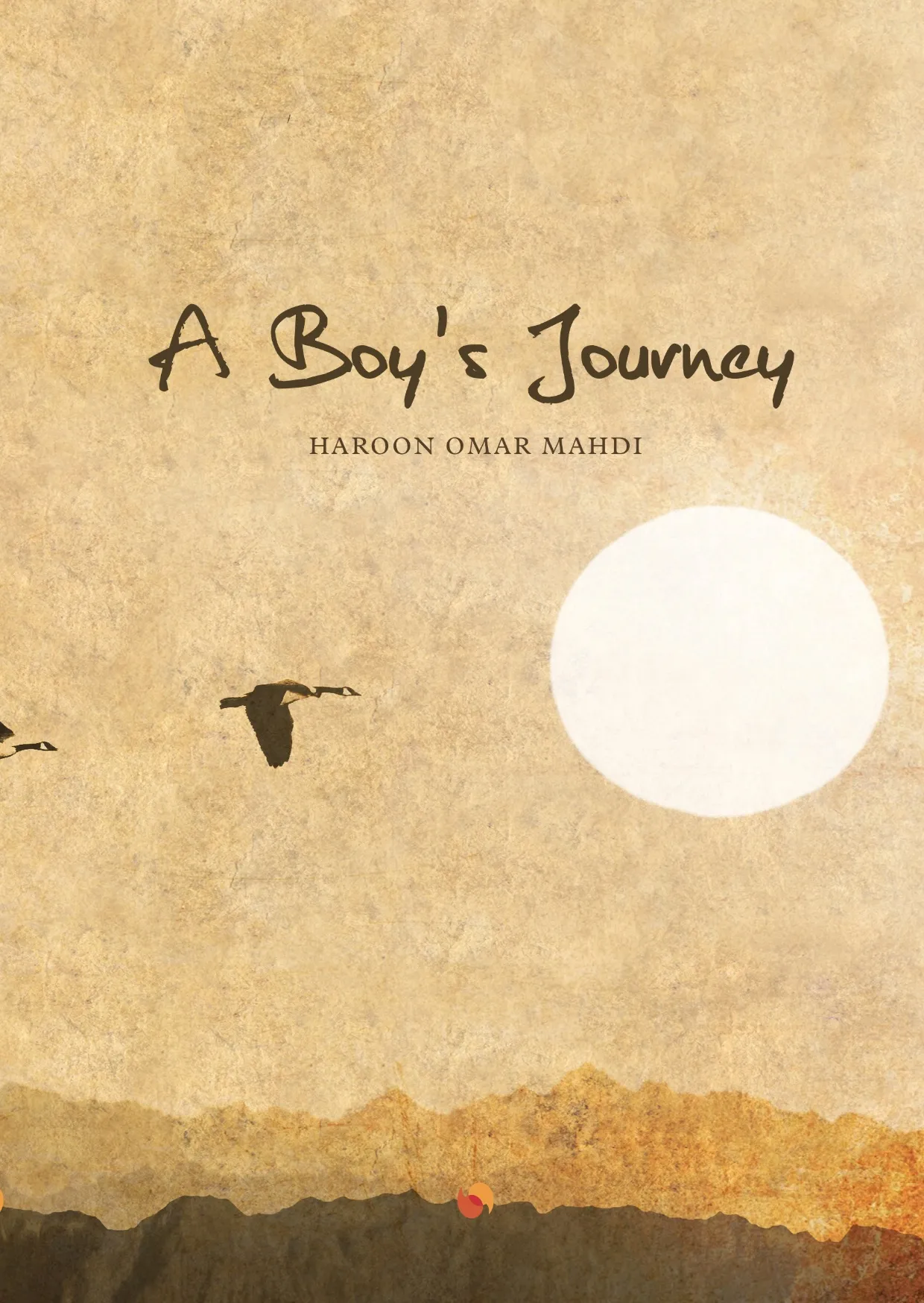
"A friend came to pick me up and drive me to his place in Islamabad, where I would have to go into hiding until my family worked out how to get me out of the country. There was no time to say goodbye to my family properly, or to collect up my precious medical books. I stuffed a couple of items of clothing into a bag and left the house. From now on I was on my own, and I was running for my life."
Robert James
The American Success Story of a Technically Cockney Lad
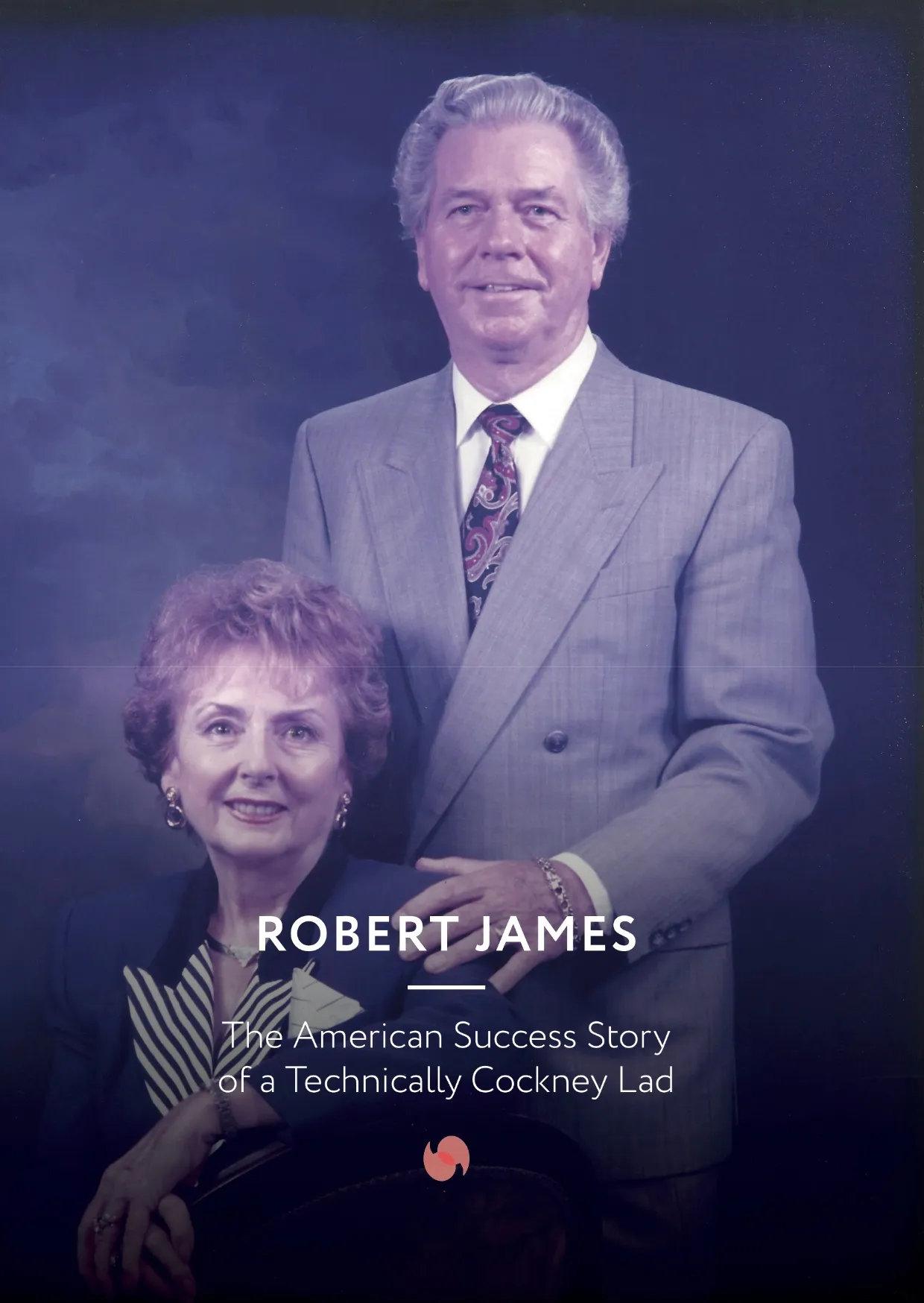
"In 1990, when I was 65, I retired from full-time work and had no real idea of what I was going to do other than enjoy myself and spend more time with my children. When I retired from the packaging business, I had operations in the U.K., France, Germany, Italy, and four factories in the U.S. But even though I retired, I started four more companies, one of which was very successful. It is important to me to keep my brain active, no matter what age I am. If you don’t keep the mind going ...well, I do not want to find out what would happen."

Writing (the nitty gritty!)
Writing a memoir takes time. In this chapter, you’ll learn how to create a writing habit, as well as learn techniques to improve your writing style.
This is the third part of our 'Ultimate Guide to Writing a Memoir.'To access the rest of the guide, click here.
Everything’s in place - you know what you're going to include - and you’re ready to start writing. But hang on, where do you actually begin? You'll need to start by setting aside the time to create a habit out of writing.
Once you've established when you're going to write, you need to decide how you're going to write. Your memoir needs to sound like you're telling the story, so developing your own unique style is an important part of the process.
Creating a habit
1. Identify the times you could be writing
Unless you’re living a life of leisure, you’re going to have to fit writing your story around your existing commitments. Determining when you have free time, and how you spend it, is the first step in finding the time to write your story. Once you know what you are doing when you could be writing, you can make a plan to sit down and get started.
2. Set S.M.A.R.T. goals for your writing
We all have goals, but often they’re vague and we have no idea how we are actually going to achieve them. To create a writing habit, setting S.M.A.R.T. goals provides structure and trackability with clear milestones and estimations of the goal’s attainability. For your goal to be S.M.A.R.T. it has to fit into each category: Specific, Measurable, Attainable, Relevant and Timely.
Specific: what exactly do you want to achieve? Where? How? When? Why? The more specific your goal, the greater the chances of achieving it. For example, you want to write your life story. This is vague. More specifically, you want to write for half an hour everyday so that in one year you’ve finished the first draft of your life story.
Measurable: break down your goal into elements that you can measure. This way, you can track your progress and assess whether or not you’re on target to achieve your goal. For example, set a daily word count and reach that number everyday you write. Mark these days on a calendar so you can clearly see how well you’re doing.
Attainable: is your goal attainable? Can you actually do it? Committing yourself to writing everyday may not be realistic if you’re already struggling to find enough hours in the day. That doesn’t mean it’s impossible! Plan smartly and find a way to make your goal attainable.
Relevant: do you actually want to do this? Are you committed and willing to put the effort in? Are you the right person for the job? Answering these questions will help you to establish whether or not your goal is to write your life story yourself, or have your life story written by a professional ghostwriter. This will save you a lot of time and effort, and you still end up with a beautiful, hardbound book of your life.
Time-bound: is there an end-date for your goal? Even if you don’t know exactly when you will finish your book, setting a deadline for each goal keeps you motivated to get the job done, and helps you to avoid procrastination. Remember to keep your timeline realistic. You don’t want to rush your project.
3. Find your time to write - and stick to it
It takes three to four weeks to turn a new activity into a habit. Schedule your writing and stick to it for just three weeks and you’ll create a writing habit with ease.
The best thing you can do to form a habit, is pick a time of day and stick to it. If you consider yourself a morning person, why not wake up ten minutes earlier and start your day productively by writing? If you’re a night owl, try writing before you settle down for bed.
There is always a perfect time to write for every person - you just have to find what works for you, and use it as much as possible.
4. Do the small things that drive big results
The Pareto principle, also known as the 80/20 rule, is named after Vilfredo Pareto, an Italian economist. According to Pareto, 80% of our output is driven by just 20% of our efforts. This means that we spend the majority of our time generating just a small fraction of our results.
Is this true for you? Try to find out. Do you slow down after you write 1,000 words? Do you spend too much time editing and reworking your writing without tangible results? Try to get these bad habits under control - and when you know you’ve gone beyond your '20%', just stop. Whether you set a short word limit, or a brief time frame for writing (e.g. 15 minutes), use Pareto’s principle to focus your energy.
5. Reward yourself
Writing in your spare time doesn’t mean you have to give up your other hobbies. Finding the time to write could be as little as ten minutes in a day. Your other pastimes can then become a reward. For example, if you decide that you want to substitute watching television with writing, try saving up your favourite box set to watch when you reach a milestone in your S.M.A.R.T. goals.

Developing Your Style
Write how you would talk.
You’re already an expert at communicating in your own style - when you speak. It’s your story. It should be written in your voice. Read over what you’ve written, and ask yourself: is this how you would talk? Would you actually say that? If you aren’t sure, ask someone. And if the answer is no, ask yourself: why?
Get feedback to make sure your writing 'sounds like you'.
Know who you're talking to.
Who are you writing your book for? Focusing your narrative with a target audience in mind will help to develop your style. Try thinking of a specific person - whether it be a family member, friend, or colleague. Think of someone that you’d want to read your book, and write with them in mind. It will change your tone.
Write a little, a lot.
If you’re struggling to develop a unique style - which doesn’t necessarily come to you overnight - writing a little, often can help. Just getting into the habit of writing down your thoughts, however they present themselves, can help to develop your writing style. As the saying goes: practice makes perfect. Write a small amount every day to perfect your technique.
Write what you would read.
When you read over your words, are you excited or bored? If it’s the latter, it’s likely you’re not writing as yourself. If what you’re writing about interests you, you’ll be able to write it in such a way that - even at the very least - you will find engaging.
Find your favourite books and ask yourself what it is about them that you love.
Don't just mimic your favorite writers.
Use your favourite writers as inspiration, by all means. But don’t imitate their style, wholesale. Copying someone else’s style will only produce second-rate work. You don’t want your story to be a pastiche. Think like a curator in an art gallery - pick out the aspects of their writing that most appeal to you and incorporate them in your own way.
Read Chapter 4: Overcoming Writer's Block

How To Overcome Writer's Block
Overcome writer's block with these helpful tips on how to get inspired again.
This is the fourth part of our 'Ultimate Guide to Writing a Memoir.'To access the rest of the guide, click here.
What is writer's block?
Writer’s block can affect anyone - it’s a popular name for that moment when you are in the midst of a project, but you lack the inspiration or drive to write another word.
What actually causes writer's block?
Common causes of writer’s block are timing, fear, and perfectionism. Any one of these causes can 'block' a writer.
Timing: There are certain times of day, or days in a week, that you just don’t want to write. You’re too tired. You’re too busy. That’s okay.
Fear: People are often scared to put their ideas out there, open to the criticism of others.
Perfectionism: Some people want everything to be perfect in their minds before putting pen to paper. This just isn’t going to happen, so the writing never begins.


How to overcome writer's block
We’ve found some great ways to help overcome writer’s block and get you back on track.
Embrace your concerns: Being afraid is okay. It’s justified. Accept and embrace your fear and it won’t overwhelm you or put you off. Your first draft won’t be perfect. Remember that you can go back and edit when it’s done, and you’ll be able to keep writing.
Do something else: Write a poem, draw or paint a picture. Doing something different but equally creative will help to get those creative juices flowing again before you go back to writing.
Read: Reading can help you to remember why you’re writing your story in the first place. Books will help to inspire you and give you some encouragement to keep going.
Change your environment: Is your desk chair comfortable? Well lit? Would writing be more exciting if you change where you do it? Why not try going to a nearby coffee shop? Find a space you’ll look forward to being in and you’ll look forward to writing too.
Free write: Literally write anything. Spend 15 minutes a day just writing. Ignore punctuation, and just go. Set a timer and write whatever comes to mind. Either do this for a week or so and then return to your writing project, or free write for 15 minutes and then go back to it straight away. Who knows what you’ll come up with!
The foolproof method
If none of the above methods seem to be working, there is one way to overcome writer’s block that works. The foolproof method is: just write.
If you just focus on one sentence, and then the next, and keep going, your inspiration will come back. You can write. The first draft doesn’t have to be the best draft. It just has to be there. So write.
Read Chapter 5: Editing and Proofreading
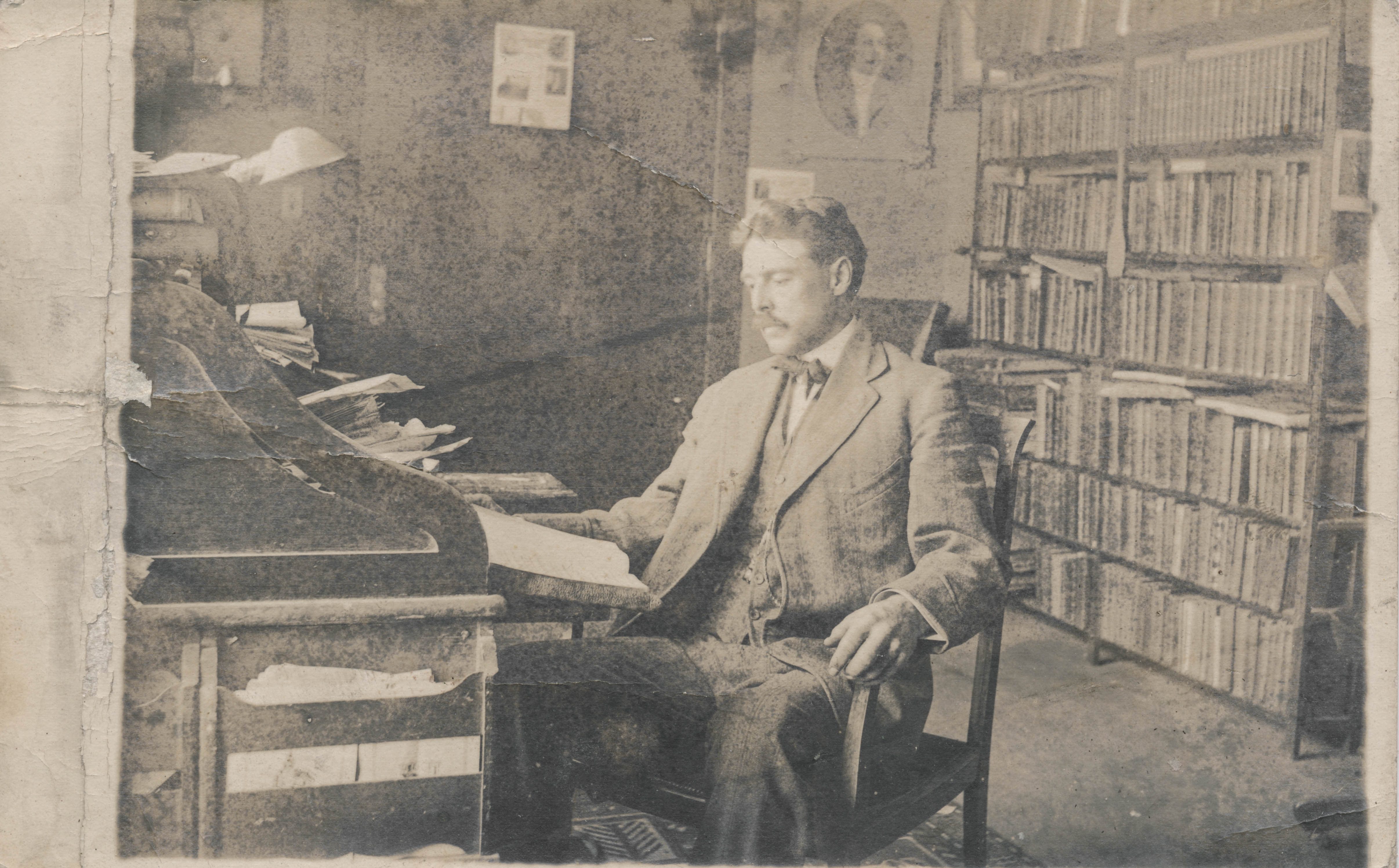
How To Digitise Your Photos
Your book needs some images to break up the writing. But how will you digitise your photos from those old albums? Find out how to get the best results here.
This is the sixth part of our 'Ultimate Guide to Writing a Memoir.'
To access the rest of the guide, click here.
Want to break up your writing and add an element of visual context with old photographs? Here’s where you’ll learn how to successfully scan your images onto your computer in a quality you’ll be happy to include in your book.
There are a few different ways you can digitise your photos, each with their own set of pros and cons.
1. Don't just use your smartphone camera.
The quickest and easiest method of digitising photos is to snap your prints using your smartphone. This may be efficient, but results will be mediocre at best. Most smartphones use flash, and most photographs are glossy. This doesn’t make for a perfect match, and your images will capture the glare of the flash, or - even better - your reflection. Even if you can work around this problem, your images will not be properly cropped, may be distorted, and are likely to be low-resolution and poor quality.


2. Use a dedicated scanning app.
You can do slightly better with your smartphone, if you use an app dedicated to scanning prints. One app that stands out from the rest is Google’s free PhotoScan app. All you need to do is position your smartphone over the photograph, and the app does the rest.
You’ll see four dots appear on the image, which will inform where you position the camera for the scan. With almost as little effort as just using your smartphone’s camera, this app eliminates glare and automatically crops your image to the borders of the photograph.
Each scan takes roughly 10 seconds. However, the quality still leaves a lot to be desired, when compared to a purpose-built scanner.
3. Use a scanner.
If you have your own scanner, or you can source one from a friend or family member - great! Simply put the photographs you want to digitise through the scanner (depending on whether you’re using an auto feed or flatbed scanner) and wait whilst the images are processed. Using a scanner can be time-consuming and fiddly. Make sure there’s no dust on your photographs or the scanner bed - you don’t want that in your book!
If you want to reproduce your photographs at the same size as the original prints, you’ll need to scan at a minimum of 300 dpi. Your photos will need to be scanned at 600 dpi to print double the size, and so on. 600 dpi is recommended, otherwise they’re going to look pixelated and blurry. No matter how high quality the scan, if the image itself is blurry or lacking in detail, you may still be disappointed by the results. In this instance, you can have the photo altered in Photoshop, but there are limits. It’s also a good idea to caption your images, so readers know who is in them, and when and where they were taken.
4. Get professional help (recommended)!
If you’re pressed for time and short of patience, or if none of the alternatives are an option, there are several companies that provide photo scanning services. All you need to do is send your photos, and they’ll do the work for you - for a fee, of course!
Read Chapter 7: Designing and Printing Your Book

Writing a Memoir: An Overview
A summary of key takeaways from our ultimate guide to writing a memoir.
1. Organising your memories: Key points to remember
It’s important to gather all your information before you start writing, so you can plan your story and know what you’re going to talk about.
- Use our memory prompts to recall forgotten information about your life.
- Record your information in an organised format so you can easily decide what to include in your memoir. We suggest using our timeline.
2. Structure your life story: Key points to remember
There are many different ways to structure your story, and you don’t have to write chronologically. Here’s a quick overview of the methods we go through in Chapter 2:
- The chronological approach: start at the beginning, and tell it how it happened step-by-step.
- The basic three acts: split your narrative into the setup, the confrontation, and the resolution.
- Freytag’s pyramid: slightly more complex than the basic three, Freytag’s pyramid consists of five stages. These are the exposition, rising action, climax, falling action, and resolution.
- In media res: starts in the middle of the story, right at the height of the action.
- The hero’s journey: this is one of the most popular methods of storytelling. It’s quite complicated, so take a look back through Chapter 2 to find out more.
3. Writing (the nitty gritty!): Key points to remember
This chapter covers two key areas: finding the time to create a habit out of writing, and developing your own unique style.
- Set S.M.A.R.T (Specific, Measurable, Attainable, Relevant, and Timely) goals to structure your writing habit efficiently.
- Your writing needs to sound like it’s something you would say. Get feedback to make sure your writing “sounds like you”.
- Think about the books you like to read. If you aren’t engaged with your story, it’s unlikely anyone else will be.
- Be honest with yourself. Who are you writing a memoir for? You need to keep your audience in mind at all times when writing. Is this something they are going to want to read?
4. Overcoming writer's block: Key points to remember
Writer’s block can affect anyone - it’s a popular name for that moment when you are in the midst of a project, but you lack the inspiration or drive to write another word. Here are some ways to overcome writer’s block:
- Take a break: Read a book or draw a picture. Go for a run. Do anything that will take your mind off writing, and then go back to it feeling fresh.
- Change your environment: if you’re used to writing at your uncomfortable, dimly lit desk at home, why not try seeking inspiration elsewhere? Go to a local coffee shop or library.
- Free write: set a timer or a word limit and write anything. Forget about grammar or plot or structure. Just write.
5. Editing and proofreading your book: Key points to remember
Editing involves making sure your ideas are expressed logically, in a clear and coherent narrative.
- Read through your written memoir from start to finish before you make any major editing decisions. When you’ve done that, some questions you might want to ask yourself as you edit, are:
- Does the text make sense?
- Is every sentence relevant to the purpose of the text?
- Does each paragraph contain one idea?
- It is important to ask a trusted friend, family member or even a professional editor to provide feedback. They could point out a fundamental error that you might have missed, or amend part of a story you remembered incorrectly.
Proofreading comes after the editing process, and is more about language. It involves checking over spelling, punctuation and grammatical errors, as well as format.
- Make a list of common mistakes to look out for within your text. If you often misspell specific words, jot them down and keep an eye out whilst you proofread.
- Read out loud to spot errors and run-on sentences that reading silently risks missing.
6. Digitising your photos: Key points to remember
There are a few different ways you can digitise your photos, each with their own set of pros and cons.
- Using a smartphone: this is quick and easy, but the results are adequate at best.
- Using a dedicated scanning app: Google’s free PhotoScan app is better than a smartphone’s camera, but still leaves a lot to be desired.
- Using a scanner: if you or a friend owns a scanner - great! Scanners produce great results, but the process is very laborious and time-consuming.
- Get professional help: this is the best and most reliable way to digitise your photos. If you don’t have access to any of the other options, there are plenty of companies that offer scanning services that will digitise your photos. All you need to do is send them in.
7. Designing and printing your book: Key points to remember
We recommend you leave a lot of the design process to the professionals. If you would like to have a go yourself, here’s what you need to think about:
- What typeface do you want to use? Serif or sans serif?
- What size book do you want to end up with? A5? A4? Square?
- How many photos do you want to include?
- How many copies do you want to order?
- Hardcover or softcover? Full colour or black and white?
- How much will shipping cost?
8. How to make your book cover stand out: Key points to remember
Designing your book cover is an important part of the design process when it comes to writing a memoir. Again, we would advise that you consult a professional designer, but we’ve provided some tips and common themes within book cover design if you want to have a go yourself.
- Keep it simple: your cover doesn’t have to be extravagant, just eye-catching. Use relatable imagery or clever typography to draw potential readers in.
- Use photography: if you’re unfamiliar with design software, why not experiment with a camera?
- Design for your genre: whether or not the theme of your memoir is romance or thriller, or entirely unique, there are certain thematic structures you can use so the audience knows what to expect. For example, book covers for romantic stories tend to depict a couple and use muted pastels.
We can help!
If this all seems like an awful lot of hard work, that’s because it is! But don’t worry. This is where we come in.
Story Terrace is revolutionising the way we think about our heritage with a simple idea: a biographer for every person. We match you with a carefully chosen professional writer, who will conduct in-depth interviews and ultimately, write your story. Your beautiful, hardcover, full-colour books will be delivered to your door, and you don’t need to worry about a thing - because we’ve got you covered!
Whether you’re looking for a writer, or you just need a little help editing - contact Story Terrace for more information about how we can help with your story today.

How To Make Your Book Cover Stand Out
You shouldn't judge a book by its cover. You shouldn't, but you do. Find out how to make your book cover stand out with these useful tips.
You shouldn’t judge a book by its cover. You shouldn't. But you do.
As well as catching your reader's eye, your book cover should reveal something about your story. The tone of your cover should match the tone of your book.
So how do you make your book cover stand out?
Keep it simple.
Find one component within your story to focus on visually for your book cover. Don’t try and illustrate the whole story in a single picture.
Equally, simple book covers translate better into thumbnails. This design on Bad Teeth, written by Dustin Long, translates especially well into a thumbnail because the books in the image, combined with the used, look - the title suggests - like bad teeth.

Be relatable.
Using familiar imagery is one way to connect with your readers whilst hinting towards the storyline. It isn’t compulsory, but it’s a great way to catch your reader’s eye.

Take a look at this minimalistic cover for Against Happiness, written by Eric G. Wilson. The designer, Jennifer Carrow, plays on the traditional yellow acid smiley face to create the suggestion of a frowning face.
Use typography.
Your book cover doesn’t have to use detailed imagery to attract potential readers. Clever use of typography can be just as engaging and eye-catching, if not more so.

This designer’s take on the famous story of Jaws uses typography - the tip of the A in the title - to illustrate the shark’s fin. Simple, effective and eye-catching.
Use photography.
One way to avoid amateur graphic design is by using photography. You’ll still have to carefully consider your composition as well as the typography that goes with your image, but it may allow for a little more creativity if you aren’t confident graphic design.

This beautiful cover designed by Jason Ramirez uses photography to create a compelling cover that captures traditional still life to depict the early years of author Gabriel Marquez’s life, written by Ilan Stavans.
Choose a professional design.
If you’ve acquired the assistance of a graphic designer to create your book cover, lucky you! You can leave it to them. However, if you’re designing your cover yourself, you need to make sure the finished product still looks professional - and not amateur. Have a look at what’s out there, and try to feed what inspires you into your design. If you aren’t a graphic designer, it’s best to keep your cover as simple as possible.
Design for your genre.
What is the theme of your life? Is your story a suspense-filled thriller? Or is it brimming with romance? Whatever your genre, your book cover needs to fit its mood and style.
Romantic stories: if you’ve lived a life of romance, the traditional cover will show two people (the lovers in the story) connecting in some way. There are numerous different ways of showing this, so get creative, keeping in mind that romantic imagery tends to use softer : lilacs, pinks golds. This can be seen on the cover of Nicholas Sparks’ romantic novel, Dear John, notably conveying romance through two horses rather than people.

Mystery: for your mysterious story, play on perspective, don’t give everything away and focus on the title, with angular serif typefaces. Making what the potential reader is looking at somewhat unclear will add to the sense of mystery. These stark and edgy designs are commonly in high-contrast , with red to allude to danger. The Girl on the Train by Paula Hawkins uses typography on top of a blurred background to suitably convey the feeling of being on a train, whilst giving nothing else away. Mysterious.

Miscellaneous: none of the above quite fitting the bill? It’s difficult to pigeonhole the rest into specific themes because they are all so vastly different. Books, obviously, can vary extensively - as can book covers. These book covers don’t have anything in common, but they are all eye-catching, engaging and make the potential reader want to know more.
Write an engaging blurb.
Your captivating design has engaged the potential reader and done its job of getting your book into their hands. Now, all you need is a blurb that really hooks the reader, so they can’t just put it down! Like the cover, your blurb needs to reflect the tone of your book. If the blurb is funny, the reader will expect the book to be funny. Introduce the protagonist, the plot and then entice the reader with an emotional hook that alludes to the characters’ journeys and what they stand to gain or lose.
Give a sense of the story and tone in a clear and concise few paragraphs that are easy to read, and there’s no reason why the potential reader will put your book down until they’ve turned the last page!
these hints and tips have been helpful. Don’t be afraid to stray away from the conventional and come up with something different. Have a look through your book covers and see if you can incorporate any ideas you come across into your own cover.
Read Chapter 9: An Overview

Organising Your Memories
Organising your memories is the first step towards writing a memoir. Use our memory prompts and timeline to kick-start writing your memoir.
This is the first part of our 'Ultimate Guide to Writing a Memoir. 'To access the rest of the guide, click here.
Welcome to Story Terrace's ultimate guide to writing your memoir. We've helped hundreds of people to capture their life stories in beautiful books, written by our professional ghostwriters. Now we're sharing some of our expertise to help you along your journey.
You may be halfway through writing your memoir - or right at the beginning. Either way, you've probably found it a challenge to recall and organise all the memories that make up your life story.
To help, in this chapter we are sharing two resources: a set of 65 Memory Prompts we use with our customers to kick-start the process, and a Timeline Template you can then use to organise all the information.
You can access the two resources by following the link below:
Email Memory Prompts + Timeline template
We'll email you the memory prompts right away, and send you the timeline template once you've had some time to do the first exercise. If you want to access the timeline immediately you can find it here.
Using these resources
Memory prompts
Whether you are writing yourself, or working with a ghostwriter, it can be hard to know where to start and what to include. At Story Terrace, we often use memory prompts to kick-start the process - easy and fun questions designed to jog your memory and bring back moments you haven't thought about for years.
It's the perfect first step, and something you can later assemble into a timeline or structure for your story. We’ve hand-picked 65 of our favourite memory prompts to share with you.
Remember - you don't need to answer every question. Just scan through the list, and think about which of these prompts speak to you the most. You’ll soon find you have more than enough to talk about.
Timeline
If you’re writing a book about your life, creating a timeline is an essential step. While your story is based on your own experiences, it’s easy to forget important moments — unless it is all laid out clearly in front of you. A timeline provides clarity and structure for your life story.
Once you’ve gathered all the information you need, it’s time to start organising your memories by filling in your timeline.
Our timeline template is separated into 'key events' on the left, and 'connecting stories' on the right. Key events are the major tentpoles of your life story - so brainstorm those first (using our memory prompts as a starting point). Once you've filled those in, start fleshing out memorable stories and anecdotes from these periods in your life, in the 'connecting stories' section.
What you’ll come away with is a complete overview - making it easier to identify themes and get creative with your structure, which you can learn more about in the next chapter.
All done?
Congratulations, you’ve taken a big step towards writing your memoir. Your key events will help you to inform your decisions regarding chapters and structure, potentially becoming your chapter titles, with the details becoming your chapter content.
Want to take it to the next level?
If so - ask yourself, how do you feel about what’s in front of you? Are any themes starting to emerge? Try labelling or highlighting your timeline to bring out the common threads.
Now Is The Time To Share Your Story
StoryTerrace is your book production partner, including all ancillary activities from high-quality professional writing and editing to design, printing and publishing.


