
Discover The Stories StoryTerrace Help Share.
Explore inspiring stories, expert tips, and the latest trends in personal biography creation on our blog.

How to Write a Book About Your Life: A Guide That Works
Seven honest steps from a team that's helped thousands of people write their life stories. What works, where people stall, and when to get help.
What Is a Ghostwriter? Meaning, Definition & How It Works
A ghostwriter writes books and memoirs credited to someone else — including most celebrity autobiographies. The full meaning, and how it really works.
How Much Does a Ghostwriter Cost in 2026? Real Prices
How much does a ghostwriter cost? From £999/$1,200 for a short book to £60K+ for a premium memoir — real 2026 prices, not vague ranges.
How Long Does It Take to Write a Book? Real Timelines
How long does it take to write a book? Real timelines: 6–12 months solo, 6–9 months idea-to-print with a ghostwriter. Stage-by-stage breakdown inside.
Memoir vs Autobiography: 5 Key Differences (With Examples)
Memoir vs autobiography explained in plain English: 5 key differences, a comparison table and famous examples so you know which one to write.
.webp)
Browse all articles

Press Release: StoryTerrace Launches Unsung Heroes Maggie's partnership
Launched in May, StoryTerrace is running a national campaign to nominate your community’s unsung heroes of the pandemic.
Memoir-writing service StoryTerrace honors the unsung heroes of the COVID-19 pandemic
Showcasing the incredible stories of the nation’s everyday heroes during lockdown
With just two weeks remaining in the 'Unsung Heroes' campaign, leading biography StoryTerrace encourages communities to highlight local acts of kindness
To view all the Unsung Heroes submissions, visit the microsite: storyterrace.com/unsung-heroes

In the past two months, countless stories of everyday heroism and unselfish acts have not only lifted the spirits of the nation but kept communities going through some extraordinarily tough times. Unsung Heroes aims to bring to light the everyday acts of kindness that have characterized this lockdown, from saving lives to feeding a neighbor’s cat while communities recover.
Over 400 nominations have revealed some truly inspiring stories from every facet of society; countless frontline workers, a professional chef feeding teachers and children at a local elementary school, and small business owners that have shifted production to masks and scrubs for medical workers.
The national biography-writing service will be creating a book, compiling the nation’s everyday heroes and their unique stories of selflessness, and creating a website to showcase all those nominated at storyterrace.com/unsung-heroes.
Of the submissions, 25 amazing Unsung Heroes will be gifted with the final book, within which, their stories will be captured as part of a national keepsake.
The submissions will use an image of the nominee alongside a small paragraph of text explaining their story posted to social media, accompanied by the hashtag #UnsungHeroes and collated by StoryTerrace. The campaign allows anyone to nominate someone in their life who has gone above and beyond to help others– these could be nurses, doctors or even simply good samaritans.
How it Works
Anyone can nominate a hero on StoryTerrace’s website: storyterrace.com/unsung-heroes
Alternatively, entrants can post on their Instagram, Facebook, or Twitter by using the #UnsungHeroes hashtag and @StoryTerrace handle. The campaign is open for entries until June 30th, and StoryTerrace will announce the selected nominees before the end of July. All the entries can be found on the website.
StoryTerrace's ‘Unsung Heroes’ campaign has helped motivate community members to share the stories of heroes of the COVID-19 crisis.
Rutger Bruining, CEO and Founder of StoryTerrace comments:
“As millions around the globe are currently stuck at home, many of us are feeling nostalgic and reminiscing – and at StoryTerrace, we believe that sharing stories can be one of the most therapeutic ways for us to connect in this difficult time. Through StoryTerrace, I have learned that above all, a sense of community is vital for our mental health and well-being—and preserving and reminiscing on our own life stories is so important to our happiness. Documenting memories and the emotions attached to them allow us to share and reminisce on our personal tales – and everyone has a story worth sharing.”
About StoryTerrace
StoryTerrace is a company which connects everyday people with professional ghost-writers, meaning that everyone can have their life story, or the life stories of their loved ones, documented in a professionally curated autobiography, biography or series of memoirs. They have a network of 600 professional writers worldwide, many of whom are critically acclaimed, and provide a range of packages to suit each individual life story.

StoryTerrace's BookMaker platform - which includes a questionnaire - helps turn stories into books
StoryTerrace has previously made the first part of their service (a tailored questionnaire) available for anyone stuck at home who would like to get started on their life story for free. But having been overwhelmed by the acts of kindness and selflessness from around the country during this time, they have decided to pay tribute to these heroes through the ‘Unsung Heroes’ campaign.
If you would like to hear more about our Unsung Heroes campaign, please don't hesitate to contact us: press@storyterrace.com

How to Pick a Great Title and Cover Photo for Your Memoir
Your title and cover photo are the first thing that the reader will see before they open your book. Our Editor gives her top tips on how to present your book to the world!
Your memoir is the story of your life, complete with all its twists, turns, ups, downs, surprises, and triumphs. It’s an important book, both to you personally and to the friends and family who will read it in the years to come.
To celebrate the launch of the BookMaker - our unique in-house platform that we use to create all of our personalized biographies - we are opening up a free version of our questionnaire and book Cover Creator tool so that you can have a start on putting your story together.
That’s why it’s smart to spend some time thinking about the first things a reader will see when they pick up your book: the title and cover photo.
These two things together should sum up your story, while also inviting the reader to open the cover and dive into the narrative of your life. That’s no small job! So how can you go about selecting the perfect title and photograph to present your book to the world?
Your Title
Whether your memoir is 5,000 words or 50,000, the title has to encapsulate it all. Here are some tips for making that happen:
Keep It Simple
It’s tempting to try to cram all the highlights from your memoir into your title. After all, you want to draw in your reader with all the most exciting parts of your story, right?
With a title, though, you should aim to capture the feel of your book without giving everything away. Keep your title relatively short, and focus it on a single concept or idea. StoryTerrace memoirs Reflections at 80, Born Different and Totally Driven are all great examples of titles that sum up a story without any risk of spoilers.

"When it comes to a title, the simplest and most obvious is always best, something that sums up the essence of your story and feels familiar to your loved ones. Much like the photo you choose for your front cover, the title will have often been with you throughout your life ..." - StoryTerrace Editor Beth Williams
Match the Tone
What’s the tone of your memoir? Is your book about a life full of laughter, or is it about overcoming challenges? Will it make readers laugh or bring tears to their eyes?
The tone of your title should match the tone of your memoir so that readers know what kind of journey they’re about to embark on. If your book is funny, make your title amusing too — but avoid a jokey title if your memoir is more serious or inspiring.
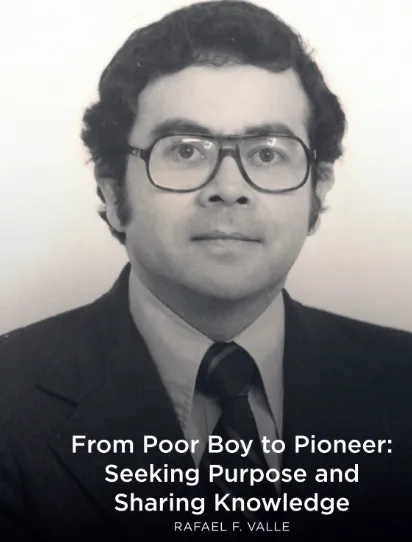
A Two-Parter?
You want your title to sound good, but you also want it to tell readers what to expect. Packing both into a short title can be a difficult task. So why not break your title in two?
Start with something punchy and short, then add a longer explanation. Patricia Coburn did this with her StoryTerrace memoir, Between Barbed Wire: Melodies of Survival & Songs of Forgiveness.

Find Inspiration
If you’re stuck for ideas, take a look at the titles of the books on your bookshelf. Which ones do you like the sound of? Jot them down and see if you can adapt them to fit your story.
Of course, when writing your memoirs with StoryTerrace, you don’t have to brainstorm alone! Ask your ghostwriter to help you craft the perfect title.
Your Cover Image
Now that you’ve got your title, you need the perfect cover photo to accompany it. But how do you pick the right one from what might be hundreds of photographs on hand?

“A great cover always starts with a meaningful photo. Often you will have loved and cherished this photo your whole life ..." - StoryTerrace Editor Beth Williams

Portrait or Landscape?
Most books are laid out in portrait rather than landscape; that is, they are typically taller than they are wide. Does this mean it’s always better to choose a portrait picture for the cover rather than a landscape one?
Yes and no. If you want your picture to occupy the entire cover, a portrait image is ideal, but landscape photographs can also be used. Designers can crop images, supplement them with other elements, or even wrap them around the entire cover.
So while it’s good to keep the orientation of your photo in mind, don’t worry too much if it’s not book-shaped. The most important thing is to make sure it’s evocative and high-quality.
A High-Quality Image
You want your chosen image to look great when reproduced in print. That means having a high resolution — a high number of pixels or Dots Per Inch (DPI). 600DPI is a good resolution to aim for.
That’s easy if you’re scanning in an old photograph — just select a resolution of 600DPI or higher on your scanner. Some old digital photographs, on the other hand, might be too small or too low-resolution to look good on the cover of your book. These might be better off on one of the interior pages instead.
Action and Drama
Once you’ve narrowed down your selection to a few high-quality images, great! Now you’ll want to pick one that is dramatic, interesting, and lively.
If your cover image is a picture of you, you might consider choosing an image in which you’re laughing, or a picture taken on a particularly momentous day in your life. You might even select an old photo that evokes a feeling of happiness or nostalgia.
Particularly if looking through pictures of yourself, it can be difficult to “read” the mood of an image. Showing your shortlist of pictures to friends and family (or to your StoryTerrace ghostwriter) can help you work out which one suits your memoir best.
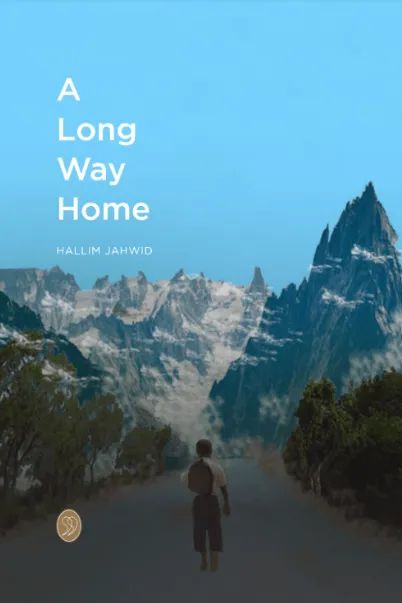
Ideas
Still stuck for ideas? Why not take a look at these inspirational covers, or take a look at your own bookshelf for some ideas of what looks good when it comes to a cover image.
Help Is at Hand
If your head is buzzing with ideas for great titles or cover photos for your memoir, great! But don’t worry if you’re still having trouble. You can bounce ideas off your StoryTerrace ghostwriter or consult the design team at StoryTerrace for help with selecting an outstanding cover photo.
In fact, StoryTerrace is here to help you at every stage of the memoir-writing process. Our goal is to help you put your story into a book that you can be proud of — title and cover image included.
If you would like to make a start on your life story, you can create a free account on our BookMaker platform, to access our life story questionnaire and design your very own book cover - for free!
The link to sign up for free: www.storyterrace.com/free-questionnaire
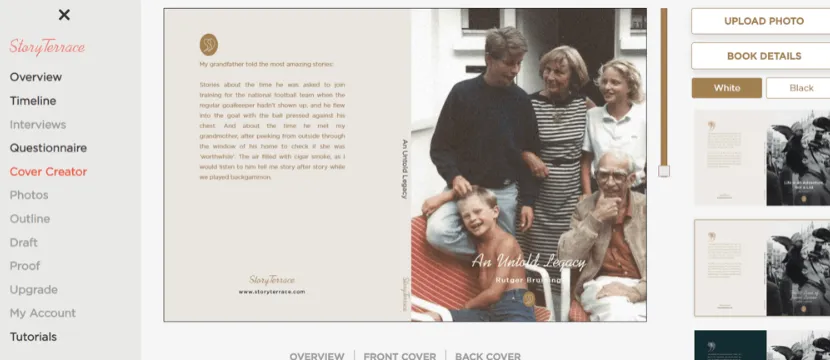
Our Founder Rutger tried out the Cover Creator - here's his mock-up book "An Untold Legacy"
Are you thinking about writing your memoirs? Do you already have some ideas? Get in touch to arrange a chat with our friendly team to see how we can help. Or join our mailing list for more expert guidance from our in-house team!

Meet "The Dragon": An Interview With German Lam
German Lam fought cancer and won. Read his incredible story of resilience here.
Born in the Chinese Year of the Dragon, Chef German Lam is full of fire and light. He takes seriously his role as a dragon, identifying strongly with this powerful, mythical king of all animals. German is intense, a natural talker who wants to make sure that you get exactly what he’s trying to tell you.
And the thing is, what he wants to tell you just might save your life — or at least make it more worth living.
I had the pleasure of speaking with German about his transition from top professional chef to entrepreneur, his battle with cancer, his philosophy of life, and his plans to help others with their own health struggles. He’s a passionate crusader, and his enthusiasm for better living through eating is impossible to deny.

The cover of German Lam’s StoryTerrace autobiography
The "freestyle lifestyle" creator was born in Santiago, Chile, to parents who had emigrated from China. He developed his knowledge of fine cuisine from his father, who managed a butcher shop, and carried those lessons with him as the family moved to Brighton, Massachusetts, in 1970. German’s parents wanted to give their children the best opportunities that an American life could offer.
For his part, German worked hard to build his career as a chef, serving at five-star restaurants in the Ritz-Carlton Hotels of Cleveland and Boston. He also started Glam Foods, a food coaching business with a mission to teach people to eat well and live healthier lives. In this program, his students began cooking creatively by using whatever ingredients were at their disposal to make satisfying meals — a method German has coined as "freestyle cooking."
Chef Turned Author
German first discovered StoryTerrace while reading an article about rule-breaking businesses on the Virgin blog. A huge fan of CEO Richard Branson, German was looking for a little inspiration to fuel his own entrepreneurial spirit. "Everyone wanted me to write a cookbook," he says, "but life’s timing is crazy."
That’s because, at the age of 53, while seeking treatment for what he thought was an ear infection, German was diagnosed with nasopharyngeal cancer, a type that is located at the back of the nose.
Instead of giving up on his book, he changed gears: "Cancer changed my whole philosophy. I knew I could put my power to good use helping others."
Although devastated to discover the shocking news, he knew at that moment that it was time to let the "dragon" out from within him to fight this cancer. He also knew that, like water, he had to adapt to and accept the situation, hence his book title - The Dragon Turns To Water with a Freestyle Lifestyle.
To that end, German set about telling the story of his diagnosis, treatment, and the ways he learned to cope with his illness. His goal in writing was to provide inspiration and support for others going through the same battle.
LISTEN to German Lam read an excerpt from his book describing his cancer and its treatment:
https://w.soundcloud.com/player/?url=https%3A//api.soundcloud.com/tracks/808834894
Everyone Needs a Coach

German with his friend John Quackenbush, a cancer researcher
The biggest lesson German learned during his cancer treatment was simple yet profound: We need others.
German, a husband and father, is surrounded by a caring family, yet he quickly realized that he couldn’t rely on them alone for help. They were fighting their own battles, because German’s illness affected them, too. And, try as they might, they just didn’t know what it felt like to be unable to eat or do any number of life’s most basic tasks.
But life has a way of putting the right people in your path. German met John Quackenbush because their sons practiced Taekwondo together. They got to know each other as fathers first, but when German learned that John was a Harvard professor and cancer researcher, the two had an immediate bond. John helped German navigate through some of the most difficult times during his treatment. "He’s my brother for life," German says.
Food for Healing

German relied on carefully researched homemade smoothies when he couldn’t eat full meals
Because German’s cancer affected the nose and throat, the radiation treatment targeting these areas left him unable to eat. He was often in incredible pain as the powerful radiation led to sores on his tongue and mouth. "Treatment changes your whole system," German explains. "I knew I needed nutrients, or I would need a feeding tube."
As a chef, not being able to eat was a serious blow, as it took away one of German’s main joys in life. But he also used his extensive knowledge of food to create nutritious smoothies to stay nourished during his treatment. "There’s a reason behind every single ingredient," he explains. "Now I can share what I learned with others so they can nourish their body when it’s being attacked by cancer and radiation."
Being a family man, with a wife and two sons, when he was no longer able to cook himself, he taught them.
Lessons in Food

Ingredients for Chinese dumplings, a dish German taught his son to make when he was too sick to cook
At his lowest point, German wasn’t well enough to eat or strong enough to cook. One day, he walked his 17-year-old son Jonathan through the process of making dumplings. These complex little packets require careful folding to complete — patience and finesse that aren't exactly in a teenage boy’s wheelhouse of skills.
Still, German spent the day coaching his son. German couldn’t taste the filling, but he taught his son to do the tasting for him to make sure the flavors were perfectly balanced. "I’m relying on you to be my hands and to figure out when it’s just right," he said.
When they were done, German’s son had achieved a beautiful dish. German himself wasn’t able to partake, but he was very proud.
"Eating is so basic to life. It helps you grow and think," says German. "You need training to explore new foods, just like life, so that when something you rely on is gone, you have a lot more options to choose from to replace it in your life. Eating develops your personality."
His family was able to provide the food that German fell in love with, but they also supplied the love and support that he needed to pull through.
The Dragon Turns to Water

German and the proton radiation team at Massachusetts General Hospital
German’s radiation treatments required him to enter the depths of the radiation machine, a notoriously claustrophobic place. To add to the sci-fi creepiness of the experience, he also had to wear a mask and a special mouthpiece to protect the delicate skin in these areas from burns.
During his first session, German says he "went stir-crazy" and began to hyperventilate. The staff asked if he wanted to take some medication to help him calm down.
"No way!" he answered. "All medicines come with side effects, and I just didn’t want that. Instead, I knew I had to become like water. Just let go and flow."
Ringing the Bell

German with Laurie Frank of the radiation oncology team
At the end of radiation treatment, patients at Mass General ring the bell to announce that they have completed one of the hardest things they’ll ever go through. It’s a major milestone, and one that German couldn’t wait to achieve.
Still, the moment wasn’t quite what he had imagined. By the time he got there, he had been through so many physical and mental trials that he knew he would never be the same person that he was before.
"You always focus on the end, on ringing the bell. But there’s a lot of agony to get there. With cancer patients, you don’t always hear about the darkness, but it’s there."
On October 3, 2017, the cancer tumor had been successfully destroyed and German was given a clean bill of health. Still facing a long recovery period, it is German’s positive attitude, his support system and, of course, the dragon spirit inside of him, that keeps him hopeful every day in his life.
German likens his experience of treatment to Ash Wednesday. "Part of me on the inside is dead, is ash, but I still carry it with me."
In writing his book, he wants to let other cancer patients and survivors know that it’s okay to feel this way. You can’t be the same person you were, but you have been given an incredible gift.
"You have a second chance at life," he says. "So how do you want to live it?"
Do you have a story of overcoming a challenge that might inspire others? StoryTerrace can help you share it with the world! Get in touch to find out more about writing your memoirs today. Sign up for our newsletter to hear more real-life stories from our inspiring clients.

Technology as a Bridge: Our Writer's Guide to Remote Video Interviews
StoryTerrace writer Jenn Upton describes how easy and effective it is to conduct remote video interviews during the Coronavirus pandemic, and gives an insight into her own experiences with clients.
For Senior Writer Jenn Upton, video calling can enable her to build a connection with her clients in much the same way as face-to-face interviews. Here, she shares her personal insight and top tips for preparation for your interviews.
Technology has played a significant role in my life.
Eight and a half years ago, I arrived in London with nothing but a laptop, a student visa, and one bag of clothing. It was the second big move in life. The first was from my small hometown in upstate New York to Los Angeles in my early 20s to find work in the film and television industries.
It was the late 90s, and although we had the internet, there were no video conferencing apps available yet, nor tablets or smartphones. For the next five years, I had to keep in touch with loved ones via good old-fashioned landline communication. Over time, the technology evolved, allowing me to see my mother and my “sister” Sammy, the cat I left behind when I moved away. The first time she joined us on a Skype call, she head-butted the camera and purred her heart out. For years, Mum and I spent every major holiday greeting each other through a screen, settling in with a nice cup of tea. When Sammy passed away at age 17, we cried together, 3,000 miles apart.
I’m a writer in London now, having joined the StoryTerrace writer pool in 2017. Until recently, a big part of the job involved meeting with clients in person, getting to know them and recording their stories to create the perfect book for their loved ones. That all changed with the outbreak of the coronavirus. Many people are self-isolating, including those considered high-risk like myself. Once again, technology has bridged the distance.

Getting ready for one of my client interviews with StoryTerrace from home
As an asthmatic, it gives me peace of mind to know that I can avoid public transportation and hopefully stay healthy while still maintaining a warm working relationship with my clients from the comforts of my flat in Southwest London.
As with anything, preparation is the key to success. There are a few things I do to ensure a smooth meeting.
Preparation
A day or two before the meeting, I make sure the client is familiar and comfortable with whichever software we will be using. There are plenty of options available, depending on the customer's level of technical knowledge.
If they need to download and install something and don’t consider themselves tech-savvy, I ring them and walk them through it over the phone. Most of the apps are easy to learn.
Aside from the technical concerns, I also reassure my interviewee that an online meeting will be just like being there with them.
My Top Tips for Making the Most of Remote Interviews
- Set up a peaceful environment. Close all doors and windows, and turn noisy devices like fans off. This will eliminate as much background noise as possible. Ideally, set up your seating area in a well-lit location.
- Make yourself presentable, just as if it were an in-person meeting. For audio-only calls, I wear my standard work-from-home uniform: a Ramones t-shirt and ripped jeans.
- Prepare any notes or questions you have in a separate window on the computer. If the screen isn’t big enough to navigate between the meeting and a document easily, use hard copies. Have a notebook and pen ready.
- Make a cup of tea and relax. Your writer will guide you, so don't feel that you have to remember everything about your life instantaneously.
- Expect the unexpected! Remember the video of the little girl bursting into her father’s video call on BBC News last year? No matter how many times you see it, it never gets old. If a dog or child interrupts, it’s another way for a writer and client to get to know one another. Once, I conducted an entire in-person interview with a cat on my lap, and another time a Scottish terrier named “Wee Girl” beckoned me to a game of fetch. An occasional intrusion makes the process more fun for everyone.
The interrupted video call interview on live TV news that went viral:
https://www.youtube.com/embed/Mh4f9AYRCZY
In the space of a week, I’ve done two video calls with clients. The first was with Sukhdev in Hounslow, the second with Francois in Chiswick.
The experience wasn’t much different from meeting someone in person. With Sukhdev, the main difference involved descriptions of individuals and locations from his past. In person, this would elicit a presentation of a family photo album or framed pictures from the mantelpiece. Since this wasn’t feasible, we engaged in a comprehensive conversation about the height, idiosyncrasies, and clothing of the most important people in his story.

Waving goodbye to my client Sukhdev after an enjoyable and fulfilling video call!
For locations, I Googled images of each client’s home village in India and France and discovered plenty of details with which to set the scenes in their respective books.
In terms of human interaction, the dynamics were the same online as in person. We made eye contact with each other and shared our love of tea. We laughed together over funny anecdotes and quickly developed an easy rapport that grew with each subsequent meeting.
On a call with one of my clients Francois - ready to listen to his stories, cups of tea at the ready!
Just as I have with my family over the years, technology has enabled me to have warm, meaningful exchanges with the people who have entrusted me to tell their stories. Technology is a bridge that connects us during the current social isolation. We are very lucky when compared to the people who lived through the 1918 influenza epidemic: They had no internet to help them get through it.
Fortunately, we are ready, willing, and able to get through this together, with an assist from the technology at our fingertips and the spirit of friendship in our hearts.
To find out more about Jenn, check out her writer bio here.
Want to make a start on your memoirs while in lockdown? Our writers are ready to interview you remotely, through video or phone calls. Get in touch to find out more or sign up for our newsletter to receive more supportive content while staying at home.

Press Release: Free BookMaker Questionnaire & Cover Creator Launch
We have launched a free version of our BookMaker tool - with access to our questionnaire and Cover Creator - so people can start writing their memoirs as part of our Tell Your Life Story campaign.
UK’s leading biographers StoryTerrace launch free questionnaire to kick-start everyday Brits to document their family’s extraordinary life stories
As millions of us are now stuck at home, this period brings an opportunity to dial back and tune into one of the most cathartic creative outlets – writing. During this unprecedented time of social distancing, StoryTerrace introduces the ‘Tell Your Life Story’ questionnaire to allow those looking to document their story to complete the first step of StoryTerrace’s memoir-writing process for free - to give people an opportunity to reflect on their own journeys through life.
They can do this by signing up to StoryTerrace's unique in-house software platform called BookMaker. Alongside the questionnaire, users will also be able to have a go at creating their very own book cover, using the platform's Cover Creator tool.
The link to access the questionnaire and Cover Creator tool is: https://www.storyterrace.com/free-questionnaire
The questionnaire is free to complete, and the questions facilitate a deeply introspective look at the user’s own life. Regardless of whether users choose to continue on with the service, the completed questionnaire will be sent to the user so they can hold on to their personal stories. StoryTerrace believes that coronavirus confinement may help us rediscover the virtues of being together and sharing stories, and that this societal pause could be the opportunity we need to put pen to paper and document our most memorable experiences.
Nationally representative research from StoryTerrace has revealed that nearly 2 in 3 Brits feel that their parents have made life-changing sacrifices for them, and over a third believe that there are historical legacies in their family that will be forgotten if they are not discussed. It has also revealed that in times of health crisis or not, Brits have a hard time connecting with those they hold dearest - 45% of Brits learn more about their parents from pictures or speaking to other family members than directly from them.
StoryTerrace is keen to encourage people to look inward at their own trials and tribulations as well as reach out to loved ones to listen to their tales and memories. By documenting and recording the stories of your loved one’s life, not only can you preserve their legacy, but you can achieve a better understanding of the person that you are in the world today through the people who helped shape you.
Regardless of your individual circumstances, we all can be doing more to reach out to those we hold dearest, in times of health crises or not. Video calls, in particular, are a fantastic choice for people to connect on – particularly when they are isolating alone. For those of you who are staying at home for an extended period with your children, StoryTerrace ensures that putting together a biography will be an incredible trip down memory lane and a welcome distraction during this testing time.
StoryTerrace is keen to encourage everyone during this period of self-isolation to block out the outside world and be present with their loved ones by digging a little deeper and asking them about their most treasured memories and the experiences that define their life-stories.
Rutger Bruining, CEO and Founder of StoryTerrace comments:
“During the past month, we have seen an influx of requests from people looking to document their journey through life with StoryTerrace, and we believe it’s no coincidence that this has happened during a period of social distancing. As millions of people across the globe self-isolate, we are presented with a very unique opportunity for us to dedicate time to ourselves and practice some self-care. With the health crisis at hand, many of us are concerned for states of mind, but sharing stories and writing can be one of the most therapeutic ways for us to connect in this difficult time.
With the introduction of our ‘Tell Your Life Story’ campaign, we are encouraging anyone who has been thinking about writing a book or documenting their life story, or that of a loved one, to take advantage of this time and put pen to paper (or rather fingers to keys). In today's world of self-publishing, there is a very real opportunity for anyone to become a published writer. We've been very fortunate to help over a thousand of our clients write their memoirs or biographies with much success at StoryTerrace– both in and outside of self-isolation.
In order to accommodate government advice, we are offering video and phone interviews wherever necessary or requested for our service – as this is a great way to connect with your loved ones while still being mindful of their safety. Many of our clients have already successfully created beautiful books using our remote service - so we can be confident that if you choose to go down this route you will enjoy the experience and be delighted with the results. This means you can create your book with the help of our wonderful team of writers and editors without ever being in the same room. We can even send copies across the country for family and friends to enjoy at home.”
About StoryTerrace
StoryTerrace is a company that connects everyday people with professional ghost-writers, meaning that everyone can have their life story, or the life stories of their loved ones, documented in a professionally curated autobiography, biography, or series of memoirs. They have a network of 600 professional writers worldwide, many of whom are critically acclaimed, and provide a range of packages to suit each individual life story.

The interface of StoryTerrace's unique BookMaker platform includes the Cover Creator tool
If you would like to hear more from Rutger, please don't hesitate to contact us: press@storyterrace.com
Get in touch with us to find out how you can write your memoirs with our help and sign up for our newsletter for more exciting news and content.

8 Fun Activities to Try With Your Loved Ones During Lockdown
Social distancing may keep us apart physically, but that doesn’t mean we have to be isolated emotionally. Try these fun ideas during lockdown.
If you’re like most people, social distancing is keeping you from seeing family and friends right now. And that can be hard! After all, humans are social creatures, and this much alone time is pretty unnatural. In fact, studies suggest that prolonged isolation is as bad for your health as smoking 15 cigarettes each day.
Fortunately, the internet has made it possible for us to keep in touch through social media, teleconferencing apps, and more. Best of all, you can do much more than just chat with these tools. With a little creativity, a virtual party might be almost as fun as the real thing.
Try these ideas to stay connected and have some fun while you keep a safe, healthy distance.
1. Online Live Concerts and Read-Alouds
If you're a fan of social media, you’ve certainly noticed when friends "go live" by recording a video of themselves in real time. Plenty of famous musicians have been offering free concerts, for example singer-songwriter Gary Barlow, who has recorded duets with plenty of famous names including Ronan Keating and Beverley Knight as part of his #TheCroonerSessions for anyone to watch - for free.
But why not get your own family in on the fun? This is a great way for large groups to stay connected. Kids can perform skits for friends or mini-concerts for grandparents, while adults can do bedtime stories across the miles for the younger generation.
Pro Tip: Performances and readings are a great way to sneak some instrument practice or language skills into a reluctant kid’s routine.
John Legend performing alongside his family at home as part of the #StayAtHome concert series on YouTube
https://www.youtube.com/embed/I2NTcBmQkjw
A family's adaptation of a song from the play Les Miserables went viral
https://www.youtube.com/embed/DZafX_U5aqs
2. Conference Call Play Readings
For a more grown-up story time, consider gathering a group of friends to do a table read of a play. No one needs any serious acting chops to make this fun, and you can keep stage fright at bay by using an audio-only conference call app. Just choose a play — preferably a comedy! — that everyone can access online, assign roles, and have everyone call in to read. You can also have listeners dial in, too — just make sure they mute their mics.
Pro Tip: Check out this database of online scripts to get started, or choose something in the public domain.
3. Zoom Board Games
If you’re in the mood for a good old-fashioned game night, try hosting one over Zoom, or your own favorite video conferencing app. This will work best if everyone has their own copy of the board game to set up in their own house — that way each household can use game tokens to keep track of everyone’s progress where they can easily see it. If you don’t all have the game on hand, try logging into the meeting with an extra camera that’s trained on a single game board that the host maintains to mark everyone’s progress.
Pro Tip: Play around with the viewing settings on your video call - "Gallery View" works well on Zoom for example, so you can see everyone’s face at the same time.
A granddad and his grandson play chess over FaceTime during isolation!
https://www.youtube.com/embed/GNk3Jvo8E5I
4. Instagram Scavenger Hunts
You may not be allowed to roam around town, but you can still go on a treasure hunt. Create a list of items and share it with all participants, then have them post a photo of each item they find on Instagram with a hashtag dedicated to your game. This is a great idea for very large groups of acquaintances from all walks of life.
Pro Tip: Get creative with your list! Instead of just a bunch of items, try adding facial expressions to capture, video clips expressing a certain emotion, or acts of kindness for a more satisfying challenge.
5. Video Selfie Progressive Stories
Progressive stories have always been popular with kids, but you’ll find them entertaining, too. To start, the first storyteller provides the first three sentences of an original story, delivered in a quick video selfie. Be sure to end the snippet with the words "and THEN..." to prompt the next segment. Each person takes a turn adding short video to tell the story, which is guaranteed to take some unexpected turns!
Pro Tip: This works on just about any social media platform that allows you to post video responses, but a private Facebook group will give you more control.
6. Virtual Costume Party
The longer you sit at home, the more bored you’re going to get, so eventually it will pay to get really creative. Why not invite family and friends to a virtual costume party? You’ll get hours of creative time before the event to come up with the perfect costume idea to impress your "guests." You'll be able to enjoy each other's handiwork — and company — as you enjoy a virtual cocktail party, or even a sit-down dinner together, over Skype or another app. Who will win the award for the most imaginatively dressed guest?
Pro Tip: If full costumes feel too complicated, try just hosting a formal, dress-up dinner that allows you to get out of sweats and into something glamorous for a few hours. Alternatively, you can even try dressing up to do daily household chores! Whatever works for you.
A dad hosts a dinner party for his children, dressing up in his tuxedo!
https://www.youtube.com/embed/BdjCRMO5KXE
7. Dancing Through the Decades
Everyone needs exercise right now, but you don’t have to limit yourself to a walk around the block to get it. Another great use of your favorite video conferencing app? Host a dance party! Build a playlist of tunes that span the decades and get all your friends up and moving (Spotify, for instance, allows you to create playlists and find music based on the genres you like, and offers a 1-month free trial).
It's a great way for the different generations in your family to gather and share their favorite songs and decade-specific dance moves. A quick jitterbug tutorial from Grandma or TikTok moves from the kids will be fun for everyone and no doubt will bring back nostalgia!
Pro Tip: For better sound quality, the host should play the songs through their laptop and share the audio with everyone else.
If you have any musicians in the family - why not play live music for everyone on the call to dance along to?
8. Family Pub Quiz
How well do you really know your family? You can find out by putting a new spin on the classic trivia night at your local watering hole. Each participant should write a list of questions about themselves for family to answer in separate rounds of play. Go ahead and award points to pick a winner, but the real fun lies in telling the stories behind the questions. You’re sure to learn a lot you didn’t know about your family — and feel a whole lot more connected in the process.
Pro Tip: If you’re feeling inspired or amazed by the things you learn about your family during the pub quiz, be sure to write them down so you don’t lose these incredible bits of family history.
If you feel you or someone in your family has a story to tell, and share with others, why not get started on a book with StoryTerrace?
We offer a range of video and phone interview options so that you can chat about your life story with our writers from the comfort of your own home. It will also give you a creative project to talk about with your family, as you uncover memories from the past.
https://www.youtube.com/embed/hYP2KiExmoo
Get in touch with us to find out more. Or sign up to our newsletter for more ways of staying engaged while you stay at home.

Technology to Keep You Connected While Social Distancing
There are lots of ways to stay connected with loved ones, even while in social isolation. Here's a rundown of some of the best tech for you to try.
Staying in touch with friends and family during a crisis is vitally important. It can help us stay calm, share news, and look out for one another. When meeting in person is off the table, getting together online is a great substitute.
There are lots of ways to stay in touch using technology — so many, in fact, that it can be difficult to decide what’s right for you and your loved ones. Are you a WhatsApp family, for example, or better suited to regular Skype calls?
Here’s a rundown of the most popular means of staying connected, along with some key information about each. We hope it helps!
A Phone Call

This is one of the simplest ways to stay in touch! You can always just give your loved ones a call now and then. One-on-one chats are great for easing anxiety and building relationships, and they’re the social distancing equivalent of going out for a cup of coffee and a catch-up.
If your family or friends live abroad, however, you might find yourself running up quite a phone bill. If that’s the case, try WhatsApp, Facebook Messenger, or Zoom. All of these allow you to make voice or video calls for free over the internet, no matter the destination.
https://www.youtube.com/embed/QkvlYq9TazU
WhatsApp is a popular platform for neighborhood groups right now. Many people use it to share information, get to know their neighbors, and look out for anyone who is vulnerable or isolated.
To get started, all you have to do is download the free app to your phone and follow the instructions. Start a group and invite your friends and family using their phone numbers, or make a poster featuring an invite link to stick up in the lobby of your apartment building.
You can share almost anything using WhatsApp, including audio and video. You can also make voice and video calls with up to four participants.
Skype
https://www.youtube.com/embed/yoBR724IraA
Skype is the go-to service when it comes to video calls. It’s free to call anyone as long as they also have Skype; you’ll only need to pay a fee if you want to make a voice call directly to a landline or mobile phone.
Some people find Skype complicated to use. This is because different users have different types of accounts. Some will have a Skype name, some a number, and some a Microsoft account. This can make finding your friends and family on Skype somewhat tricky.
If you’re having trouble getting Skype to work for you, try Zoom instead.
Zoom
https://www.youtube.com/embed/qsy2Ph6kSf8
Zoom does the same thing as Skype, but it’s simpler to use. It’s designed for business meetings, but many people are turning to it now as a way of communicating with friends.
On the free plan, you can hold meetings for up to 100 people and have unlimited one-on-one calls, too. There is a time limit of 40 minutes on group calls, but you can start a second call immediately after the first one runs out the clock. It’s a short interruption that, for many people, is worth it to use the app for free.
Zoom requires much less set-up than other video chat solutions. If you’re having technical difficulties with any other service on this list, give Zoom a try.
Google Hangouts
https://www.youtube.com/embed/XkpjZ7oA_Qg
If you already have a Google or Gmail account, you’ll find Google Hangouts very easy to use. Don’t worry if you don’t, though, as signing up for a Google account takes only a few minutes and is completely free.
Hangouts is also free to use, as long as the person you’re trying to reach also has Hangouts. Simply send an invitation to chat by email, or link your phone to make calls. You can also start long-running conversations with individuals or groups, allowing you to share pictures and send text messages.
If you like Google Hangouts, Google has several other products that might be useful for staying in touch. Google Photos, for example, backs up all your pictures online and lets you share them, while Google Drive lets you share files.
Facebook Messenger
https://www.youtube.com/embed/YiVsDuPa__Q
If most of your family and friends use Facebook, Facebook Messenger is a good way to stay in touch. It lets you easily exchange text messages, pictures, video, audio, and other files, and also allows for voice and video calling with up to six participants.
If you’re a big family, a Facebook Group might be the way to go. Make sure it’s set to private, and then invite everyone via Facebook. You can post anything to the group, including live video. New members can be added at any time, and will see the whole of the chat history when they’re added.
Facebook is also compatible with a smart device called Portal. Portal is a simple screen with a camera that follows you around the room for hands-free video calling. Once set up, it’s as easy to use as an ordinary telephone, and so makes a great gift for someone who isn’t very savvy with technology.
Facetime
https://www.youtube.com/embed/4s1vNywzw-Q
Facetime is an app for one-on-one and group video calling. It’s very popular with iPhone users, but is not available on other devices (such as Windows computers or Android phones). Because of this, it’s only a viable way of staying in touch if all of your friends or family use Apple devices.
Stay in Touch
As you can see, there are many different ways to stay in contact with the people who matter most to you, all while remaining safely isolated. While it can seem like we’re all alone at the moment, our friends and family are still there — and some of them would probably really appreciate a chat! Why not go and start one now?
PS — If you're not quite sure how to use any of the applications listed above, the BBC has published a step-by-step guide to get you started.
Of course, we’re still here too. If you want to make a start on your memoirs while locked down, we’re very happy to use Skype, Zoom, or a straightforward phone call to conduct your interviews.
Get in touch to find out more or sign up for our newsletter to receive more supportive content while staying at home.

Creating a Book with StoryTerrace during the Coronavirus (COVID-19) Outbreak
With the coronavirus outbreak affecting many parts of the world, I want everyone to know that safety is our top concern. We have put the necessary measures
A Message from StoryTerrace's Founder & CEO, Rutger Bruining:
Firstly, I'd like to express my best wishes to anyone affected by coronavirus and my gratitude to all the brave men and women fighting this epidemic from nurses, to doctors and researchers, to cleaners of medical facilities.
With the coronavirus outbreak affecting many parts of the world, including London and Los Angeles where our offices are based, I want everyone to know that safety is our top concern. We have put the necessary measures in place and review them on a daily basis.
I also want to reassure our clients around the world that we are well set up to continue to produce books to our very high standards, and take on new clients as normal. In fact, we have never had more projects in production than we have today.
Remote Interview Service
The main change that we will be making is to arrange more interview sessions via video call or phone call. We will be offering video and phone interviews wherever necessary or requested. As part of this service, we will help you to set up your video calls and provide tips on how to create the right environment to make them as personal as a regular meeting.
Many of our clients have already successfully created beautiful books using our remote service - so we can be confident that if you choose to go down this route you will enjoy the experience and be delighted with the results. This means you can create your book with the help of our wonderful team of writers and editors without ever being in the same room. We can even send copies across the country for family & friends to enjoy at home.
As someone who leads a company with offices in Los Angeles and London, and has most of my family abroad, I am a heavy user of video calls, not the least to allow my parents to interact with our baby daughter. I can assure you that you can laugh, cry, brainstorm, problem-solve and simply hang out comfortably via video calls. I often don’t realise that I meet people physically for the first time when we have already spoken several times on FaceTime, Skype, Hangouts, Zoom, or WhatsApp.
The details of our coronavirus policy are below and show you the different ways you can continue to progress the development of your book.
Our thoughts are with those of you in affected areas. For those of you who are staying at home for an extended period, we promise that working on your book will be a great trip down memory lane and hope it will be a welcome distraction during this testing time.
Take care, and let me and my team know if you have any concerns. We are here to help!
Best regards,
Rutger Bruining | Founder & CEO of StoryTerrace
Coronavirus Policy
There is a lot of progress you can make on your book as soon as you get started. From writing down memories in our questionnaire to selecting photos. Once you are matched with a writer it is time to schedule your interviews. We have the following policy when it comes to the interviews:
1. Continuing with Interviews in Person:
If you and your writer are healthy (no cough, cold, or fever), you can continue the interview process in person, so long as that's what you both prefer and it's consistent with government advice and policy in your area. Your writer will discuss with you upfront whether you'd like to keep a certain distance, refrain from shaking hands or take any other precautions.
2. Our Remote Interview Service:
If either you or your writer would prefer not to meet in person, we recommend continuing your interviews via phone or video call.
Your editor will be able to give you guidance on getting set up for video calls and making the interview experience a unique time to reminisce and reflect.
If you aren't sure, we are delighted to offer you a 30-minute test call with your writer to try out our remote service. If you don't enjoy the test, you can wait until the situation improves and continue with in-person interviews then. Of course, the test will not count towards your total interview time with your writer.
3. Postponing Your Interviews:
You have the right to postpone your interviews, no questions asked, until the situation normalises. In the meantime, you can of course continue to add memories to your questionnaire and collect photos for your books.

Press Release: StoryTerrace Appears on BBC 2's Dragons' Den
Official press release for StoryTerrace's appearance on BBC 2 programme Dragons' Den.
US-based memoir-writing service StoryTerrace dominates UK’s version of Shark Tank with two offers of investment
- Scaling at speed across the US and UK by turning life stories into books
- CEO Story: Founder Rutger Bruining left behind a career in private equity to help everyday people tell their life stories
The world’s leading biography writing service, StoryTerrace, appeared on last night’s episode of Dragons’ Den – the UK’s version of Shark Tank. The unique service received an emotional response from the ‘Dragons’ and offers from investors Touker Suleyman and Tej Lalvani.
StoryTerrace ultimately went their own way for investment – and in the time since filming the episode, went on to secure an impressive 15 times the investments that they were offered on the show.
Founded in 2015 by Rutger Bruining, StoryTerrace has scaled rapidly, making significant inroads into the US and UK markets simultaneously with offices in Los Angeles and London. The company now boasts a stable of over 600 professional writers across the globe and has sold book projects worth over $5 million. Since recording Dragons’ Den, it has doubled its sales. Given StoryTerrace’s impressive growth thus far, CEO Rutger Bruining has demonstrated how to turn an artistic process into a scalable commercial proposition.
Much in the same way that celebrities work with ghost-writers to curate their autobiographies, StoryTerrace’s service matches professional ghost-writers to everyday people, who are often gifted the opportunity to immortalize their life story by their children. Given that a third of people say that they’ve learned more about their parents’ lives from overhearing conversations, than from speaking to them directly, it’s not surprising that StoryTerrace has proven to be so popular.
In a world of tech startups, StoryTerrace is a company with a very human story
In a scale-up arena saturated with tech startups, StoryTerrace sets itself apart as one of the few companies with a truly emotive, human value proposition. With the rise of impact investing, more investors are now taking a keener interest in the emotive impact of the businesses they invest in – in StoryTerrace’s case, the preservation of family histories for future generations. While these motivations do not replace the focus on returns, StoryTerrace represents a unique combination of a high-growth scale-up and a business which puts genuine human experience at the centre of its proposition.
Plans for scale
2019 proved to be a wildly successful year for StoryTerrace. The past 12 months have seen the company double its sales and grow its in-house team to 20 people. By the end of the year, StoryTerrace plans on growing its current pool of writers to a thousand-strong international roster of biography and memoir-writing professionals, as well as making several new hires in Los Angeles and London to accommodate the rapid growth of the company.
StoryTerrace’s unique service is inherently scalable, both as a result of the appealing service and their proprietary software. StoryTerrace records the specific requirements and desires of each client and matches them to the perfect writer for the project, ensuring a high level of customer satisfaction.
StoryTerrace has also developed its own online portal, via which customers, writers, and editors can seamlessly interact, share creative ideas and media material, and collaborate on the content of the book until the hard-cover, full-colour copies are delivered to their homes.
Rutger Bruining – CEO and Founder of StoryTerrace discusses his appearance on Dragons’ Den:
“We are all hugely proud to appear, and be successful, on a platform as prestigious and well known as Dragons’ Den. The feedback from the investors demonstrates both the significant consumer value and interest in our proposition while the two offers from such well-respected business-people show the financial viability of the idea which as a founder is incredibly gratifying.
After helping to record more life stories than ever before in 2019, we are really excited to see what the future holds. Our ambition is no less than to completely change how society captures and passes on stories. And that over the next 10 years it becomes the norm, not the exception, to have documented the life journeys of our grandparents and great-grandparents in their own words.”
CEO story: Founder of StoryTerrace, Rutger Bruining
As the Founder and CEO of StoryTerrace, Rutger Bruining has a rather incredible story of his own. Born in the Netherlands, Rutger spent a lot of time with his grandfather, who was a member of the Dutch resistance in World War II. As a young boy, Rutger adored listening to tales of his grandfather’s experiences, but he passed away before Rutger was able to record any of his stories. The passing of Rutger’s grandfather proved a pivotal moment in his life which would come back to change the course of his career forever.
Rutger went on to build an impressive academic and professional resume, earning a degree in Business Economics from the University of Amsterdam and an MBA at Columbia University with Honors, after which he became Investment Director at Arle Capital in London. Despite his budding career in private equity, he could not shake the regret of neglecting to record his grandfather’s life stories. In 2014, Rutger could not ignore it any longer and left behind his private equity career to create a platform for people to chronicle their life stories, and those of their loved ones.
Rutger credits his grandfather’s memory and the regret of his stories being lost to history as the motivation to begin what is now the world’s leading biography writing service and finds catharsis in his work, helping thousands of people to immortalize their family’s greatest stories, forever.
(Left to right) Theo Brainin and Rutger Bruining following their successful pitch on Dragons' DenIf you would like any further information on StoryTerrace or would like to speak with Founder and CEO Rutger Bruining, please don't hesitate to contact us: press@storyterrace.com
Get in touch with us to find out how you can write your memoirs with our help and sign up for our newsletter for more exciting news and content.
Now Is The Time To Share Your Story
StoryTerrace is your book production partner, including all ancillary activities from high-quality professional writing and editing to design, printing and publishing.


