
Bio
The Boy Who Would Be King
I signed my first book deal on Christmas Eve, and at the time it seemed like Santa was going way above and beyond. I had spent the previous six months pitching a proposal for Earl Greenwood, who had been beating the journalistic bushes for someone to write his story about being Elvis Presley’s first cousin and their childhood together, first in Tupelo and then in Memphis. He’d later work as Elvis’s publicist in the singer’s meteoric first years. I eventually found an agent who was able to secure a handsome advance at Penguin Inc. I thought that getting the proposal written and bought by a publisher would be the hard part. What’s that old line about God laughing?
Nine months later, after transcribing dozens of hours of conversations with Earl, and trying to revise the narrative as per the copious notes from the editor that followed every chapter sent in, it seemed my author career would be over before it had a chance to start. I had sent in the completed manuscript, and it was flat-out rejected. Fortunately, my agent had included a provision that guaranteed me the opportunity to do a rewrite.
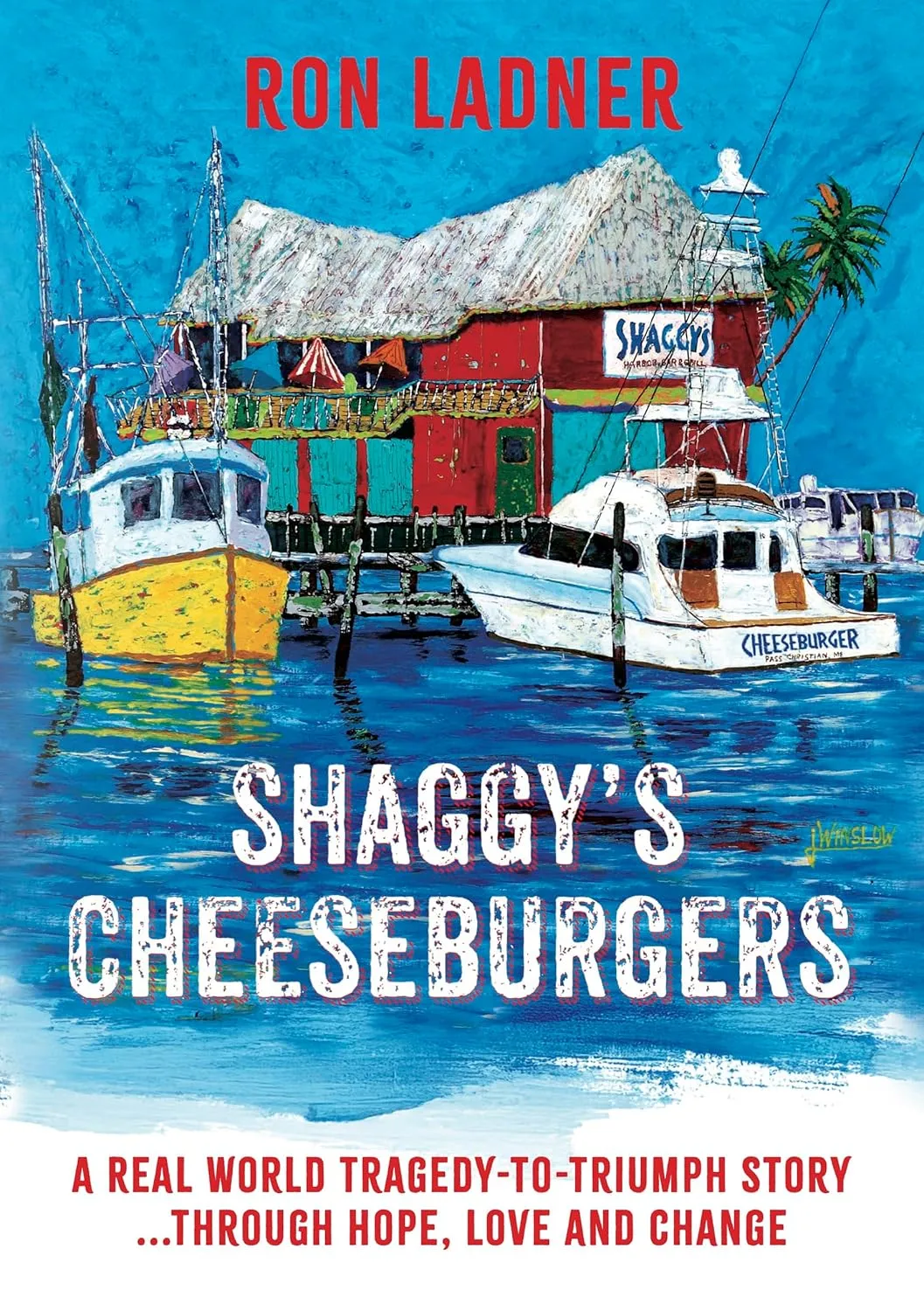
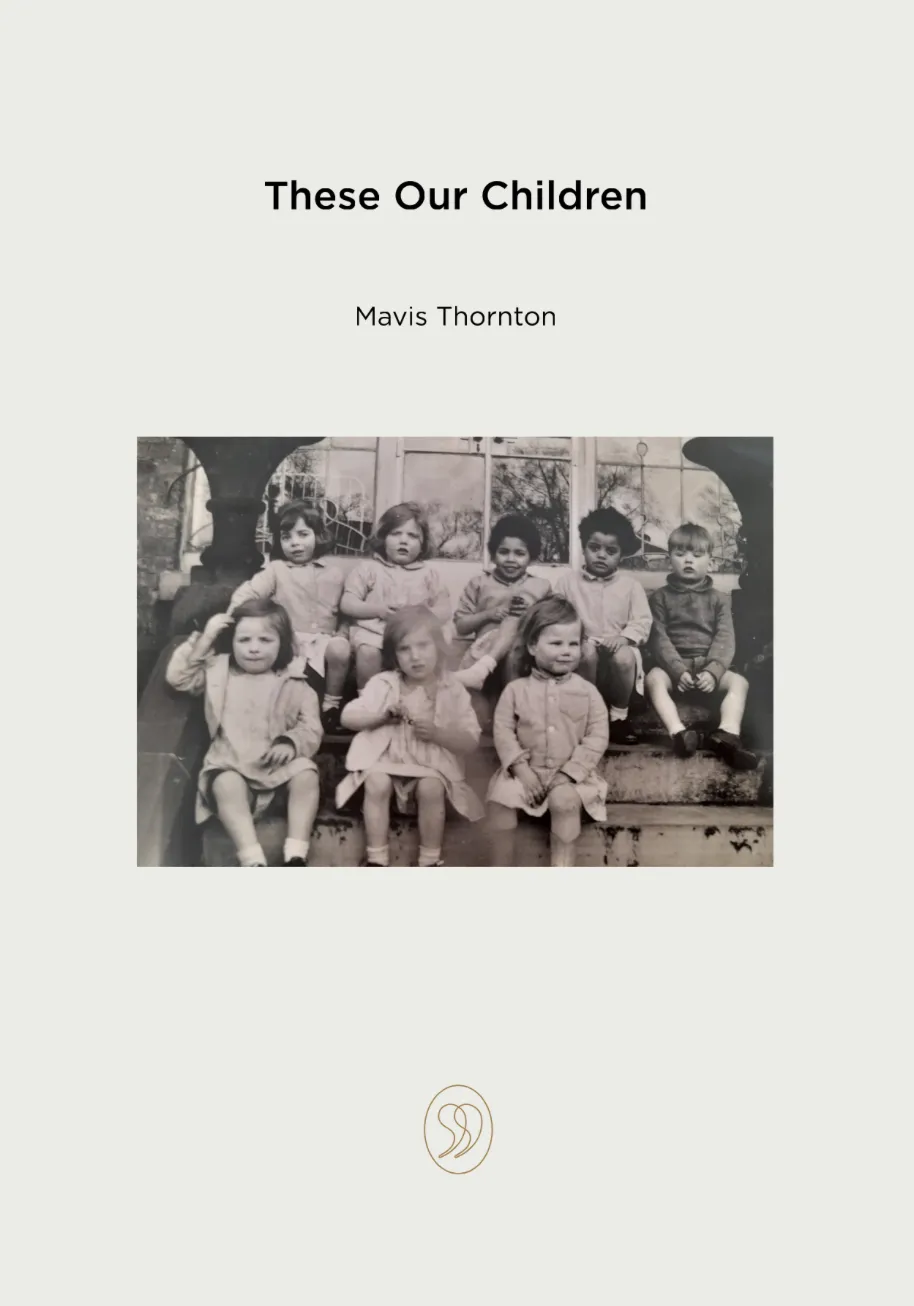
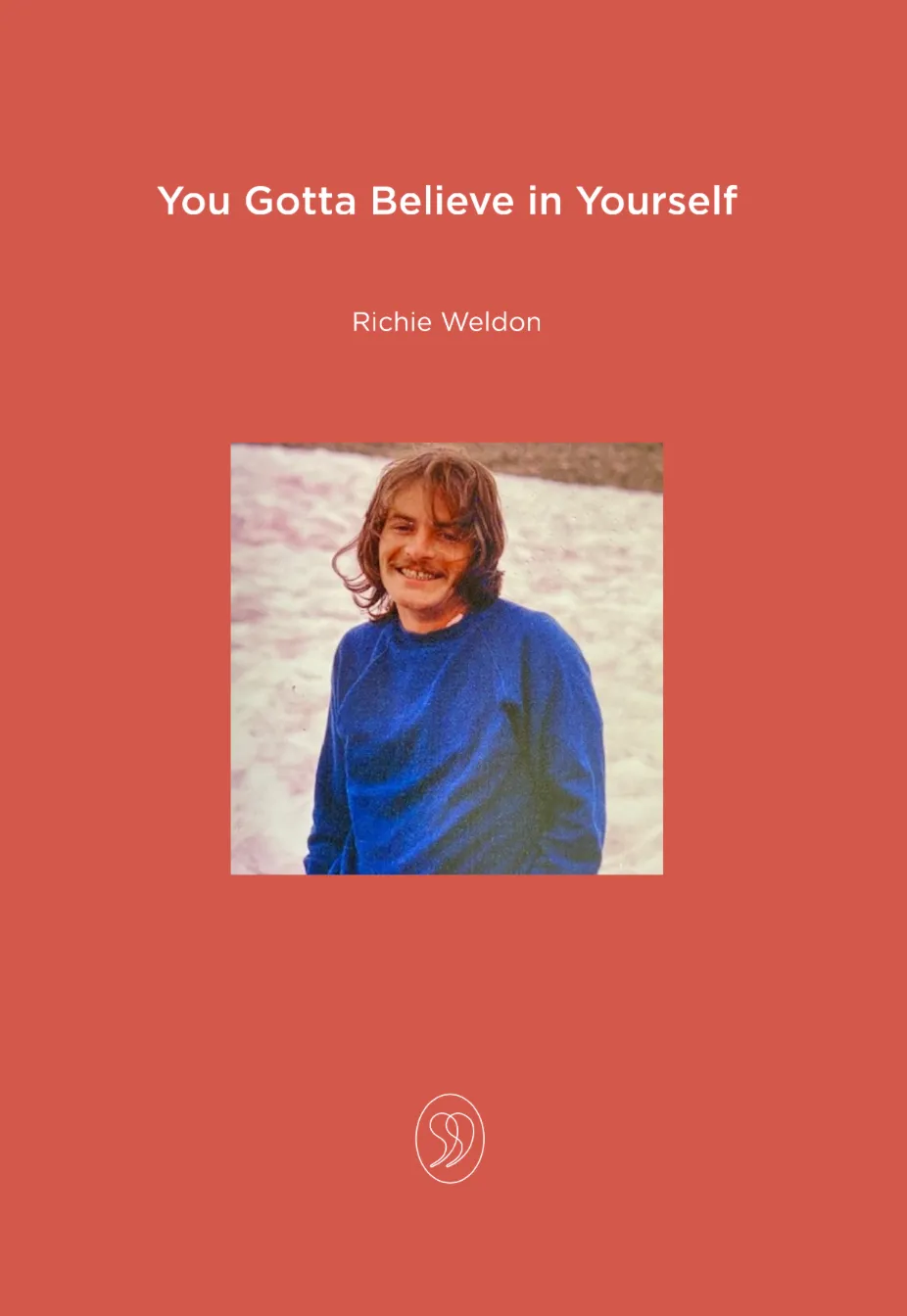
With nothing to lose but a career, I tossed the first version completely and started from scratch, this time just telling the story Earl had shared with me, focusing on what I thought was the heart of his story. It worked. That book, The Boy Who Would Be King, would go on to be a Literary Guild selection, and I became a full-time author. While my early books were entertainment-related, I soon found myself drawn to telling the more personal stories of people from all walks of life. I have written many biographies and memoirs of those in the business world, which is rife with tales of passion, ambition, and achievement, from an entrepreneur sharing their journey of establishing a successful small business to the C-suite executive who rose through an established company’s ranks to make their individual mark. I have equal experience in writing books recounting inspiring and heartfelt personal stories of overcoming life’s myriad challenges, such as the young man whose family was homeless for much of his childhood, but who persevered and became valedictorian of his college graduating class and now mentors other at-risk youths, or the woman who overcame an abusive marriage to build a safe and enriching life for her sons and herself.
Even though the genres I work in may have changed, the lessons learned from my first book have remained fundamental: the true job of a author/ghostwriter/cowriter is using the words spoken and events recounted to capture the storyteller’s voice and create a vivid sense of personality and place so readers feel like a fly on the wall as the story unfolds. All books tell a story, and the goal of every writer should be to engage the reader so they want to keep turning the page to see what happens, or what they learn, next.