Discover The Stories StoryTerrace Help Share.
Explore inspiring stories, expert tips, and the latest trends in personal biography creation on our blog.
.webp)
.webp)
The Magic of Sharing Stories This Season
The most meaningful gifts don’t come wrapped; they come remembered.
.webp)
Immigrant Experience-Based Bestseller: A Taiwanese Immigrant’s Journey to Kansas City by Benny “Goodman” Lee
We are proud to celebrate another StoryTerrace bestseller! From a childhood in Taiwan to a thriving life in the heart of America, Benny Lee’s story is a remarkable testament to resilience, entrepreneurship, and the power of giving back.
.webp)
Inside the StoryTerrace Interviews
At StoryTerrace, every book begins with a conversation. Interviews are at the heart of what we do. To give you a peek behind the curtain, we sat down with Stefanie Fox, one of our Premium Writers. Stefanie shared her perspective on what makes an interview not just informative, but transformative.
%20(27).webp)
Is This the Most Meaningful Gift of the Season?
As the holiday season approaches, the quest to find the perfect gift for loved ones without a wish list is just around the corner. But don't worry, we are here to lend a hand with some ideas that are meaningful, memorable, and delightfully unique!
%20(25).webp)
StoryTerrace Spotlight: White Coat, Blue Gown by the late Dr. Barbara Tatham
We’re proud to feature White Coat, Blue Gown by the late Dr. Barbara Tatham, Family and Emergency Room Physician at London Health Centre, Toronto as our September Book of the Month.
Browse all articles
StoryTerrace Spotlight: White Coat, Blue Gown by the late Dr. Barbara Tatham
We’re proud to feature White Coat, Blue Gown by the late Dr. Barbara Tatham, Family and Emergency Room Physician at London Health Centre, Toronto as our September Book of the Month.
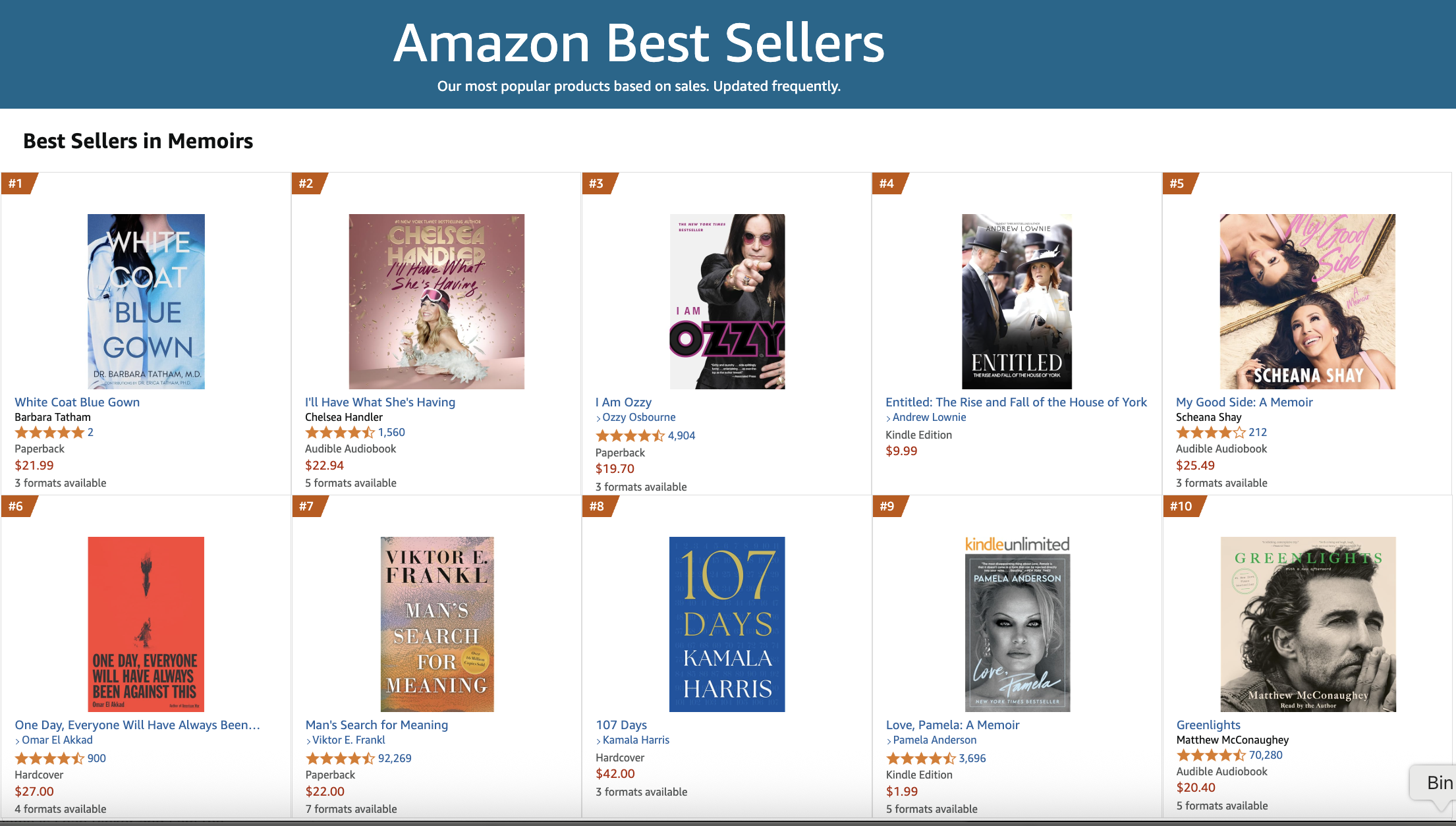
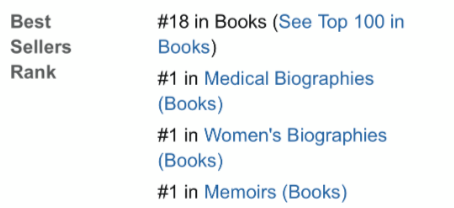
At StoryTerrace, we create books that elegantly capture the unique narratives of individuals, families, and businesses. This month, we’re celebrating a story that’s inspiring thousands and has just hit #1 in multiple Amazon categories!
White Coat, Blue Gown by the late Dr. Barbara Tatham
Dr. Tatham was a gifted physician, educator, and passionate advocate for compassionate care. A brilliant young doctor with a dream to teach medicine, her life was tragically cut short when she passed away from metastatic sarcoma cancer in 2019. Yet, in the face of illness, she lived with extraordinary purpose, joy, and love.
At just 31 years old, Barbara went from beginning her career as an ER doctor in her white coat to becoming a terminally ill patient within the space of a year. Choosing to share her journey openly, she blogged throughout her illness, inspiring thousands with her honesty, courage, and resilience.
After her passing, her sisters lovingly completed her book, ensuring that her voice and story could continue to touch lives.
.png)
In White Coat, Blue Gown, Barbara offers a deeply human, dual perspective on medicine, first through her eyes as a dedicated doctor, and later as a patient navigating the brutal realities of cancer.
This moving memoir is a testament to resilience, empathy, and the profound beauty of life, even in its fleeting moments.
Amazon Bestseller
Readers agree: White Coat, Blue Gown has soared to the top of the charts, reaching the #1 Bestseller position in not just one but multiple Amazon book categories:
Reviews
What readers are saying:

Barbara’s story speaks to doctors, to anyone seeking inspiration, and to readers who cherish powerful memoirs, reminding us all of the strength of the human spirit and the enduring impact of sharing one’s truth.👉Learn More About White Coat, Blue Gown
%20(1200%20x%20626%20px).webp)
How to Write a Successful Business Book: 10 Essential Tips You Need to Know
Create a business book that establishes you as a thought leader and allows you to stand out in the crowd.
Julia Ortiz grew up wearing hand-me-downs and learning how to mend clothing at a young age. She did what she needed to do to help her financially struggling family, discovering how to creatively enhance pants, shirts, dresses, and more to the degree that others began to admire her unique style.
Julia received a scholarship to go to college, earned a business degree, and formed a business that took castaway garments and turned them into fashionable, in-demand items. Through this venture, she has met fascinating people, traveled, and lived a lifestyle that, as a child, she never would have imagined.
Now she wants to write a business book to help her stand out as she shares her unique expertise. The reality is that highly successful authors of business books can reap significant rewards as they share what they know.
One of the most successful has been Tim Ferriss. His book in 2007, The 4-Hour Workweek, became a New York Times bestseller, earning him national attention. He leveraged this fame to launch a successful podcast with hundreds of millions of downloads and become an angel investor.
Although not all authors, obviously, reach this pinnacle of success, they’ll each want to write the best book possible. So, what essential elements are needed to craft successful business books? Here are ten of them.
#1 Why Do You Want to Write a Business Book? Gain Clarity on Your Goals
In Julia’s case, she hopes that her business book will position her as a thought leader in the sustainability space; draw attention to her company, Restyled Elegance; and inspire other people through her success story to think big when forming their own companies.
People in the earlier stages of business development might want to establish credibility by writing about their expertise in their chosen fields, add an income stream to their company, and get media attention. Each author will have their own combination of reasons to write business books — what is yours? It’s important to gain clarity and craft a book that will help you to achieve these goals.
#2 What Will You Share? Brainstorm Ideas.
Julia might decide, for example, to detail how she obtained financing for her business: From personal investments to bank financing to a crowdsourcing campaign.
In another section of her business book, she might explain how she found the right piece of real estate for her company, what equipment she decided to purchase, and so forth—with yet another section on hiring the best people.
Although, in and of itself, this wouldn’t differentiate Julia’s project from other business books, she would describe each section through the lens of her company and the fashion industry, making it a uniquely useful resource. You might decide to go a totally different route — and that’s okay.
What pictures, images, and charts would you include? Checklists? Would you ask your readers to answer certain questions about their own visions at the end of each chapter? Include a list of more resources for them to consult? It’s your book! Dream big.
#3 Imagine a Specific Person Reading Your Book
There’s a saying in the publishing industry that when you write a book for everyone, you’re really not writing it for anyone.
So, it’s important to envision specific audiences for your business books, which can include aspiring entrepreneurs, people in business who want to grow their companies, and so forth.
Your audience choices will have an impact on the type of information they’ll need, the language and amount of detail that you’ll use to explain concepts, the examples you’ll use, and more.
#4 You’re Different! You’re Better! Show How and Why.
Julia’s business book won’t be the first one to share insights about financing a company, buying equipment, hiring people, and so forth. So, she’ll want to highlight aspects that make her book unique.
For example, many business books in the past haven’t emphasized sustainability to the degree that Julia would, and her real world examples from her childhood couldn’t come from anyone but her. Julia’s journey is unique, which is what makes her business book different from others. Highlight that in yours!
So, emphasise your book’s differentiators while still providing the foundational material that your selected audiences will need to benefit from the essentials shared in your book.
#5 Opening Up to Readers: How Much?
When authors open up their lives to readers, this helps them to build connections, and business books that include memoir details can inspire readers to reach their own goals. Even when writing about “regular” business topics, each story has a struggle. Each struggle is different. So, be honest when sharing relevant details.
How much to share (and what, specifically, to share) will depend upon your specific scenario. With Julia, she might be perfectly willing to discuss how her parents struggled financially, which caused her to learn to repair and enhance clothing from a young age. That’s an important part of her story.
But, depending upon the details, Julia may decide not to get into the reasons why her family experienced financial troubles. She may realize that it isn’t necessary information to tell the story she wants to impart and that she prefers to keep certain parts of her life private.
Boundaries are important! Choose yours wisely.
#6 Writing Begins!
Now that you’ve decided what information to include, how much of your personal story to share, and your audience and goals, you can craft your book’s structure. An outline just contains the broad essentials of the book, and it can be as formal or informal as you’d like. It’s your outline!
This outline just helps you to write your book — much like a car’s headlights will tell you where to turn next when it’s dark outside. You don’t necessarily have to stick to your outline, either, if a better structure of your business book comes to mind.
#7 Wide World of Choices
As you fill in your outline for your business book with more details, some of the essentials will come naturally to you while others may require you to brainstorm more about which of your experiences will be helpful to your readers and in how much detail.
You may decide to interview other people for your book, cite helpful information that you’ve read elsewhere, and so forth. You’ll need to make plenty of these types of choices as you actually write your book. At this point, you should consider tip #8 as an option.
#8 Time to Hire a Ghostwriter! Or Not?
As you continue to develop your business book plan, it may become more time consuming than you’d hoped — and, in a case like Julia’s, it could take her attention away from growing her business further. You may feel the same way — so now, it’s time to decide if it makes sense to hire a ghostwriter.
Using an experienced ghostwriter for your business book can be ideal when you're too busy or want a sounding board for your ideas. Sometimes, you can know too much about your topic or be too close to your story to know what precisely to include or how to structure the book.
A skilled ghostwriter can also help with pacing, tone, point of view, and much more. Forbes notes how top entrepreneurs are hiring ghostwriters because they recognize the importance of publishing quality material but can struggle to find the time away from running their successful business.
The article shares how “With a ghostwriter as your secret weapon, you’ll build your brand and have a steady flow of content that establishes your expertise and elevates your profile”—which dovetails with Julia’s desires for her business book.
#9 Tell Your Unique Story to Your Specific Audience
Whether you’re writing your own book or using a ghostwriter, the next step would be to create a draft that would satisfy your target audience and allow you to meet your goals for the book.
In your first draft, you’ll want to get the gist of your book in writing so that you can decide where to polish the text, add more images, and so forth.
In Julia’s case, she could go two routes in her first draft when it comes to deciding how much personal information to share:
- She could get a brief overview of her childhood challenges in draft one and, during revisions, decide whether adding more details would be helpful.
- She could describe her childhood in significant detail and, during revisions, decide if anything should be cut out for privacy or other reasons.
Briefly putting your draft away before polishing it can be helpful because it allows you to see the text with fresh eyes.
#10 Sharing Your Creation With the World
Getting your book published the right way is essential for the writer to maximise the benefits: exposure, credibility, and boosted social standing.
Traditional publishing is one route, one that involves researching publishing companies to see what types of material they’re seeking. Typically, you’d craft a book proposal to submit to them or to a literary agent that you’d want to negotiate on your behalf. If your book gets accepted, then you’d go through the editing, design, and publishing processes with them.
Julia, being busy at work, decided that she didn’t want to go through this often-long process before getting her book to market.
But, if you’d like complete control over the finished product, you might prefer self publishing where you’d hire your own professionals to edit and format your book, design your book cover, and print the business books.
With this route, you’d obtain your own ISBN and barcode, develop your own distribution plan, and otherwise oversee the whole process. Even though this sounded better to Julia, she also wanted help in streamlining the process in a highly professional way.
StoryTerrace Handles Everything Under One Umbrella
At StoryTerrace, we simplify the entire book writing, editing, designing, and publishing process. You’ll meet virtually with a seasoned project manager who will explain the entire process to you, answering all of your questions.
You’ll then get matched with one of our 600-plus talented writers to craft a stellar business book. If this sounds like what you’re looking for or if you’d like to explore your options, please reach out today!
.webp)
Family History Books: How to Document Your Ancestry for Future Generations
There’s immense value in capturing your family history—for today, tomorrow, and for future generations. Here’s how to create a keepsake for the ages.
Writing a family history can allow you to preserve the stories of your ancestors, giving you further insights into your roots and, by extension, providing you with a better understanding of yourself. It also preserves these crucial stories for future generations to enjoy and cherish (as well as future historians eager for quality material). Once you decide to take on this intriguing project, though, what’s next? What should you do first? Here are pro tips on logical steps to take.
Gathering Ancestry Information
First, gather together and organize the genealogical material that you already have or have ready access to. This can include material that’s already written down and writing down what’s in your memory. Also check in with various family members to see what they can contribute. Many times, families have a “keeper of the stories,” which is often a person from an older generation but can be a family member of any age who shares an interest in your shared ancestry. Ask if you can have copies of anything they possess about your family history with items like family letters and photos (especially with captions) serving as cherished resources.
Next, identify the gaps that you’d like to fill in, including going back further in time than the information you’ve gathered provides. Do you want to go back to when family members immigrated to the United States? After you identify a scope of information desired for your book, you can then work on filling in the ancestry-related gaps.
A great way to find resources to fill in those gaps is Cyndi’s List. This is a rock star level of compiled websites and databases that allow you to search for information, including by country, state, religion, and by time period among other methods. Note that, although Cyndi’s List is free, some of the resources she lists may come with a fee.
One of the resources listed is quite familiar to most people conducting genealogical research—and that’s Ancestry.com. Besides conducting your own research, you may quickly discover that other people have already been building family trees that intersect with yours, allowing you to glean more relevant information from Ancestry. This website comes with a free basic version and a much more robust paid version that allows you to obtain scans of important documents. Note that many libraries offer access to Ancestry.com when you’re a card holder; you may, however, need to conduct the research within one of the library’s branches. Perhaps you could meet other people from your family at the library to make it a fun research-related day out.
Depending upon your feelings about DNA testing, if you do so with the Ancestry product, you will receive notifications about people who share your DNA (often labeled as second, third, or fourth cousins), and a true treasure trove of information can open up to you that way.
FamilySearch.org is a massive collection of genealogical records compiled by The Church of Jesus Christ of Latter-day Saints, and it doesn’t just focus on people who belonged to the Mormon Church. The material is provided, free of charge, to people of any religious affiliation.
Also interview family members with memories of people from previous generations, recording what they have to say. If they don’t live near you, arrange a call with them via FreeConferenceCall.com. This site offers numerous services that really are free with add-on ones coming with only small fees. You can receive recordings of the calls that can be easily turned into transcripts, which can serve as time-saving rough draft text for your book (more about rough drafts later in this post). To find good questions to ask, The Oral History Workshop: Collect and Celebrate the Life Stories of Your Family and Friends by Cynthia Hart and Lisa Samson is an excellent resource.
Going Beyond the Basics
Use resources like Newspapers.com and NewspaperArchive.com to see what ancestors of yours made the news. You can search by their names, filtering it appropriately by the geographical areas and dates. Find-A-Grave.com can help you to gather more information, typically showing photos of the gravestones and related data. Sometimes, only bare bones information exists at this site while, other times, people have supplemented it in richly useful ways.
If members who will be included in your family history served in the military, check NationalArchives.gov and gather what information you can. For a fee, you can order your ancestors’ military records and pension records. Another site with quality military information: Fold3.com.
Look at where each of your ancestors were born and lived. Then, contact historical societies and libraries in those areas to see if they have helpful information for your family history project. If your ancestors attended a college or university, you could also check with their libraries and archival departments.
When researching ancestors that lived in another time and place, read about the setting where they lived to ground their stories into their reality. Even if no one from your ancestry is specifically mentioned in these resources, you may gain additional ideas for your research.
Factual Information Versus Family History Lore
To create a structure for your family history for future generations, information found at genealogy sites and documents like birth certificates, marriage certificates, and death certificates can help to outline the story for you. Family bibles can serve the same purpose if you have access to them. Important as factual information is, though, you can go beyond this data to enrich the book for today’s readers and for those of future generations through the inclusion of family lore.
So, also ask your relatives for family stories that have been shared and passed down. For example, maybe Great-Aunt Melissa shocked the neighborhood when she went outside without putting on her shoes or Great-Grandpa Sam loved to take his grandchildren fishing and share tall tales of his youth that could rival ones told by Mark Twain. Although the specifics remembered by family members may not be hard and fast data, they will allow future generations to know what their ancestors were like, personality-wise, and flesh out the dry bones of the data you’ve gathered. When sharing family lore, you could always say, “Sam was legendary for his larger-than-life stories,” indicating that, even if the details of his tales weren’t always strictly factual, this demonstrates how he related with others.
When to Move Forward With Your Family’s History
As anyone who likes to research or browse the internet for intriguing stories knows, it’s easy to go down plenty of rabbit holes on the web. At some point, though, you’ve got to start the actual writing process. When it begins to get difficult to gather new information or you just see the same details, over and over, it’s likely to be time. Then, if you do find new data about your ancestors while writing your book, you can always add it to your manuscript. Plus, the reality is that, even if you think you’re done with your research, questions can come up during the writing process that you’ll really want to try to answer.
Consider the Tone
Some people envision their family history books as ones filled strictly with factual information while others imagine a more creative telling where family lore is included. Depending upon your purpose, there’s no right or wrong answer. If you simply want to preserve the information for future generations, then a “just-the-facts” family history story may be just fine. If you’d like for others to engage with the stories and bring your ancestors’ lives to people’s attention, then you’ll want to write a book with material that allows this to happen. Some people like to include humor while others want to incorporate moments of high drama—or both. It’s your ancestors’ story, so do what makes sense to you.
Incorporate the Setting
Fascinating as the people in your ancestry line can be, you’ll want to ground them within real-world settings that allow readers to envision them interacting with their surroundings. Did they, for example, own a bucolic farm where white, woolly sheep foraged on bluegrass and Grandma Louise picked plump blackberries for her blue ribbon pies? Or, did they work hard in a smoky urban environment to support their large family, which allowed future generations to go to college and live out their dreams? Setting really matters.
Understand Your Audience
How you write the book, in some respects, depends upon whom you envision as readers. If you’re writing for family members only, for example, you might want to include specific addresses where members of your shared ancestry lived and describe the homes’ layouts in detail. If you’re writing for a broader audience, you may not want to share such particulars for privacy reasons and/or because it’s important—for a wider audience—to keep the action moving along.
POV Character(s): Who is Sharing the Family History?
A point of view character (or POV character) tells the family history from their perspective, which is something important to consider if you’re going beyond a simple gathering and retelling of facts. That person provides context; using our examples from above, they’d refer to Sam as their great-grandfather, Louise as their grandmother, and Melissa as their great aunt.
Think about your favorite movie that contains numerous characters. You typically “see” the film through the perspective of a POV character or think about the unfolding of the story in ways that would impact that specific character. When that doesn’t happen (in a book or film), the story can lack a strong focus.
Let’s say that the POV character in your life history book is a family member named Robert. This doesn’t mean that only Robert’s stories are included in this book. Far from it! Stories included can be about ancestors who are no longer living and from other family members who helped to contribute material for or are featured in the book. Robert is, instead, the lens through which the entire family’s life history can be shared in a structured, easily understood manner.
Perhaps the POV character stays the same throughout the book. Or, maybe each section of the family history is told through the lens of a different POV character—or it could change by chapter. These are the decisions that need to be made. You could experiment with different ones to see which setup works best, or perhaps the choice is obvious.
Structure of the Family History
Many family history books are organized chronologically, which makes logical sense. Even when structured chronologically, though, it’s often best to start with an “inciting incident”—an engaging event that grabs readers’ attention and sets the stage for what happens next. Let’s say, for example, that members of your ancestry escaped from a war-torn country in a dramatic fashion. You could start the book with this event and then continue from there or go back in time to let us know how their story developed before this crisis point—and then chronologically tell us what happened after the thrilling escape throughout the generations.
Other times, books intended for both current and future generations organize the book thematically. You might, for example, group together family stories of military service across generations in one section of the book and focus on the family’s entrepreneurs in another, philanthropy work in yet another section, and so forth. Each family history book will be unique and can provide variations on the themes accordingly.
It’s typically helpful to outline your book before writing it, but that doesn’t mean you need to remember or reuse the outline type using Roman numerals taught in school. If that system works for you, then, great! If not, it’s okay to jot notes about various elements of your book, moving them around until they fit into an order that works well for your family history. In other words, you can be as formal or informal as you’d like. This isn’t an outline that you need to show outsiders. It’s to help you and your family get organized with the wealth of material that you’ve collected.
Writing Your First Draft
With your first draft, also called a “rough draft,” it’s important to get the gist of the story down. If you’re someone who can write more polished material from the start, that’s wonderful—but that’s not how it typically works in most instances. If you get to a section where you find that you’re missing information, you could write FILL IN MORE HERE before continuing. The point of a first draft is to transform the often-intimidating blank page into the beginnings of a family history that you can revise and polish. It’s to get you past the stumbling block of simply getting started.
If you’re working with another family member on this project, you might want to get feedback from them when the first draft is finished. Or, you may prefer to wait until it’s more refined before sharing the text.
Revise Your Family History Manuscript
If it fits your timeline, put your first draft away for a while. This will allow you to review and revise it with fresh eyes once you return to the project. When you pull the text up again, you might realize that you’ve discovered new information in the interim that can be added, and you might find ways to refine anecdotes to make them more humorous or more compelling. You might decide that too much word count exists in one part of the book while another part needs more bulk. Even experienced professional writers go through this stage. It’s just a natural part of producing the best book possible.
Consider Publishing Options
Once you’ve completed the book, you’ll want to share it with your audience—whether that means friends or family members or a broader audience. One option is traditional publishing where you research the market trends and find out which publishing houses want certain kinds of material; craft a book proposal to entice an agent to represent you or a publishing house to consider your manuscript; and go through this process. On the far other end of the scale, you can self publish, hiring people to edit your book, format it, and create a book cover; buy your own ISBN and barcode; choose a printer; and come up with a distribution plan.
If that sounds like a lot of work, well, it can be. There are also hybrid choices, though, like StoryTerrace that can handle everything under one umbrella, including to provide you with a skilled, experienced ghostwriter who knows how to navigate questions of tone, setting, audience, POV characters, book structure, and more.
At StoryTerrace, we work right alongside you so that your unique vision for future generations comes to fruition. We leverage cutting edge technology, Bookmaker, to ensure clear communications and ease of process. Interested? Reach out today!
.webp)
How to Write a Book About your Life in 7 Easy Steps
Your story will unveil pivotal life events and how they have shaped you. Putting it all down in words can be quite a challenge. Don’t worry; we have you covered in 7 easy steps if you are wondering how to write a book about your life.
Once you recognize the story in you, it is time to put it down in words. It is a powerful way to connect with readers who may resonate with your journey. Sharing your personal experiences is not just cathartic; it can give hope to someone or inspire another.
Yes, there are many things to consider. What to say and what to hold back? But it's all worth it. Jenny Fagan, the novelist who wrote her memoir, said, "This book kept me alive." Though a personal revelation, her memoir was a therapeutic experience for her. Many people feel recalling their life story gives them the necessary closure.
It can be a document chronicling an entire generation's journey of coming into being and how it shapes the next generation. It can also be a celebration of how much has been endured, lost, and gained—a true legacy for generations to cherish.
Why should I write my memoir?
Ask yourself why not? Granted, many people feel writing a book about themselves is unnecessary. But if you have experienced tremendous personal growth or overcame insurmountable barriers that seemed impossible, you have a story. If you are met with random praises for simply being yourself, though you feel there is nothing special about you, there are lessons in your life.
Would you like to trace your family history? Understand your ancestors better. Maybe you want to share your perspective and offer change. If you have answered yes to any of these questions, an incredible story has been brewing all your life.
If you are wondering if anyone will read my story even though I am not a celebrity, then let us tell you this: there is a genuine curiosity to know how to live better, and it does not come only from celebrities. People want to see the extraordinary in ordinary lives. That's where inspiration strikes. Teachers, doctors, and nurses are all coming up with their stories; it's time you did the same.
How to start writing a book about your life?
Having so much information and penning it down with a purpose may seem challenging. Even Cher had been in the throes of giving up writing her memoir many times.
To make writing your memoir enjoyable and achievable, we have broken it down into doable, easy steps.
The seven easy steps for successfully writing your life story
Gather your thoughts
Before starting the actual writing, it is imperative that you prepare any information that you can use. You can do this by browsing old photo albums; it gives your memory a good kickstart. You can also try reading old journals or diary entries. When writing her memoir, Pamela Anderson relied heavily on her journals.
You may feel like an autobiography should include everything, right? Yes, technically, you are correct. But you should know it can be exhaustive. If you do not have a clear plan of what to include, key details can get lost. Have a pattern or theme been guiding your life, moulding your being? Would you like to develop it?
Reach out to people who can help you understand and connect with incidents and events in your life. Make an informed choice of what to leave out, include, and anticipate the outcome. Allow yourself as much grace as you need; this process can be agonising.
Map out your life for your memoir writing
Once you have a rough idea and have gathered most of the material for your memoir, you will have to organise the vast body of information. It is considered a best practice to write a memoir in chronological order. However, if you want to follow any particular genre of writing, feel free to ditch the time order. For example, if you are writing essays about the events in your life, you do not need to categorise them according to a timeline.
You can start your story with your birth or maybe with an antidote that shaped your life the most. That will grasp the reader's attention for sure. There is no one fixed way to write a book about your life. Explore different possibilities, and start reading autobiographies and biographies. Is there a particular one that you resonate with? Try to understand why it speaks to you.
Write down your expectations from your story; it will give a purpose to your writing journey.
Create a structure
This step is perhaps crucial in every author's journey, especially for a beginner. The outline is your basic framework. You do not need to adhere strictly to the structure; it can serve as a general guideline.
If you doubt the flow of the story, the structure will come in handy. If there are events or people that you do not want to omit from your story, the outline will act as a reminder and let you highlight their importance.
Writing a book about your life
Your manuscript is everything. Needless to say, the first line of any book carries special significance. So, always start with a strong introduction. It will help lay the foundation for the story and evoke the reader's curiosity. Nelson Mandela's autobiography, Long Walk to Freedom, gives insight into his life and connects it to the meaning of his name in the first few paragraphs. The more details you would add to your story, the more depth it will have.
Going to extraordinary lengths for events and feelings is a pivotal marker of a great story. Do not deem anything unnecessary if it is related to your story. Write it all down, the good and the bad. You will fail to show your vulnerability if you do not discuss your shortcomings. It would make you an unrealistic, perfect individual with whom no ordinary person can relate. We cannot but reiterate, to be honest, authenticity will add an endearing quality to your story.
You can use descriptive language. Place yourself at the exact moment; it can help create a sensory effect on the readers. You can use dialogue to carry the narration. Dialogues are also very effective in building characters. Interactions keep the story interesting. However, forced dialogue can make the story dull or out of touch. Your dialogue should be written in the way you speak. Making a note of accent markers or any colloquial information will make the dialogue more natural than forced.
Read, rewrite, repeat
Drafting the memoir must have been a herculean task. Unfortunately, it is still not ready to be published. After finishing writing, consider revising it to give it a final polish. To make it publish-ready, you must ensure the copy is clean.
If you are considering editing yourself, here are some tips.
- Give it a good read. Look for inconsistencies and duplication. Address the issues and reread them.
- Run a fact check. You do not want to have any errors in your book.
- If you are unhappy with something, rephrase it. Sometimes, rewording can make it even better.
You may need a few edits until you are satisfied, and it is very reasonable to make changes as you read and edit the draft. It can be an exhaustive process, but this extra effort will bring wonderful results. After all it is your labour of love that makes the difference.
Feedback
Though you are the best judge for your book, enlisting a few trusted readers does not hurt. Ask your friends and family to read it and give their opinion. Maybe they will have a good idea that you can use. Do not take feedback as criticism or an insult; take it constructively. Try to see how you can incorporate the suggestions.
Publish
It will be exhilarating to have your manuscript ready for publishing. One last thing to do before sending off the draft for publication is to select a few photographs. Your memoir is a true story. The characters are all real, and what can be better than giving a glimpse of the life you are writing about through some snaps frozen in time?
Choose a publisher based on whether you want to make your book available to the public or as a keepsake for your family. If you want a wider audience, you must also market your book.
Bonus tip - Hire a ghostwriter
Writing down your life story is an achievement in itself. If you find it overwhelming, hire a ghostwriter to help you write your story. At StoryTerrace, we match each storyteller with the best writer. You can choose from our different categories of writers with various expertise to write your story. You can take your mind off the writing bit and concentrate on the story.
Our expert writers and editors will draft your story your way. We understand that each story is unique and holds a special place in our narrator's life. It is more than a legacy or a motivational work; it is the story of your becoming, your life work.
If you need help with only publishing for the story that you have written down, then take advantage of our self-publishing packages. From marketing to promotions, we have you covered. Get in touch with us today to start writing your incredible story.

The Ultimate Guide to Writing a Memoir
For the ultimate guide to writing a memoir - look no further!
Why should you read this guide?
- Use our free resources and templates to plan your memoir: gather your memories and figure out the right structure
- Learn how to develop a writing habit, overcome writer's block, and develop your own unique style
- Get inside information on book-production, from editing and proofreading to design and printing
Chapter 1: Organising your memories
In this chapter, we share two free resources to recall and organise your memories: a set of 65 Memory Prompts we use with our customers to kick-start the process, and a Timeline Template you can then use to organise all the information.
Chapter 2: Structure your story
In this chapter, you’ll learn five different approaches professional authors take to structuring their stories, so you can choose the one most suited to your book.
Chapter 3: Writing (the nitty gritty!)
Everything’s planned. Now you’ve actually got to start writing. But how will you find the time in your busy schedule? In this chapter, you’ll learn how to create a habit out of writing, as well as developing your own unique writing style.
Chapter 4: Overcoming writer’s block
It happens even to the best of us. In Chapter 4, learn how to beat writer’s block, so you're fully equipped to fight it off when it comes along.
Chapter 5: Editing and proofreading
Chances are, you don’t know the difference between editing and proofreading. In this chapter, you'll learn how to edit and proofread your life story, step-by-step.
Chapter 6: How to digitise your photos
There are four different ways you can convert your old photographs into digital copies for your pages. In this chapter, you’ll learn the advantages and disadvantages of each method.
Chapter 7: Designing and printing your book
Chapter 7 reveals all the best design practices to make your book look truly beautiful.
Chapter 8: How to make your book cover stand out
Make potential readers stop in their tracks! From bold and eccentric, to romantic pastels, create an eye-catching book cover with these ideas.
Chapter 9: An overview
A quick recap of Chapters 1-8 with all the most valuable bits of information you need. We’ll also give you more of an insight into how we can help!
Start at the beginning
Read Chapter 1: Organising Your Memories

Meet Alan and Marilyn Robbins: A Love Story
In honour of Valentine’s Day, we’re sharing one of our favourite love stories. Alan and Marilyn Robbins have been married for 51 years and told us all about how they first met.
As a StoryTerrace ghostwriter, it’s been my pleasure to interview so many interesting people to help them tell their stories. In particular, there’s nothing better than hearing a wonderful love story.
In honor of Valentine’s Day, we thought we’d share the story of Alan and Marilyn Robbins. They’ve been married for 51 years, and when I sat down with them to discuss Alan’s autobiography, it was immediately apparent that they share a special bond. Marilyn can finish Alan’s sentences perfectly, and he still lights up when he talks about the day they met as if it were yesterday.
Now that the book is complete, Alan and Marilyn graciously agreed to sit down with me again to talk about their experience with StoryTerrace and to give both sides of the story of how they met, fell in love, and got married.

The cover of Alan Robbins’ autobiography
When Alan turned 80, his daughter presented him with a StoryTerrace biography to mark the occasion. "She always finds the best, most unique gifts," Marilyn explains, "and now we recommend StoryTerrace to friends as well."
For Alan, the gift was especially meaningful because he had always wanted to write his autobiography. He appreciated having time to think ahead before the interview and found the process of working with a writer in person very enjoyable. "I think everyone should try writing their life story, because it helps them focus on the most important things in life," he advises.
When I asked why Alan chose a photo from his wedding day for the cover of his book, he said, "That’s the epitome of who I am." Smiling, arm in arm with Marilyn: There’s clearly nowhere else Alan would rather be than by her side as they step into the future together.
Meeting Marilyn

The Lake Tarleton Club in the White Mountains of New Hampshire, where Alan and Marilyn met
Alan was just beginning his long career as a lawyer when a friend invited him along on a Workers' Day weekend getaway to New Hampshire. It was his chance to relax for the last bit of summer before autumn began to set in to Boston, where he lived and worked.
The trip would change his life.
Click below to LISTEN to Alan as he reads from his autobiography about the first time he saw Marilyn:
When Alan first saw Marilyn at the club’s volleyball court, he knew she was someone special. He was struck by the way she walked: confidently, completely in command of herself. He didn’t think that her companions could tell how he felt about her, but Marilyn remembers the moment a bit differently.
"He brought us drinks, and it was soon clear that he was interested in me and not my girlfriends," she recalls. "They soon left us alone, and we spent the entire weekend together."
By the time Alan returned to Boston, he had Marilyn’s number and a promise to see her again soon. Through that autumn, winter, and spring, they saw each other twice a month, taking turns travelling from Boston to New York City, where Marilyn lived with her parents in the Bronx.
The Moment of Truth

One of Alan’s favourite photos of Marilyn
After 10 months of their long-distance relationship, Marilyn was ready to make a move. Marilyn was in her mid-20s, and she knew what she wanted out of life. "Oh, I gave him an ultimatum," she says. "I told him I was getting a summer house on Fire Island with my girlfriends and that would be the end of it unless he wanted to get married."
Alan knew he didn’t want to lose her, so he took the leap. "I went and got a ring," he says. "I knew I didn’t want to ever be without her."
A Perfect Wedding

The Eldorado club, where Alan and Marilyn were married
"It was a beautiful day," Marilyn remembers, "and such a lovely place for a wedding." Alan and Marilyn were married in September, one year after they first met in the White Mountains. They were young, happy, and surrounded by friends and family — the ideal beginning for a long life together.
Surrounded by Loved Ones

Marilyn’s South American relatives made the long trip for the wedding
One of the things that made Alan and Marilyn’s wedding so special was that many of her relatives made the trip to New York from Argentina.
How does a Bronx girl end up with such a far-flung guest list?
Marilyn’s father left his home in Besarabia (Moldova today) when he was just 19 to seek his fortune in America. His mothers and sisters stayed behind, and their lives were in danger as Hitler rose to power and began to sweep Eastern European Jews into concentration camps at the beginning of the Holocaust.
Marilyn’s father feverishly worked to scrape up every possible penny. Through underground sources, he was able to get his family the money and contacts they needed to get out of Besarabia. Marilyn chokes up telling the story of her father’s heroism. "He saved them," she says simply, leaving the terrifying alternative unspoken.
Marilyn’s relatives couldn’t gain entry into the United States, but they were welcomed into Argentina. Marilyn and Alan’s wedding served as a wonderful family reunion, and they have stayed in close touch in the decades since that day.
So What’s the Secret?
Not everyone manages to nurture a marriage through 51 years of ups and downs, so my final question to Alan and Marilyn was this:
What’s the secret to your long and happy marriage?
To Marilyn, love is the key. "I knew him when we got married. I knew who he was." Going into a marriage clear-eyed, Marilyn knew what she wanted and was determined to get it, with Alan as her partner.
"We do everything together," Alan adds. He describes going to every doctor’s appointment together ("something we do a lot more of these days," he jokes) as an example. Whether traveling on their annual vacations, spending time with their grandchildren, or answering my questions, Alan and Marilyn prefer to live life as a pair. They choose togetherness, every day.
Here’s wishing them many more years of happiness.
If you’ve been inspired by Alan and Marilyn to tell your own love story, StoryTerrace is here to help! Get in touch to find out how you can write your memoirs, or sign up for our newsletter to hear more heartwarming stories from our clients.

Love and Dating Across the Centuries
Take a walk through history with StoryTerrace as we uncover the origins of dating and how it's progressed — we’ve come a long way!
Have you ever wondered how dating began?
Here at StoryTerrace, we definitely have — after all, we’ve written countless beautiful stories about love, courting, and marriage.
So we decided to look at the history of dating and its progression into modern day. What we found made our hearts all warm and tingly.
In the Beginning
Ancient Societies Weren’t So Lovey-Dovey (3000 BC – AD 500)
Most marriages in ancient times weren’t by choice, but by capture. After the founding of Rome, there was a shortage of women. So, the Roman men abducted women from other nearby cities, with the intent to increase their population.
Arranged marriages were also the norm. Rather than matters of the heart, those couplings were more like business arrangements related to economic stability, property, and political alliances.
The Middle Ages Ushers in Chivalry (500 to 1400–1500 CE)
As a response to arranged marriages, civilised courtship and chivalry blossomed in medieval times. With love as their guide, suitors enticed the object of their affection with songs, poetry, and dinner — which they learned from lovelorn characters in plays.
It was during this era that a well-known phrase originated. When a knight was competing in a jousting match — a popular sport among nobility — he could dedicate the event to a woman he loved by tying something to his shirt sleeve that belonged to her. Usually, a handkerchief. This is how the saying "He wears his heart on his sleeve" came to be.
The Victorian Era Feels the Love (1837-1901)
Courting became even more formal among the upper classes, with romantic love recognised as an important factor in marriage. At events, men and women first had to be introduced — they couldn’t approach each other without proper introduction. Then, men gave their card to the lady if they were interested in walking her home. At the end of the event, the ladies reviewed their options from all the cards they’d received and chose the man they wanted to escort them home.
Courting was definitely not private. Couples were usually only together while a chaperone — often the young woman’s parents — watched. Back then, marriage proposals were typically delivered in writing.
Modern Dating

Photo Credit: Getty Images
The word “date” came to be rather unintentionally. In 1896, a Chicago Record columnist, George Ade, wrote that the girlfriend of a man named Artie had lost interest in their relationship and began courting other men. When Artie asks his soon-to-be ex-girlfriend about her intentions, he says: “I s’pose the other boy’s fillin’ all my dates?”
See, before the early 1900s, courting was for the benefit of family and community interest, but by the time a new century began, courting had fully transitioned to a private matter for couples. Finally, in 1913 the American government formally recognised marriage in law, and by 1929, all states had laws regarding marriage licenses.
In the Roaring Twenties, the word "dating" officially entered the American language. But the act of dating was actually frowned upon by police, politicians, and civic leaders because they viewed it as enabling women to become more independent of their fathers and husbands.
We’ve come a long way since then!
Free Love
In the 1960s and 1970s, free love became a social movement — one major aspect of which meant that people could be sexually active with many casual sex partners and little or no commitment.
But another aspect involved certain laws and specifically working to remove state regulations from decisions about marriage, divorce, birth control, age of consent, abortion, adultery, and homosexuality. These changes reverberate throughout modern society today.
Digital Dating
Believe it or not, online dating has been around for nearly 30 years! Kiss.com was the first digital matchmaker to arrive on the scene in 1994, followed by Match.com in 1995. Since then, online dating sites and apps have exploded.
The pandemic, of course, only boosted the use of those innovations. With the entire world in lockdown, membership for dating sites and apps increased at unprecedented rates. What used to be thought of taboo or looked down upon is now the new norm in dating.
Digital dating has opened up singles to the entire world. A man in America can now “date” a woman in England, getting to know each other through video chats before deciding to meet in person. A divorced lady in Australia can easily “meet” a South African fellow through texting, voice notes, and emails.
How’d You Two Meet?

Photo Credit: PeopleImages
When’s the last time you thought about your own love story? Or maybe your parents’?
Wouldn’t it be wonderful to capture those beautiful memories and experiences in a stunning book? You don’t have to be famous or have a Hollywood-style meet-cute to make your story worth telling. We’re sure it’s already amazing and definitely worth sharing — just like Alex and Barbara Lutkus did with their StoryTerrace book.
So the next time someone asks, "How'd you first meet?" you'll have it all ready to go in a terrific book that'll last for generations.
Have you been inspired to write your own love story? We're here for you! Just contact StoryTerrace or sign up for our newsletter to learn more about capturing your story for future generations.

Meet Alex and Barbara Lutkus: A Love Story
Alex and Barbara Lutkus have been happily married for 50 years. So what’s their secret?
Every couple has a story of how they first met.
One of my great professional pleasures is interviewing StoryTerrace customers to find out more about their amazing life stories. Each one is different and completely fascinating in its own way, but I must admit I have a soft spot for the love stories. There’s something so inspiring about sitting down with a couple and hearing them finish each other’s sentences as they recount the history of their relationship.
And so it was with Alex and Barbara Lutkus. Though we weren’t face to face for our talk, I could still hear their deep connection in their voices on the line as they told me about their 50-year marriage.

Alex and Barbara’s StoryTerrace biography.
Alex and Barbara, like so many storytellers before them, received their StoryTerrace package as a gift from their daughter. "She discovered the service through a neighbor," Barbara recalls. The couple received their StoryTerrace gift to mark their fiftieth wedding anniversary and completed a series of four interviews with a professional writer this past spring.
When asked if the pandemic made working with a writer more challenging, Alex had no complaints. They each sent the writer prepared thoughts ahead of time and then answered follow-up questions over the phone. "We just followed the process," Alex recalls. "She always kept us informed of the progress"
One Marriage, Two Voices

Alex and Barbara on their wedding day in Oakland, California in 1971.
From the moment they met, Alex and Barbara had two distinct voices. As Alex tells it in the book, he was initially attracted to Barbara due to her London accent, which floated to him on the air through a crowded club. Their relationship is the story of blending two unique backgrounds — she's from England, he's from New York City — as they settled together in California, thousands of miles from where either grew up.
In their StoryTerrace book, Barbara and Alex chose to maintain their two voices. Each section of the book is devoted to an era in their lives, but the writer cleverly crafted the book so that the narration bounces back and forth between Alex and Barbara. In this way, the readers — which will eventually include the couple's grandchildren — get a good sense of exactly what each of them was thinking as they met, married, and began their life together.
Some Valentine’s Day Advice

By the time Alex introduced Barbara to his family in New York City in 1969, he knew he would propose.
I spoke to Alex and Barbara in February, so I couldn't resist asking them to share some advice to other couples for Valentine’s Day. Barbara didn’t hesitate: "Enjoy the time on your own as much as possible first," she says, listing traveling and time with friends as important parts of a well-rounded life. "The fact that we were 29 and 30 when we got married was huge because the older you are, the more you appreciate what you have."
Alex agrees. "If you’re young, naive, and immature, that’s a bad time to get married. You’ll know when you’re ready."
On Making Love Last

Alex and Barbara celebrating Thanksgiving with their children and grandchildren in California.
Five decades of marriage is an incredible milestone, so I asked Barbara and Alex about the secret to staying together for so many years. For Alex, communication is key: "Talk to each other — a lot," he says. "You want to develop plans and stay in tune with each other so that you’re doing things together, not separately."
Barbara was a bit more philosophical. "There are many reasons we’re still together," she says, "but above all, we both began with the determination that we expected it to last."
And so it did.
Does your family have an amazing love story to tell? StoryTerrace can help you get it down on paper to preserve it forever. To find out more about working with our professional writers, get in touch today or sign up for our newsletter to read more real-life stories from our customers.

Love stories: finding love at the parents without partners dance
StoryTerrace writer Celeste Hamilton Dennis on the experience of capturing Deborah Schroeder's life story, "My Boys, My Life". Plus, Celeste's video interview of what it's like to write for StoryTerrace.
Deborah Schroeder told me she met her second husband at a PWP dance. Did I know what that was?
I nodded. "Parents Without Partners."
She went on to tell me about the first time she met Ronin, the charismatic President of the local PWP chapter. Her friend naturally thought they should meet. Their first dance was awkward and ended with Deborah twirling into someone else's arms. They clicked at their second dance a few months later, gliding on the dancefloor like Fred Astaire and Ginger Rogers. They've now been married for over three decades.
Watch: Celeste on the experience of writing biographies with Story Terrace
I loved hearing Deborah talk about PWP. I'd grown up going to various PWP events as a kid in the 80s and 90s, whether picnics at Eisenhower Park or a long summer weekend camp on a lake in the Catskills. Like Deborah, my mom was a single parent. But I hadn't heard the name PWP mentioned in years, and in fact, never really talked to my mom about it other than laughing about that one year on the lake when a bunch of brace-faced misfits (myself included) did a rendition of The Who's Tommy.
"I always leave my StoryTerrace interviews feeling lucky."
Talking with Deborah felt like talking with a friend. Even before I'd met Deborah, I'd felt like I'd known her. Out of the few bullets on information I received beforehand, the one that stuck out was “she likes to go out with her girlfriends.” She valued having a community of women. So did I.
At her kitchen table over the course of two days, I was privy to all sorts of interesting things about her rich and varied life. I learned more about Portland’s Rose Parade, an annual tradition in my adopted city, and how she was in the running for Rose City princess in high school. I got an intimate glimpse of what life was like as a single mom of three boys for many years, and admired her unwavering devotion to them. I heard about the women’s fashion shop she managed alongside her mother before taking over herself—and that Seattle has great fabric markets. We laughed easily together.
I always leave my StoryTerrace interviews feeling lucky. In this case, I felt lucky to have another viewpoint of Portland history. As a mother myself, I also felt lucky to absorb her wisdom about love and motherhood—especially from a single mom perspective. “My boys were my life,” she told me. Whether making sure they got the best education or showing up for every sporting event, she did everything she could to ensure they thrived.
My mom, a single mother who worked as a bowling alley waitress, did the same.
It doesn't happen all the time, but every now and then I really click with my interviewees. Deborah and I really clicked. Just when I wished I’d had more time with her, she casually mentioned she'd like to have our family over for dinner as I was walking out the door. I wasn’t surprised. That was Deborah—warm, inviting, and ever so generous.
First, though, I had a call to make. “Mom, I realized I never asked you much about PWP," I said when she picked up the phone. “Tell me more.”
You can learn more about Deborah's experience of making her book, on our blog. To find out more about working with us, subscribe to our newsletter, or get in touch via our contact page.
Now Is The Time To Share Your Story
StoryTerrace is your book production partner, including all ancillary activities from high-quality professional writing and editing to design, printing and publishing.


