Discover The Stories StoryTerrace Help Share.
Explore inspiring stories, expert tips, and the latest trends in personal biography creation on our blog.

How to Write a Book About Your Life: A Guide That Works
Seven honest steps from a team that's helped thousands of people write their life stories. What works, where people stall, and when to get help.
What Is a Ghostwriter? Meaning, Definition & How It Works
A ghostwriter writes books and memoirs credited to someone else — including most celebrity autobiographies. The full meaning, and how it really works.
How Much Does a Ghostwriter Cost in 2026? Real Prices
How much does a ghostwriter cost? From £999/$1,200 for a short book to £60K+ for a premium memoir — real 2026 prices, not vague ranges.
How Long Does It Take to Write a Book? Real Timelines
How long does it take to write a book? Real timelines: 6–12 months solo, 6–9 months idea-to-print with a ghostwriter. Stage-by-stage breakdown inside.
Memoir vs Autobiography: 5 Key Differences (With Examples)
Memoir vs autobiography explained in plain English: 5 key differences, a comparison table and famous examples so you know which one to write.
.webp)
Browse all articles

Meet Daniel Szor: Creating an Authentic Life
Daniel Szor took the plunge and left a lucrative career to follow his passion. Read more about his journey and how StoryTerrace helped him tell the tale.
Did you ever wake up wishing your life were completely different?
Daniel Szor did, so he changed everything.
Daniel’s story illustrates what happens to a person when success doesn’t add up to happiness. Daniel grew up the son of a Polish immigrant who always told his son never to work for "The Man," yet also instilled values centered around the importance of stability and security — understandable, since his father escaped the Janowska concentration camp during World War II. Daniel was taught to value freedom and creativity, yet at the same time to work hard to create a solid, stable life for himself to take advantage of all that the United States had to offer.
Daniel ended up working in finance in New York City, where he spent 26 years living the Wall Street life. "No matter how much money I made, I never remember feeling rich or even secure there," he says, "and the knowledge that this was not what I wanted to be doing with my one precious life was always in my peripheral vision." He was unable to spend quality time with his family, and he knew he wanted something more.
But then Daniel was struck by a bolt of inspiration. Looking out the window of his holiday home in the Cotswolds — the quintessential English countryside — he saw a field of barley rippling in the wind. And it hit him:
I should quit my job and open a whiskey distillery right here.
So he did. Today, the Cotswold Distilling Company is a popular tourist destination and producer of about two dozen fine whiskeys and liquors. Knowing that this was a story worth telling, Daniel decided to put his lockdown time to good use. In the spring of 2020, as the world stopped, Daniel worked with StoryTerrace to write his book.

Daniel's book - Spirit Guide: In Search of an Authentic Life - designed by StoryTerrace
"I wanted to do this for a very long time," Daniel says. Writing the book served to help Daniel burnish the Cotswold Distilling Company brand, but for Daniel, the brand is also highly personal. He approached writing the book as a process of discovery that would also allow him to process his Wall Street life — and finally lay it to rest — as he pivots fully into his role as distiller and entrepreneur.

The spring barley field that started it all
The Writing Process
Daniel never doubted that he had a book to write, but he wasn’t certain that he could get the job done on his own, especially given his time commitments to his family and his growing business. When he began to ask around for help, one of his business investors recommended StoryTerrace. "It’s a brilliant idea, just a great concept," Daniel says.
Daniel knew he wanted to work with an experienced writer to take advantage of their significant experience in writing and publishing. He marvels at how perfectly matched his writer was to his project. "The connection I had with Olivia was unbelievable," he says, recalling how they discovered many personal and familial similarities as they worked together. He also remains impressed by her writing: "I just rambled. She put it all together, and I’m still amazed by her prose."
Watch Daniel read an excerpt from his book discussing how the pandemic can be an opportunity to reassess what’s important in life: https://www.youtube.com/embed/4K_hjqK9qmM
Daniel also benefitted from additional StoryTerrace Pro services, including working with a publishing coach to format and market the book on Amazon. Daniel plans to sell copies in the distillery's gift shop as well as make it available around the world as an ebook — additional options that StoryTerrace offers to entrepreneurs who want to reach a wider audience.

The distillery today, complete with whiskey pot stills
Daniel knows he’s not the only one out there ready to examine their life and take charge of their destiny. "I would be hard-pressed to say there's anyone that doesn’t have a story in them worth being told," he says. "StoryTerrace makes it doable. It’s a great, life-changing legacy."
The Cotswold Distilling Company has grown from a wisp of an idea to a destination for vacationers and serious whiskey fans alike. Daniel's dedication and attention to detail has led him to create a niche single-malt whiskey, finish writing his first book, and create a life worth living.
We can’t wait to see what he does next.

Daniel signing copies of his finished book at his company HQ in the Cotswolds
You can find out more about Daniel's unique story on his website. Are you an entrepreneur with an amazing business story to share? Contact StoryTerrace to learn more about how professional writing services can be an integral part of your marketing plan. You can also sign up for our newsletter to read more inspiring stories from StoryTerrace clients.

5 Reasons Why Publishing a Book Should Be Your Next Business Move
From boosting your credibility in your industry to directly driving sales for your business, we explore why publishing a book is a great business move.
Writing a business book is a powerful way to add value to your business and grow your personal brand. When you are passionate about your work and believe your knowledge can truly help people, a book will help you stand out, spread your message, and build visibility for your company.
Whether you are an entrepreneur, executive, coach, consultant, or inventor, publishing a book in your name will help boost your reputation as a thought leader and provide many additional benefits for your business overall.
1. It Positions You as an Expert in Your Field
Authoring a book provides you with extra authority and credibility in your industry and beyond. It shows you are serious about what you do and are ready to teach the world what you know. In today's business climate, credibility matters: Research from BrightLocal found that 86 percent of all customers check reviews for online businesses before they make a purchase.
With this in mind, your potential customers will be able to see that you mean business by having a book. It will build that crucial trust factor with them, giving them reassurance that they are investing their money in the right person.
2. Your Readers Could Become Customers
Dr. Adam Abodeely, a board-certified surgeon based in New York, had been treating patients with medical cannabis for years before putting his knowledge into a book with the help of StoryTerrace. A Surgeon's Perspective on the Science and Truth of Cannabis has helped Dr. Abodeely attract new customers for his CBD products. He explains:
“The book has helped me in several aspects; it's helped my business grow, but it's also helped me gain credibility in this industry. It has also helped me tremendously with sales of our current product line ... it's provided a great resource for patients and consumers to try and figure out if medical cannabis is something they would benefit from.”
No matter what niche you work in, publishing your own book can help boost visibility of your products and services and have a direct impact on sales.
Our client Dr. Adam Abodeely established himself as a thought leader by publishing his book with StoryTerrace's assistance.
3. You’ll Generate PR Opportunities
Whether you hire a PR agency or take charge of your own publicity, having a new book out is a great opportunity to generate press coverage for you and your business. Newspapers, websites, TV stations, podcasts, bloggers, and social media influencers are always looking for new stories and content. If your book has a fresh outlook that pushes your industry forward, you'll have a greater chance of getting press coverage — and that’s worth its weight in gold.
4. You Can Use Your Book for Content Marketing
It takes many hours to write and refine your book, so you’ll be glad to know that your gems of wisdom don’t have to be limited to its pages.
The same content that you create for your book can also be repurposed and used across your marketing channels. For example, you could post photos of people holding your book on your social media channels or use excerpts in email newsletters to give your subscribers a taste of what they can expect.
You could also create an online course, blog posts, ebooks, webinars, and podcasts built around the themes you have covered in your book. No need to reinvent the wheel! This will save you lots of time, help you to nurture and engage your audience, and give potential customers even more opportunities to discover you.

Dr. Charles Redd created his book Don't Stop Now through StoryTerrace. He's since gone on to self-publish his book through Barnes & Noble, Amazon, and Waterstones, and promotes his work through podcasts.
5. You’ll Enjoy Additional Revenue Streams
While your book could be an additional revenue source to your core business through sales alone, you can also harness it to build additional streams of income. For example, you could create a series of ticketed webinars, an app, or use it to land speaking engagements. You could also use your book as a platform from which to build out consulting services.
Diversifying your revenue streams means more security for you and your business, which is especially important in today's climate. And if you're looking for investors, your book could help position your company as a more attractive option to potential backers.
With our StoryTerrace Pro service, we support you at every stage of your business book, from matching you with the perfect ghostwriter through to cover design, publication, and promotion. Our team turns your one-of-a-kind idea into a beautiful, professional book to promote your business or personal brand.
Are you ready to write your business book? Get in touch to arrange a chat with our friendly team, or join our mailing list for more updates about StoryTerrace Pro.

Self-Publishing 101: Options for Your Memoir
Want to share your story with the world? If so, self-publishing could be the way to go. Here's what you need to know... and how StoryTerrace can help.
Self-publishing is the act of publishing and promoting a book yourself, rather than working with a traditional publisher. Just a decade ago self-published books were almost unheard of, but in recent years self-publishing has been on the rise in a big way.
Self-published books have recently won literary awards, have been turned into films, and have even become cultural phenomena.
At StoryTerrace, our mission is to help ordinary people tell their stories. In many cases our clients want to keep those stories private, sharing them only with friends and family. When someone does have a story they want to share with the wider world, though, our self-publishing service helps them do just that.
Why Publish?
There are many reasons to publish your memoirs. First and foremost, publishing makes your story accessible: Complete strangers can pick up your book and be inspired, educated or entertained by your life experience. A desire to share your outlook on life is a good enough reason alone to want to publish.
There’s also the added benefit that, once your story is out in the world, anything can happen. Your book might end up in stores. You might be invited to speak about it at events, or see yourself profiled in a local paper. Publishing a book is the first step of a big adventure.

Why Self-Publish?
Seeking out a traditional publisher for your memoirs is possible, but it’s very tricky. Traditional publishers have to be extremely selective about what they select. In a given year, a publisher might choose only a dozen titles out of the thousands sent to them by hopeful authors.
Self-publishing puts you in the driver's seat. You won’t have to deal with a complex contract, and you’ll have the final say when it comes to things like your book cover and title. Plus, you get to keep 100% of the royalties from every sale when you self-publish.
The Self-Publishing Process
It takes several steps to turn a manuscript into a book. Here are the most important ones to understand.
Editing
The first step in publishing a book is to get your manuscript into the best possible shape. A professional editor will read through and catch all the grammar and spelling errors you might have missed. They’ll also tell you when a section of your story doesn’t quite work and suggest ways to fix it.
You can find an editor for your book via the Editorial Freelancers Association, or through sites like Upwork and PeoplePerHour. Working with an editor should be a collaborative process, so pick one you like and trust. Their input will help shape your book into a story that you can be confident in.
Typesetting
Next, you need to format your manuscript so it’s ready to be printed — or uploaded to eBook distributors like Amazon. Great typesetting is an art. A good typesetter will make sure that your book doesn’t have any printing errors and will also adjust spacing so that the text looks great on the page.
You’ll need to typeset your print edition and also format an eBook edition as a separate file. If you feel like taking on the challenge of typesetting yourself, you can do so with a desktop publishing package like Microsoft Publisher or Scribus — or, again, you can look to the EFA for professional help.
Cover Design
They say you should never judge a book by its cover, but everyone does. That’s why covers are still hugely important. The cover image tells a potential reader about the tone and genre of your book before they even pick it up.
A professional cover designer is the way to go. Find one with experience in your genre, and give them as much input as you can. You can send along notes, sketches, and mock-ups to convey your ideas. Your cover designer will turn these into a finished, eye-catching design.
To find a cover designer you can explore a dedicated cover design agency or designer-for-hire sites like Freelancer.com. You can also tackle your cover design yourself using our bookmaker toolkit — the same software we’ve used to put the finishing touches on more than 1,000 memoirs.
Printing
Once you have all these elements in place, you can send your files off to a printer. They’ll get back to you with a single “proof,” or sample copy. Once you approve that, your book will officially be in production.
If you want your story to be available as an eBook, now’s the time to upload it. There are many eBook retailers out there, but only a few big ones that you’ll definitely want to include. Among them are:
Each retailer has different guidelines for the files you’ll upload. You can find the exact specifications on their websites.

Promotion
Promotion is an ongoing step. Throughout the self-publishing process, you’ll want to dedicate as much energy as you can to getting the word out about your book. That means:
- Posting on social media
- Getting in touch with local news outlets
- Putting together flyers for local bookstores
- Contacting reviewers to get reviews and cover quotes
- Seeing if the theme of your book ties in with seasonal celebrations
- Thinking about organizing a launch event
- Booking targeted online adverts
These are just a few ideas, of course. There are nearly limitless things you can do to promote your memoir. The more smart, targeted promotion you do, the more copies you’ll sell. A lot of authors neglect promotion, but for a really successful book you should make it part of your plan from the start.
How Can StoryTerrace Help?
While there’s a lot that’s great about self-publishing your memoir, it’s not necessarily an easy process — especially if you’re new to publishing. If you’re unsure about tackling the self-publishing journey solo, StoryTerrace can help.
If you like, we can take care of the whole process from beginning to end — everything from interviewing you and writing your memoir to printing your book and putting together a promotion package. All you have to do is decide how you want your story to be told, give your input and ideas, and approve everything before it goes to print.
Alternatively, you can take a more hands-on approach. We’ll provide marketing support and coach you through the more complicated parts of the process. We’ll make formatting and printing simple, so you can focus on the more enjoyable and less technical parts of being an author.
As one of the largest memoir-writing organizations in the world, we’ve had a great deal of experience making beautiful books, and getting them out there into the hands of readers.
With our self-publishing service, those years of experience are at your disposal. Self-publishing is a long and sometimes complicated road to follow, but it’s also a hugely rewarding one. With our experts on your side, it’s not a road you have to walk alone.
Read about our bespoke services from Fortune 500 business leader Dr. Charles Redd, a client of ours who went on to self-publish his book Don't Stop Now through a range of outlets, including Waterstones, Amazon and Barnes & Noble:

"I wanted to inspire and motivate my readers in finding their purpose and passion for their career and personal journey. StoryTerrace was able to assist me in sharing my personal journey and professional experience in my book, Don't Stop Now. If you've been thinking about sharing your personal journey and leaving a legacy for others, then I strongly recommend StoryTerrace to assist you in bringing it all together."
Think that self-publishing your memoirs could be part of your story? If so, schedule a time for a quick chat about our self-publishing services. Alternatively, sign up for our newsletter for more updates!

Interview With a Writer: Amarpreet Basi
Amarpreet Basi is a StoryTerrace writer with literary skills honed by his work perfecting his novel. Learn more about him here.
Premium Writer
Amarpreet Basi
Amarpreet Basi is a rare breed of writer with experience in finance and IT as well as the humanities.
Though he always enjoyed writing as a child, he temporarily abandoned those ambitions to work in more technical fields. However, his passion for writing was rekindled by a chance encounter with Richard Yates’ novel Revolutionary Road.
One of Amarpreet's short stories was included in an anthology called Never Wicked. It was put together as a charity project for The Mayhew Organisation, an animal rescue service. All of the stories had an animal theme, and Amarpreet's was called 'Rat Love'. The compilation book has since been published on Amazon.
Amarpreet has since earned a master’s degree in Creative Writing from City College and is working on a novel. His writing has been praised as "delicately rich," and he puts his fine prose to work for his StoryTerrace projects as well. Amarpreet resides in London with his partner Sonia and two cats Max and Emi.

Amarpreet at his first home in Leamington Spa
ST: When did you first realise you wanted to be a writer?
When I was a boy. I can’t pinpoint it to a single moment of realisation. Back then I wanted to be so many things. Musician and film director were among my ambitions. Creativity was obviously the overarching theme of these hopes.
ST: Why do you enjoy writing for StoryTerrace?
StoryTerrace editors are friendly, accessible, and supportive. As a writer, nothing is imposed upon you — you are afforded the trust and mental space to create the book you feel best represents the client.
ST: If you were writing a StoryTerrace book of your life, what would be the title and why?
Cape Hill. It’s the name of a high street in Birmingham where my parents owned a grocery store. That store is where I lived for much of my childhood and teenage years. It was a ramshackle building in a rundown part of town. I used to enjoy losing myself in its vastness — from the dusty wine cellar to the pigeon-haunted attic. It was fun to pretend all these spaces were corners of an enormous cosmos — they were the grand backdrops to the silly comic-book dramas I played out with my action figures.
ST: Describe StoryTerrace in 3 words.
Intimate, supportive, exciting.
ST: What is your idea of perfect happiness?
Living somewhere cosy and peaceful with my family.
ST: What trait do you admire most in others?
Equanimity.
ST: Who are your favourite writers?
Richard Yates, Yukio Mishima, Cormac McCarthy, Irvine Welsh, Eckhart Tolle, Yuval Hurari, and Camille Paglia. I’m sure there’s more that I’ve forgotten about at the moment.
ST: If you could have been born in any time or place, what would you choose?
Japan. Not sure what era I’d choose: It’s a toss-up between the modern day or the Edo period. The country fascinates me. I’ve been there twice and I’m constantly reading up about its history. I’m also trying to learn the language, albeit very slowly.
ST: What is your motto?
The Golden Rule. Do unto others as you would have them do unto you.

Amarpreet visiting a tranquil temple in Kyoto in 2017
The Lightning Round!
ST: Salty or sweet?
Sweet.
ST: Truth or dare?
Daring to tell the truth.
ST: Paperback or e-reader?
Both are fine.
ST: Summer or winter?
Autumn.
ST: City or country?
Country with easy and quick access to the city.
If you’re interested in having a creative writer like Amarpreet write your life story, contact StoryTerrace or sign up for our newsletter to learn more about the process today.

Why You Need a Professional Writer to Capture Your Parents' Life Story
StoryTerrace takes a process once reserved for the rich and famous and brings it to everyone. Learn more about our professional ghostwriters today.
If you've ever had the experience of watching your parents tell stories about their youth to your own children, you know exactly how magical it is to share family history and build connections across the generations.
But if you're like most people, you may not know as much about your parents' lives as you would like to — but you definitely do know that you want to find out more about their past and preserve a slice of your heritage for posterity.
And if the pandemic has taught us anything, it's that time is of the essence.
It's one thing to want to capture your parents' life story. It's another thing entirely to tackle that big project. What's the best way to get it done? How long will it take?
How can you possibly find the time to record, preserve, and share your parents' stories when you have all the rest of your responsibilities to deal with?
We have a solution.
Our client Nalini Pillay - who purchased a biography package for her father Jothie - is now starting on a second book for her mother.Professional Writers for Regular People
If you've ever browsed a bookstore — online or in person — you know that famous people write books about themselves all the time. They don't have more hours in the day than you do, but they do have a secret weapon: a professional writer.
Even so-called autobiographies usually have a ghostwriter to help get the job done. The professional writer listens to the famous person tell all of their stories and then turns their words into a full book. Great ghostwriters know how to make it sound like the subject of the autobiography did all of the writing themselves by listening carefully to their voice and capturing their style on the page.
But did you know that there are ghostwriters for ordinary folk?
StoryTerrace works with a team of carefully vetted professional writers who are interested in working with normal, everyday folks to capture their life stories. We match you up with a writer who has experience and interests that are a good fit for the type of book you want to write. From humorous tales of the "good old days" to full family histories, these experienced biographers do the heavy lifting to capture your parents' priceless words.
We've put together a user-friendly process that allows for hours of personal interviews with your professional writer, who then turns their extensive notes and audio files into a complete book. Each chapter contains the most important stories of your loved one's life and includes all of the priceless photos from the past that you wish to include. The result is a beautiful, hardcover book that you can keep forever — and give copies to anyone you'd like.
StoryTerrace takes a writing process once reserved for the rich and famous and makes it available for everyone.

A selection of our talented writers at StoryTerrace, from across the world.
The Benefits of Working With a Professional Writer
Why should you choose a professional writer for a project about your family? Glad you asked!
You'll Save Time: If you're like most people, you very much want to honor your parents and preserve all of their memories, but you are just too busy to do this project justice. When you are tasked with caring for aging parents, raising your own children, and supporting everyone else who relies on you, there's not a lot of time left to write a book or even just get old photos into an album.
You'll Enjoy Professional Project Management: StoryTerrace takes charge of the entire process of writing your parents' biography, from finding the writer to keeping tabs on revisions and having the book sent to the printer. You won't have to waste time researching next steps or playing phone tag — we take care of all of the logistics.
You'll Give the Gift of Self-Reflection: Experienced writers know how to draw out the best stories from their subjects — including ones you may not have even known about. They know how to ask the right questions to get at the "hidden" memories and revive the most interesting details to create a full, vivid scene. The interview is a gift in itself, as it provides priceless hours of reflection for your parents as they tell their stories.
You'll Get More Than Just a Collection of Anecdotes: Anyone can record a few of your parents' favorite stories and transcribe the "greatest hits" that have been retold countless times. But great writers know how to sift through your family history to highlight themes and ideas that will resonate for generations. They turn a collection of stories into a history that reveals who someone really is, not just what they've done.
You'll Have a Keepsake to Treasure for Years to Come: Though many storytellers most value the interview process as a life-changing experience, you'll also have a physical book as a permanent keepsake to enjoy. These are worthy of a place of honor in your home and can be passed down to future generations to cement your parents' legacy and ensure they are never forgotten.

One of our Premium writers, Diana Holquist, is a bestselling author whose work has been published by Hachette Book Group and Penguin Random House.
Finding the Right Writer
StoryTerrace makes it easy for everyone to find an outstanding ghostwriter for their personal projects. We know that when it comes to family histories and autobiographies, it's so important to have the right fit.
To help you get started, we've developed a new Writer Search Tool to pair you with the best writers based on your needs. With just a few quick questions about your location, interviewing style, budget, and book preferences, we can narrow the field to make the writer selection process easier than ever. It's the fastest way to finally get started on capturing your parents' stories for good.
Ready to find the ideal writer to interview your parents? Try our Writer Search Tool now, or sign up for our newsletter for more helpful tips to learn more about the process of writing and publishing your priceless family stories.

5 Tips to Get Started on Your Life Story
Writing your life story is a big task, and getting started can be a challenge. Try these ideas to overcome writer’s block and put pen to paper right now.
5 Tips for Writing Your Life Story
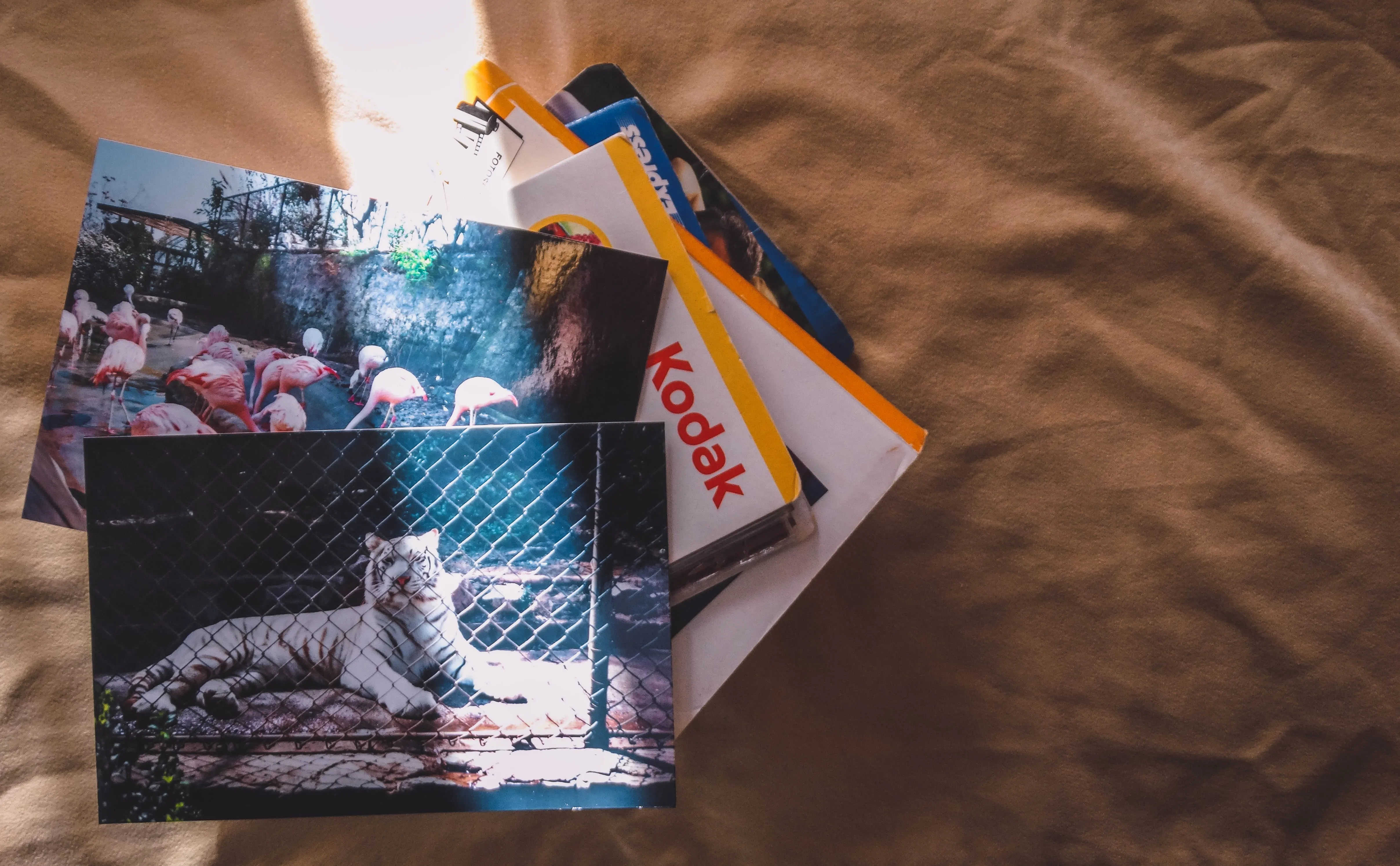
1. Gather Old Photos to Jog Your MemoryDig up old photos and make notes to help recall past events.
2. Break Your Life Into Personal ErasDivide your life into distinct periods or "chapters" to make the task more manageable.
3. Find Your ThemeChoose a central theme or message to guide your story and focus on relevant anecdotes.
4. Write a Little Bit Each DaySet aside a specific time each day to write, building a steady habit.
5. Find a Trusted Sounding BoardDiscuss your progress and ideas with a friend for accountability and feedback.
How StoryTerrace Can HelpIf writing alone feels overwhelming, consider working with a StoryTerrace ghostwriter to transform your memories into a well-crafted memoir.
Ready to start writing? Contact StoryTerrace or sign up for our newsletter for more tips.

Interview With a Writer: Serena Solomon
Award-winning journalist Serena Solomon shares her thoughts on writing for StoryTerrace and what it’s like to be on the receiving end of an interview...
Premium Writer
Serena Solomon began her adult life as a social worker helping homeless teens in her hometown of Sydney, Australia. During that time she learned three things: listen, listen, and listen. It is a lesson that served her well when she transitioned into journalism with a BA in Media.
After spending years as a reporter in the gritty world of New York City local news, Serena is now a freelance journalist and writer who regularly contributes to the New York Times as well as other publications such as the BBC and the Atlantic’s CityLab.

Serena sporting orange hair during a study abroad stint in Seattle.
ST: When did you first realise you wanted to be a writer?
I never thought to myself “I want to be a writer.” However, I did think at about the age of 14 that I wanted to be a journalist. I love the entire process of interviewing, researching, thinking, and writing.
ST: Whose biography would you most like to write?
I love the stories of “regular” people. I’ve interviewed a few celebrities and it tends to be boring; they are cautious and you’ve likely heard their story before. The story of a random person will always be surprising and often, their life story will reflect something greater in society — a cultural trend, a grand moment in history, etc.
ST: If you were writing a StoryTerrace book of your life, what would be the title and why?
I will tell you when I’m 90. Probably because I’ve written obituaries, I do have a morbid fascination with what the lead (the opening few sentences of a news article) of mine might be. That’s if I even get one! You need to be a little bit famous to get a decent obituary.
ST: What surprised you most about working for StoryTerrace?
When I sit down with an elderly client whose family bought them a biography package, often the client will say “I have no idea why the family wants this documented.” And then over the course of a few hours, this incredible story trickles out of them. People don’t seem to realise the incredible story they’ve lived. Hopefully, when they read their life in a StoryTerrace book, it changes their opinion.
ST: What is your idea of perfect happiness?
An endless Saturday morning.
ST: What is your biggest fear?
Writing on a white board or blackboard (showing my age there) in front of other people. I’m a good writer, but a terrible speller. Spell check is my best friend. Thank God I wasn’t a journalist in the typewriter era!
ST: Consider your life story. What's the name of the chapter you're in right now?
"Is There a Manual for This Kid?"
ST: What trait do you admire most in others?
Conscientiousness.
ST: If you hadn't become a writer, what career would you have right now?
Probably a producer of documentaries. It’s another way to tell stories and I am obsessed with stories.
ST: What is your most treasured possession?
Probably my engagement ring. I’m not really into possessions, but I can take a ring on an airplane so it is very portable. I think that comes with moving to different countries, because you have to get rid of a lot of things when you move or pay huge amounts in shipping.
ST: Who are your favorite writers?
Taffy Brodesser-Akner. Although she writes about other people, often her magazine features are really about herself, which proves to be the more interesting story.
ST: For someone that asks questions for a living, what is it like answering questions about yourself?
It’s terrible. I’m reminded how generous people are to answer the questions I ask of them. It makes you feel vulnerable.
Lightning Round!
ST: Salty or sweet?
Sweet.
ST: Introvert or extrovert?
Both.
ST: Truth or dare?
Truth.
ST: Vintage or modern?
Vintage.
ST: X-ray vision or time travel?
Time travel.
If you’d like to work with an accomplished writer like Serena on your own autobiography, get in touch to schedule a free consultation. You can also use our Writer Search Tool to find the perfect writer for your project today.

Meet Sue Stevens: An African Childhood
Life-long animal lover Sue Stevens spent her formative years in The Gambia, where she experienced a childhood like no other.
Sue Stevens’ girlhood is the stuff of children’s adventure stories. For the first 13 years of her life, Sue lived in The Gambia, insulated from the outside world by lush vegetation and a constant blanket of heat and humidity. In Sue’s memory, she was surrounded by people who had never spoken a sarcastic word in their lives, and she could experience perfect silence just by stepping out her door and into nature.
This stands in stark contrast to the life Sue — and the rest of us — experience today, as we’re surrounded by people hurrying from place to place, the rush of traffic, and all the noise of modern life. Though Sue has lived most of her life outside of Africa, her formative experiences here shaped the rest of her days.
It was Sue’s older sister Lyn’s idea to preserve the family memories of their time in Africa. One year she gave a writing pad to all of the siblings and asked them to write their memories of Africa, with the goal being to compare notes and trade the notebooks with each other.
"I’m not very good with computers," Sue laughs, explaining how difficult it was to write the story on her own — even though she very much wanted to. "I needed to bring someone in to help me so it could be the best it could be."

Sue Stevens’ StoryTerrace autobiography, Monkeys and Other Animals
To help get her memories of Africa down on paper, Sue worked with a StoryTerrace Senior Writer. "She was great," Sue says. "She made me feel like we were just two friends sitting on the sofa chatting."
The relaxed nature of the interviews with her ghostwriter helped Sue dive deeper into her memories and tell her story in the way she had always meant to. "What a brilliant idea," Sue says of StoryTerrace. "I couldn’t have done it without them."
Escape to a New Life

Sue seated on her mother’s lap, with siblings Chris and Lyn. The family often travelled by boat in The Gambia
Sue’s parents met during World War II, during which her mother sewed parachutes and her father served as a UK-based mechanic. Sue’s father was a gambler. "Dad would bet on anything," Sue recalls. "Mum would meet him on Friday nights to collect his pay packet from him, otherwise most of it would be spent down at the betting shop."
When Dad saw the posting for a mechanic’s job in The Gambia, his friends all joked that he should take it because it would finally take him somewhere where there was nothing to bet on. Though initially, he applied for a laugh, he leapt at the change when offered the position.
Soon the mechanic and his young family packed up and headed to Africa. Sue was born in the UK, but she was living in The Gambia by the time she was three months old.
Surrounded by Animals

Sue holding her beloved pet baby goat
Sue recalls Africa as a wonderful place for a child to grow up. She feels supremely lucky to have had a childhood with so much freedom — the kind of place where she could wander off for hours, barefoot, to find people and animals to play with.
Sue’s family took in all sorts of pets at their compound, including a black and white baby goat that Sue fell in love with. But when a leopard began skulking about the village and nabbing neighborhood dogs, Sue’s father fashioned a metal cage with a trap door that led to a box. One night he used Sue’s baby goat to bait the box, and eventually, the leopard was caught in the cage — giving Sue and her brother quite the fright! "It roared its head off at us and we ran as fast as we could," Sue remembers.
The baby goat was frightened too, but it was safe in its own half of the age where the leopard couldn’t reach it.

Sue’s orphaned serval cat
When Sue was young, the British government moved the family further downriver to Yundum. Now closer to the capital city, the family enjoyed more modern conveniences than they had in their first home.
They also welcomed a wide variety of animals in their new home, thanks in part to neighbors who took in orphaned and injured animals for rehabilitation. Sue was given a serval kitten to look after — an animal so beautiful that he was featured on picture postcards that tourists would send home from visits to The Gambia.


Top: the market at Serekunda and Bottom: the family house in Yundum
Monkeys were common in The Gambia, and Sue’s family raised several. One standout was Monk, a red patas monkey who went everywhere with Sue. "He was loyal, but he could also be very naughty. He saw Mum putting on her lipstick one day, and when she wasn’t looking he tried to put it on, too," Sue recalls. "He wasn’t very successful, and so he spread it all over the mirror instead. Mum wasn’t impressed because lipsticks were rare and very precious in The Gambia."

Sue’s mother with Monk, one of the family’s pet monkeys
Monk was also something of a guard monkey, baring his teeth at anyone who dared to approach Sue. He also had a sweet tooth and would quickly grab a whole handful of treats from the family tin if offered.
"Come back, tubab!"

When Sue’s family would leave to visit England, the locals would gather to wish them well
Sue’s father’s tours of duty were for three years at a time, with three months off to spend back in the UK. When Sue would visit her homeland she felt quite out of place, despite her best attempts at fitting in.
Each time they left, Sue remembers that local families would gather to say goodbye. The children would call out, "Come back, tubab!" Tubab was the word for a white person.
But when Sue turned 13, her parents decided it was time for her to get an education. Up to that point, she had really not had much formal schooling in Africa, instead learning her lessons out in nature.
"Going to school in England was a huge shock," Sue says. "I thought I was going to die." Eventually, she found her way to making friends and settling in to life in the much more crowded country of birth.
Though she only lived in Africa for 13 years of her long life, Sue’s incredible childhood has stayed with her all this time. "It was beyond amazing," she says of her time in The Gambia. "And it doesn’t seem like a long time ago at all."
Do you have precious childhood memories to share with your loved ones? StoryTerrace can help you organize and share your life story with your family and friends. To find out more about working with our professional writers, get in touch today or sign up to our newsletter for more real-life stories from our customers.
This document includes rich text formatting, images, and a video link embedded within the context to enhance the storytelling experience.

Interview With a Writer: Claudio Tapia
Claudio Tapia speaks three languages and is no stranger to creative work. Learn more about his experiences as a StoryTerrace biographer here.
Senior Writer
Claudio Tapia speaks Spanish and Dutch, but writes mainly in English. Born in Chile in 1966, Claudio fled the country with his family when he was young. In addition to his work as a ghostwriter, he is an all-around creative person whose professional titles include translator, copywriter, producer, and documentary filmmaker.

Claudio with StoryTerrace client Sik Liem in Kuala Lumpur
ST: Whose biography would you most like to write?
There is a shortage of female leads and narrators in my biographies so far. As in my novel, I would like to get inside a woman’s head and tell a story from that perspective.
ST: Why do you enjoy writing for StoryTerrace?
To write someone’s biography requires you to get to know your subject really well. The process brings you really close to the subject, and vice versa. The work really requires you to make new friendships that in any other context might not happen or might take years to develop. My clients and I tend to stay in touch after the project is long finished. That’s pretty special.
ST: If you were writing a StoryTerrace book of your life, what would be the title and why?
Packing Roots. I am a migrant. I escaped dictatorship in Chile as a child with my parents in the 1970s, and I was then raised in the Netherlands and in the United States. What I have discovered is that a person who has moved around as much as I have will often have a mental quirk of always keeping a suitcase by the door, so to speak — ready for a quick escape as soon as things become too complicated. The problem is, as you take root, as you grow. It will become increasingly hard to fit yourself into that little suitcase by the door every time, until one day you will see yourself forced to make a choice: either make yourself smaller (travel-size) or stay put and enjoy what you have.
ST: What is your idea of perfect happiness?
Sunny weather, a morning run, writing until two, grocery shopping, a one-hour siesta, and then cooking dinner for friends and loved ones.
ST: What’s something that people would be surprised to learn about you?
When I first moved to Amsterdam, I worked at a Dutch pancake house. That’s where I learned to make the best Dutch pancakes. I really did become pretty good at it. The secret’s in the batter!
ST: What trait do you admire most in others?
Real modesty.
ST: If you hadn’t become a writer, what career would you have right now?
Impossible to say. I have done so many different things in that process! A pancake baker, one would hope.
ST: What is your most treasured possession?
There was a period in my life that I consciously rid myself of stuff. I even lived in a camper for a year — not only because it was cheaper, but because I wanted to know what it would be like to wake up in a different place every morning and not have to worry about mortgages and electric bills. However, for decades now, I have traveled around with a little box of things that have sentimental value: a silver coin, a rock I found when I was nine years old, etc. With most of the little objects inside this box, there is not even a good story that would justify me holding on to it. It’s more about the commitment I make to do so that is so enjoyable. Very Shinto!
ST: Who are your favourite writers?
Henry Miller was huge in my earlier reading life. I am currently really enjoying Zadie Smith’s White Teeth.
ST: If you could have been born in any time or place, what would you choose?
Speaking of Henry Miller, the 1920s and 30s seems like an interesting period to me. The world was still mysterious and big, yet it would still qualify as modern times. And therefore recognisable.
ST: Who is your hero?
That’s easy: the person I am currently writing about. I won’t disclose who it is, but what I can say is that I am completely submerged in this person's life at the moment: the way he thinks, speaks, his likes and dislikes, flaws and virtues. His voice is literally bouncing around inside my head right now.
ST: What is your motto?
Expect to be surprised, every day — so don't forget to buckle up.
Lightning Round!
ST: Dogs or cats?
I really like both.
ST: Introvert or extrovert?
Introvert (most of the time).
ST: Morning lark or night owl?
Night owl.
ST: Paperback or e-reader?
Paper!
ST: City or country?
City.
If Claudio’s globetrotting lifestyle has inspired you to tell the story of your own journey, get in touch to schedule a free consultation. You can also use our Writer Search Tool to find the perfect writer for your project today.
Now Is The Time To Share Your Story
StoryTerrace is your book production partner, including all ancillary activities from high-quality professional writing and editing to design, printing and publishing.


